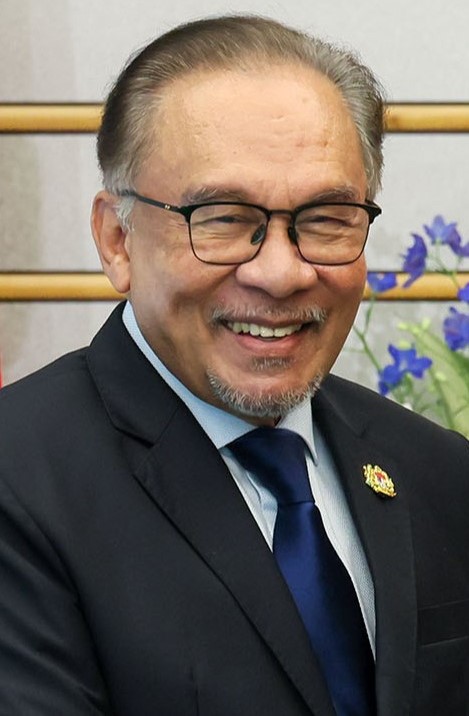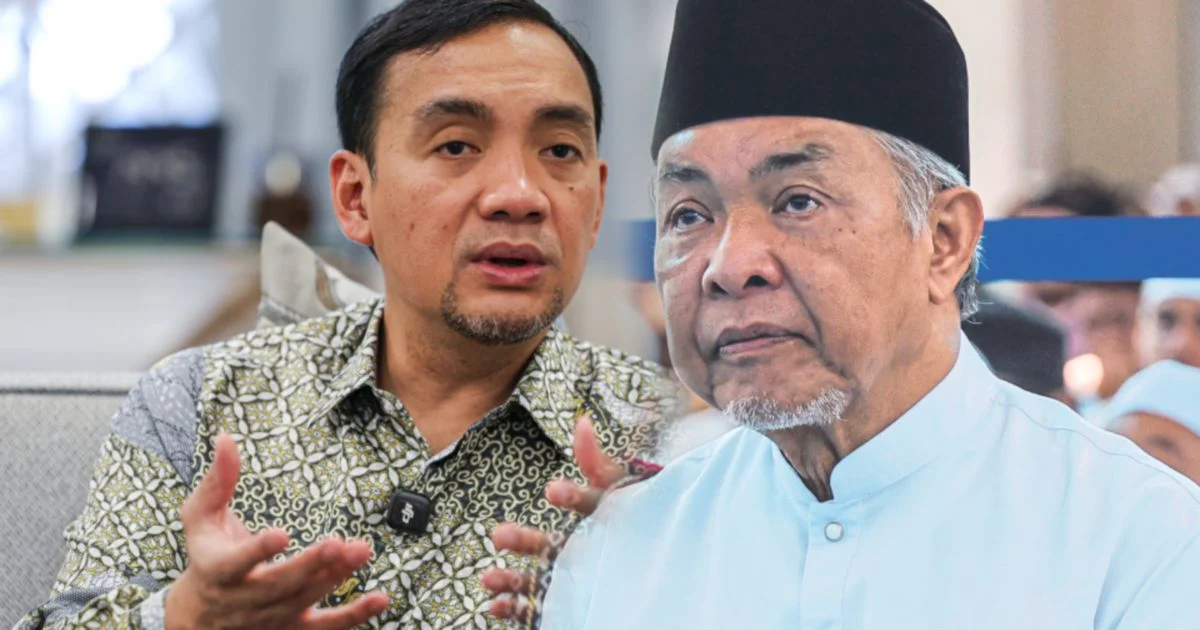
Deputy Prime Minister Datuk Seri Zahid Hamzah has moved to quash mounting speculation around the political standing of caretaker Johor Menteri Besar Datuk Onn Hafiz Ghazi, explicitly stating that no formal instructions have been issued to prevent the state leader from accessing Federal Land Development Authority settlements across Johor.
The clarification arrives at a particularly sensitive moment in Johor's political calendar, as the state heads toward elections that will determine the composition of the next state government. Felda settlements represent a crucial electoral constituency in Johor, with thousands of smallholder farmers and their families holding significant collective voting power. These communities have historically played a pivotal role in determining electoral outcomes across multiple election cycles, making access to these areas and the ability to campaign within them a strategically important matter for any political figure seeking or retaining power.
Onn Hafiz, who continues to serve as caretaker Menteri Besar while the state awaits fresh elections, has maintained a visible presence across Johor despite the interim nature of his administrative position. The timing of Zahid's statement suggests that unconfirmed reports or rumours had begun circulating regarding potential restrictions on the caretaker leader's movements. Such speculation could have undermined public confidence in the neutrality of the caretaking administration, a principle considered essential to maintaining institutional credibility during transitional periods between elections.
The denial carries weight coming from Zahid, who holds significant influence within the federal government and the ruling Barisan Nasional coalition. His intervention in clarifying the matter indicates that senior leadership has taken note of the circulating reports and sought to address them directly. The explicit nature of the denial—that no instructions whatsoever have been issued—represents an unusually emphatic rebuttal, suggesting the rumours had gained enough traction to warrant top-level attention.
Access to Felda areas carries outsized importance in Malaysian state politics, particularly in Johor where Felda settlements contain concentrated voter populations. A Menteri Besar unable to freely visit and engage with settlers would face practical impediments to conducting caretaker duties and explaining government decisions to affected communities. For Zahid to assure that Onn Hafiz maintains unrestricted access signals commitment to preserving the standard functioning of the caretaker administration.
The declaration also matters in the broader context of coalition politics. Onn Hafiz, a Umno politician, has led Johor's government under Barisan Nasional, which Zahid himself represents at the federal level. Any suggestion that a fellow coalition member faced arbitrary restrictions from visiting population centres would raise questions about the coherence and fairness of the ruling coalition's internal operations. Zahid's statement therefore serves to reassure party members and coalition partners that procedural norms remain intact.
Johor's electoral dynamics continue to evolve, with various political groupings positioning themselves ahead of the state elections. The presence and visibility of the caretaker Menteri Besar across all regions, including Felda settlements, contributes to the sense of political continuity during the interim period. Any diminishment of this visibility could alter public perception of who holds effective control over state administration and which political figures command actual authority on the ground.
The Felda constituencies themselves represent a complex political constituency. Smallholder farmers and their communities have demonstrated capacity to shift their voting patterns based on performance of government agencies responsible for agricultural support, commodity prices, and rural development. A caretaker Menteri Besar's ability to address grievances and maintain dialogue with Felda communities becomes particularly relevant when electoral calculations are underway and political parties assess their competitive positions.
Zahid's intervention appears calibrated to prevent further erosion of confidence in the caretaker administration's independence. In previous Malaysian electoral cycles, questions about whether interim governments operated fairly or showed preference for particular political outcomes have generated controversy and criticism. By immediately addressing the Felda access question, federal leadership has sought to foreclose such concerns before they metastasize into broader accusations of bias in the caretaker period.
Looking forward, the clarification establishes an expected baseline for how Onn Hafiz's caretaker tenure will proceed. His unrestricted access to Felda areas enables the administrative machinery to function across the entire state geography, ensuring that rural communities maintaining significant landholdings within Felda schemes retain normal channels of communication with state government. This normalcy becomes particularly important given that elections in Johor will determine which coalition or political force assumes power next, making the interim period's sense of fair play consequential for eventual electoral legitimacy.