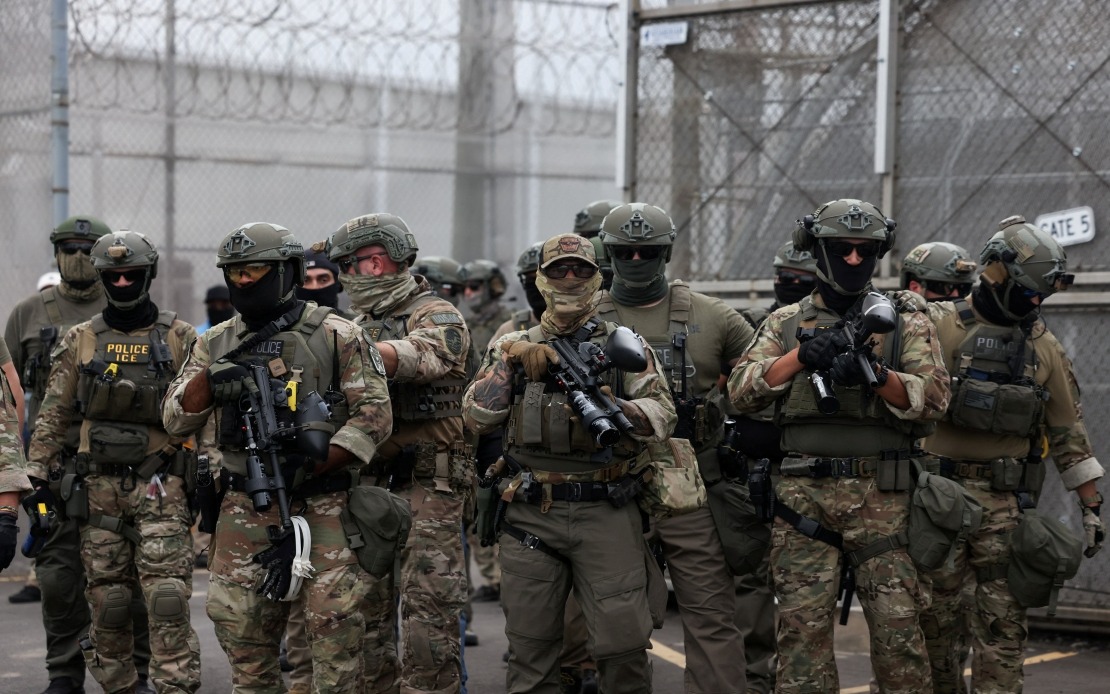
A federal judge in California has issued a nationwide order preventing United States Immigration and Customs Enforcement officers from conducting arrests within immigration courthouses, delivering a significant legal setback to a cornerstone enforcement strategy of President Donald Trump's second-term immigration agenda. The ruling addresses practices that have become increasingly common since the Trump administration assumed office, marking a forceful judicial intervention into one of the more contentious aspects of recent US immigration policy.
Immigration courtrooms across America have become contested battlegrounds over enforcement priorities and constitutional protections. These specialized courts exist to adjudicate cases involving migrants who face potential deportation proceedings, and they represent critical venues where due process safeguards are meant to be observed. The controversy centres on ICE's intensified use of courthouse arrests, a tactic that places enforcement activities directly within spaces designated for legal proceedings.
The practice of arresting migrants at courthouses presents a fundamental tension in immigration administration. When ICE officers conduct operations in these venues, they effectively create an environment where migrants attending hearings risk apprehension regardless of the status of their cases. This has created a chilling effect: migrants increasingly avoid attending their own legal proceedings out of fear that their appearance will result in detention. The judicial concern reflects longstanding arguments from civil liberties advocates and immigration attorneys that such enforcement methods fundamentally compromise the ability of individuals to mount legal defences.
ICE escalated courthouse arrest operations significantly during the transition into Trump's second term, implementing revised guidelines that reframed such enforcement as a strategic priority. The agency's new approach explicitly emphasized the administrative and operational advantages of targeting migrants within courthouse settings, calculating that the controlled environment and predictable presence of target individuals made such locations operationally efficient for enforcement purposes. This explicit reorientation marked a departure from previous informal practices and represented an intentional policy shift by the administration.
The federal judge's reasoning in blocking the practice focused on procedural deficiencies in how the ICE policy was formulated and implemented. The court determined that the agency had failed to adequately engage with substantive concerns about negative consequences flowing from the new guidelines. Specifically, the judge found that ICE had not provided a sufficiently reasoned explanation for abandoning prior practice or addressing documented harms such as discouragement of court attendance and obstruction of legal proceedings. This analytical gap in the agency's decision-making rendered the policy vulnerable to judicial challenge under administrative law standards.
For migrants and immigration communities within the United States, the ruling provides temporary but meaningful protection. Individuals now have greater confidence that their attendance at immigration hearings will not automatically trigger detention. This restoration of basic court access protections represents an important safeguard for due process rights, ensuring that people can present their legal cases without simultaneously exposing themselves to immediate arrest. The decision acknowledges that effective legal systems require participants to engage in proceedings without fear of coercion or retaliation based on that very participation.
The broader implications extend to questions about enforcement discretion and judicial oversight of executive immigration authority. While presidents retain substantial power to set immigration enforcement priorities, federal courts have increasingly insisted that such policies must comply with statutory requirements, constitutional protections, and basic administrative law principles. The California ruling suggests that even during a period of heightened enforcement, courts will scrutinize whether agencies have properly justified departures from previous practice and whether policies unduly interfere with functioning legal institutions.
For Southeast Asian observers and Malaysian policymakers, this American legal development offers instructive perspectives on how judicial systems can constrain executive power in immigration enforcement. Malaysia and other regional nations manage substantial migrant populations and immigration enforcement operations, making the balance between effective border management and protection of legal processes a relevant consideration. The US decision illustrates how courts can mandate that enforcement agencies maintain procedural rigor and demonstrate rational basis for policy changes, rather than allowing security concerns alone to override institutional and constitutional safeguards.
The ruling also reflects deeper tensions within American immigration politics between those who prioritize enforcement and those who emphasize rights protection. Trump's administration views aggressive enforcement as necessary to effectuate immigration restrictions and control over entry and residence. Critics, including numerous courts, argue that enforcement intensity cannot justify dismantling the procedural architecture that enables people to contest government action. This judgment by the California federal court represents the judiciary reasserting structural constraints on executive power.
The nationwide scope of the order means that ICE officers across all fifty states and territorial jurisdictions must cease courthouse arrest operations. This creates uniform restrictions on enforcement activity and prevents the emergence of patchwork compliance across different districts and regions. The breadth of the injunction underscores the judge's determination that the constitutional and procedural defects underlying the policy are systemic rather than isolated to particular locations or circumstances.
How the Trump administration responds will shape the immediate future of this enforcement question. The government may seek to appeal, arguing that the judge misinterpreted agency authority or overstepped judicial bounds. Alternatively, ICE could attempt to reformulate its courthouse arrest policy in ways designed to address the judge's specific concerns about inadequate reasoning and impact analysis. Such reformulation would require the agency to document its rationale more thoroughly and demonstrate consideration of documented harms, a significantly higher evidentiary bar than the original policy satisfied.
The decision carries implications beyond immigration enforcement narrowly conceived. It reinforces judicial willingness to review executive immigration policies and insist on administrative regularity and constitutional compliance. For immigrants and immigration attorneys, it restores confidence that courtrooms remain venues where legal process has meaning and protection. As immigration enforcement remains a central policy domain globally, the American court's insistence on procedural integrity and judicial oversight provides a notable counterweight to enforcement expansionism.