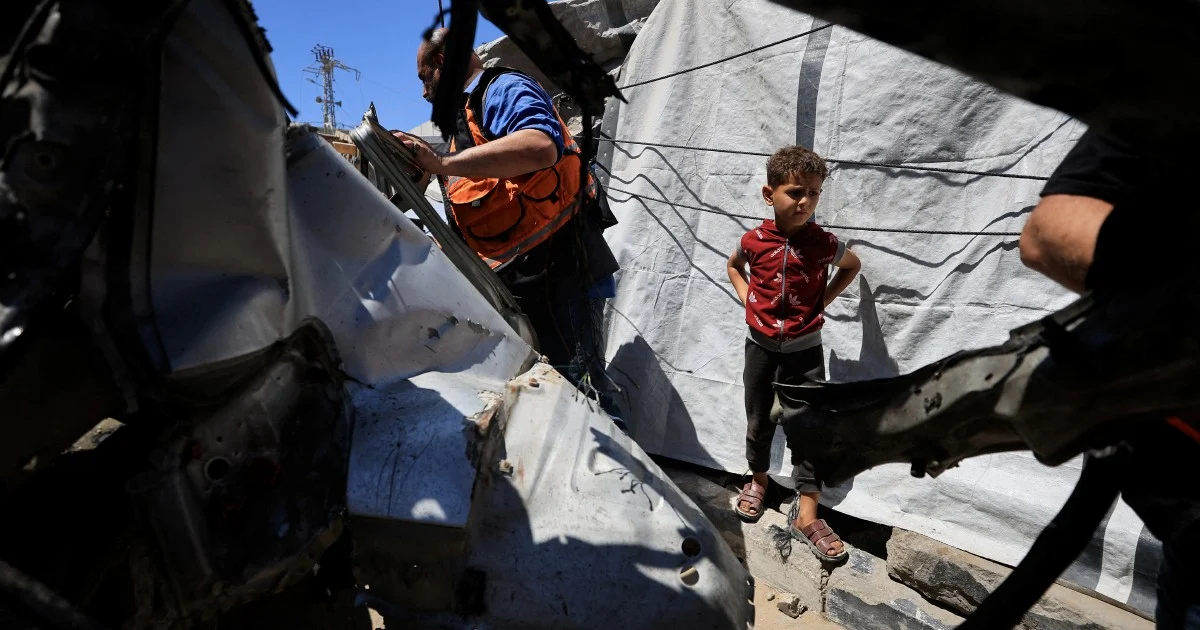
A United Nations investigative panel has alleged that Israeli military operations in Gaza involve the deliberate targeting of Palestinian children, marking what the body describes as a defining characteristic of genocide occurring in the territory. The damaging conclusions, released on Tuesday in Geneva, have drawn swift condemnation from Israel, which disputes the characterisations entirely.
The investigation, conducted by UN human rights experts, presents a stark accusation that extends beyond accidental casualties of conflict to suggest systematic intent. This framing represents a significant escalation in international scrutiny of military conduct during the ongoing Gaza conflict, with implications that reach far beyond the immediate humanitarian crisis unfolding in the Palestinian territory.
For Malaysian observers monitoring regional security and international legal precedent, the UN findings carry particular weight. Malaysia has consistently advocated for Palestinian rights within multilateral forums and maintains deep cultural and religious ties to the Palestinian cause. The allegations of deliberate targeting of children invoke protections enshrined in international humanitarian law—conventions that Malaysia itself upholds as a signatory to various human rights treaties.
The concept of genocide under international law requires demonstrating intent to destroy, in whole or in part, a national, ethnic, racial, or religious group. Investigators' characterisation of child targeting as integral to this alleged genocide suggests they believe evidence demonstrates not merely collateral harm but purposeful action. This distinction carries enormous legal and moral weight in international justice mechanisms.
The timing of the report reflects mounting global concern over the conflict's trajectory and civilian toll. Multiple humanitarian organisations operating across Gaza have documented extensive child casualties and displacement, with aid agencies warning of severe malnutrition and disease risks among younger populations unable to access adequate medical care and nutrition.
Israel's rejection of the allegations is categorical. The country maintains that its military operations target militant infrastructure and combatants, and that civilian casualties, including children, result from the placement of weapons systems and command centres within populated areas by Palestinian armed groups. This fundamental disagreement over military necessity and proportionality sits at the heart of the dispute.
From a Southeast Asian perspective, the UN investigation underscores how regional powers increasingly find themselves drawn into global debates on warfare ethics and international accountability. The findings will likely feature prominently in upcoming discussions at the United Nations General Assembly and other multilateral bodies where Malaysia and other ASEAN members participate.
The investigators' conclusions may influence ongoing discussions about Israel's international standing and potential mechanisms for accountability. Several countries have signalled openness to supporting cases before the International Criminal Court, though the court's jurisdiction and enforcement mechanisms remain contested, particularly regarding states not party to its founding treaty.
The report also highlights broader questions about evidence standards in conflict zones. Investigators must work with limited access to military records and often rely on testimony from affected populations, creating inherent methodological challenges. Israel's refusal to cooperate with the investigation has further constrained the panel's capacity to examine claims comprehensively.
For civil society advocates across the region, the UN findings validate concerns they have raised through campaigns and statements. Malaysian human rights organisations have amplified Palestinian voices and documented concerns about civilian protections, viewing the international investigation as vindication of documentation efforts conducted by local and international monitors.
The implications for international law are substantial. If the allegations withstand scrutiny in legal proceedings, they could establish precedent regarding state responsibility for targeting protected populations during armed conflict. This precedent could theoretically apply to any armed actor, not solely Israel, making the case consequential for how future conflicts are adjudicated.
Moving forward, the investigation's impact may depend on whether findings are elevated to bodies with enforcement capacity, such as the International Criminal Court or UN Security Council. However, Security Council action faces the practical obstacle of permanent member vetoes, a structural limitation that has frequently stalled accountability mechanisms in other conflicts.
The report represents a critical moment in international oversight of the Gaza conflict, crystallising allegations that transcend technical military disputes into questions of intentional harm toward children. Malaysia and other nations will likely reference these findings in forthcoming diplomatic forums as discussions continue regarding humanitarian access, civilian protection, and pathways toward accountability and peace.