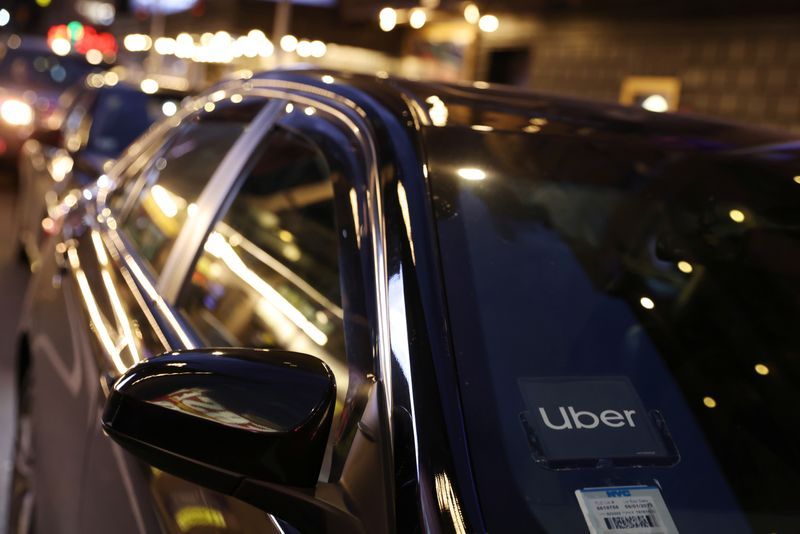
A significant shareholder challenge to Uber Technologies has emerged as investors filed a derivative lawsuit in San Francisco federal court on Monday, accusing the ride-sharing platform's board of wilfully disregarding compliance obligations and safety protocols. The Police and Fire Retirement System of the City of Detroit spearheads the legal action, which names Chief Executive Dara Khosrowshahi and other board members as defendants. The lawsuit centers on allegations that company leadership persistently ignored internal and external signals about sexual assault and harassment perpetrated by drivers, while simultaneously failing to address discriminatory practices against disabled passengers and engaging in misleading billing and cancellation tactics.
The complaint characterizes Uber as "a serial compliance offender" whose corporate reputation has suffered irreparable damage through sustained negative media coverage linked to these systemic failures. Court filings detail how the board received repeated warnings—from both its own monitoring mechanisms and external sources—regarding inadequate safeguards against driver misconduct. Rather than implementing meaningful remedial measures, the lawsuit suggests, decision-makers permitted the company to continue operating with compromised safety standards, ultimately resulting in a cascade of litigation that has become a significant liability for shareholders.
The scale of sexual misconduct allegations against Uber's driver network is staggering by any measure. As of June 1, the San Francisco court was overseeing 3,571 active lawsuits accusing drivers of sexual assault or harassment. This extraordinary volume underscores the lawsuit's central argument that the board's passive approach to known safety risks constituted a breach of fiduciary duty. For Malaysian and Southeast Asian readers familiar with the explosive growth of ride-sharing services throughout the region, Uber's struggles with driver accountability serve as a cautionary tale about the operational and reputational consequences of prioritizing rapid expansion over systematic safety protocols.
Beyond sexual misconduct concerns, federal regulators have also pursued enforcement actions against Uber for discriminatory treatment of disabled passengers. The U.S. government filed lawsuits in the preceding year alleging that Uber routinely denied service to individuals with service animals or those using stowable wheelchairs—fundamental violations of disability rights protections. Shareholders argue that the board's inattention to these regulatory landmines reflected a broader pattern of accepting compliance risk as an acceptable cost of business. The same negligence that enabled driver misconduct to flourish unchecked also created an environment where discriminatory billing and cancellation practices could persist unaddressed.
Remarkably, internal research available to Uber's board painted a damning picture of the company's safety reputation among its own user base. Fewer than 40% of platform users reported confidence that Uber takes passenger safety seriously—a metric that should have triggered urgent remedial action. This significant trust deficit suggests that the company's brand vulnerability extends well beyond legal liability to encompass fundamental questions about whether consumers view Uber as a responsible actor in the mobility ecosystem. For investors, such erosion of user confidence translates directly into competitive disadvantage and diminished long-term profitability.
The lawsuit acknowledges a distinction in leadership styles between current Chief Executive Khosrowshahi and his predecessor. During nearly nine years in his role, Khosrowshahi has demonstrated somewhat less aggression in pushing regulatory boundaries than the company's founding leadership. However, shareholders contend that this modest improvement in tone has not translated into substantive compliance enhancements. The board, they argue, permitted the company to continue underfunding safety infrastructure and risk-mitigation systems even as external pressures mounted. This suggests that corporate culture and institutional priorities, rather than individual executive personalities, represent the fundamental problem.
Stock market performance has reflected growing investor anxiety about Uber's legal and regulatory exposure. Share prices have declined more than 25% since reaching a peak on September 22 of the previous year, a significant erosion of shareholder value that provides financial motivation for the pension fund's legal action. The lawsuit seeks to compel directors to personally reimburse Uber for damages stemming from their alleged breaches of fiduciary duty and violations of federal securities law—a remedy that would impose direct financial consequences on board members for their governance failures.
The timing of this shareholder action coincides with heightened tension between Uber, its competitor Lyft, and municipal regulators. Earlier in June, both companies initiated legal proceedings against New York City to challenge a new municipal ordinance they characterize as an impediment to their ability to remove drivers who pose safety threats to passengers. This simultaneous lawsuit against the board and the defensive regulatory battle underscore the complex pressures facing Uber's leadership—defending against claims of inadequate safety measures while simultaneously resisting government restrictions on driver termination procedures. The contradiction between these positions is not lost on observers or plaintiffs' counsel.
For the Southeast Asian ride-sharing sector, Uber's governance crisis offers important lessons about the relationship between growth velocity and institutional maturity. Companies expanding rapidly through the region—whether Uber itself in markets like Malaysia, or domestic competitors attempting to scale—face mounting pressure to demonstrate robust safety architectures and compliance systems. Regulatory authorities from Singapore to Indonesia have increasingly scrutinized driver vetting, background checks, and passenger protection mechanisms. Uber's experience suggests that boards which treat safety as a cost center rather than a competitive necessity risk both legal jeopardy and market credibility.
The derivative lawsuit represents a potential turning point in how institutional investors hold ride-sharing companies accountable for governance decisions affecting user safety and regulatory compliance. Shareholders are increasingly willing to pursue direct legal remedies against boards they believe have abdicated fiduciary responsibilities, rather than accepting management assurances of future improvement. This trend may accelerate pressure on Uber and similar platforms operating in Malaysia and across Southeast Asia to allocate substantially greater resources toward compliance infrastructure, driver accountability systems, and passenger safety protocols.
Uber has not yet publicly responded to the shareholder complaint or confirmed its approach to defending against allegations. The company's silence regarding the lawsuit contrasts with its aggressive public positioning regarding the New York City regulatory challenge. How the ride-sharing platform's leadership addresses the underlying governance issues—versus attempting to weather the legal action through procedural defense—will likely influence both settlement outcomes and the company's capacity to rehabilitate its safety reputation among passengers and regulators throughout the region.