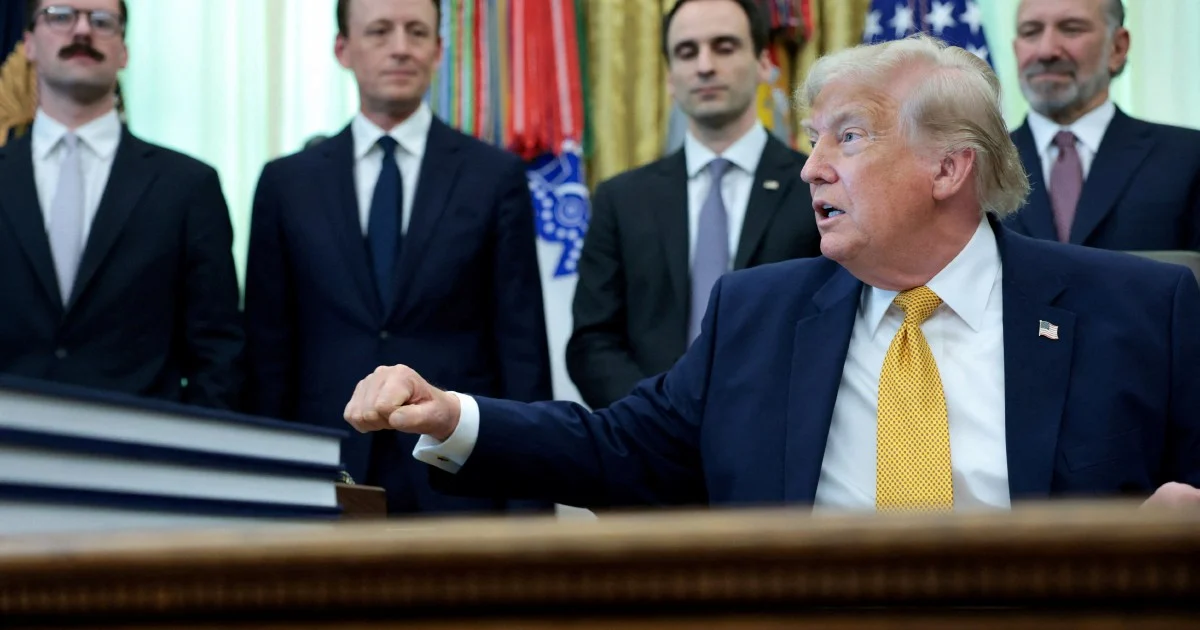
Federal law enforcement has intensified its investigation into a suspected plot targeting the White House, securing two additional arrests this week as part of an ongoing operation focused on alleged attacks planned during a mixed martial arts gathering. The US Justice Department made the announcement regarding the expanded number of suspects connected to what officials describe as a coordinated effort to breach security at the nation's most heavily guarded residence while President Donald Trump presided over a UFC cage fight on the property's grounds.
The timing of the alleged scheme underscores emerging security vulnerabilities when the White House hosts high-profile events that draw crowds beyond the typical perimeter of protected areas. Intelligence officials have grown increasingly concerned about the potential for exploitation when major entertainment events attract widespread attention and media coverage, creating circumstances that could theoretically provide cover for unauthorized individuals to approach restricted zones.
The investigation represents a significant escalation in federal law enforcement efforts to counter what prosecutors have characterized as a serious and imminent threat. The involvement of multiple arrests suggests a coordinated network rather than isolated actors, raising questions about how such a conspiracy managed to develop without being detected at earlier stages. The expanding number of suspects indicates investigators continue uncovering connections between individuals who may have played different roles in the purported scheme.
Details regarding the specific charges against the newly arrested individuals remain limited, though federal prosecutors typically invoke statutes related to conspiracy, threats against government facilities, and weapons violations in similar cases. The Justice Department's announcement methodology—releasing information incrementally as arrests occur—reflects standard prosecutorial practice of maintaining operational security while continuing to identify and apprehend other potentially involved parties.
From a broader security perspective, the incident raises important questions about event planning at the White House during periods of heightened political tension. Mixed martial arts events, particularly those hosted by sitting presidents, generate substantial public interest and media attention, fundamentally altering the security calculus for federal protective services. The Secret Service and other agencies responsible for presidential security must balance accessibility and public appearances against the realities of emerging threat landscapes.
The alleged plot occurs within a context of intensified concerns about political violence in the United States. Law enforcement agencies have documented increasing numbers of threats against government officials and facilities over recent years, reflecting deeper societal polarization. The specific focus on disrupting a high-profile White House event suggests perpetrators may have sought to maximize impact and symbolic significance rather than pursue narrower tactical objectives.
For Malaysian observers monitoring international security trends, the incident illustrates how even the most secure government installations face evolving challenges when hosting public events. The case demonstrates that sophisticated planning by determined actors, even with limited resources, can theoretically identify gaps in security architecture. This dynamic carries implications for other nations hosting significant state functions or protecting high-level officials during large-scale public gatherings.
The multi-suspect nature of the investigation indicates federal authorities uncovered what they assessed as genuine organizational capacity rather than mere talk or aspirational planning. The distinction matters considerably—prosecutors must establish not merely intent but concrete steps taken toward executing the alleged conspiracy, including acquiring materials, conducting surveillance, or establishing communication networks among participants.
Interagency coordination appears evident from the Justice Department's public handling of the case. Multiple federal entities likely contributed intelligence, surveillance capabilities, and investigative resources. The FBI's domestic counterterrorism division would typically take the lead, coordinated with Secret Service personnel responsible for presidential protection and potentially other specialized units focused on violent extremism.
The incident underscores broader tensions between maintaining the presidency as an accessible national institution and protecting it against sophisticated threats. Previous administrations have grappled with similar challenges when seeking to host public events or appear before crowds. The operational and symbolic importance of the White House as both a functioning government center and a public monument creates inherent security complications absent from other protected installations.
Moving forward, the incident will likely influence how future administrations approach large-scale events at the presidential residence. Security protocols may be reassessed, perimeter management strategies refined, and coordination procedures between agencies further strengthened. Each major incident generates institutional learning within federal protective services, though threat actors continuously adapt their tactics in response.
The investigation's conclusion remains pending, and additional arrests may still occur as prosecutors complete their evidence gathering and interviews. The case will proceed through federal court systems, where prosecutors must demonstrate their allegations beyond reasonable doubt. The ultimate outcomes—whether convictions, plea agreements, or acquittals—will shape both legal precedent and operational practices for similar investigations in future years.