%22%2F%3E%3C%2Fpattern%3E%3C%2Fdefs%3E%3Crect%20width%3D%22100%25%22%20height%3D%22100%25%22%20fill%3D%22url(%23ph2y81qg)%22%2F%3E%3Crect%20width%3D%22100%25%22%20height%3D%22100%25%22%20fill%3D%22url(%23ph2y81qp)%22%2F%3E%3Ctext%20x%3D%2250%25%22%20y%3D%2250%25%22%20text-anchor%3D%22middle%22%20dominant-baseline%3D%22central%22%20fill%3D%22rgba(255%2C255%2C255%2C0.95)%22%20font-family%3D%22Georgia%2C%20'Times%20New%20Roman'%2C%20serif%22%20font-weight%3D%22700%22%20font-size%3D%22320%22%20letter-spacing%3D%22-0.02em%22%3ETV3%3C%2Ftext%3E%3C%2Fsvg%3E)
Television station TV3 has secured back-to-back victories in the HAWANA-DBP Pantun Festival, cementing its position as a formidable force in the traditional Malay poetry competition. The championship triumph, announced during the National Journalists' Day 2026 ceremony in Butterworth, saw the broadcaster edge out the Malaysian National News Agency (Bernama) to claim the coveted title for a second consecutive year. The contest drew eight participating teams representing major media organisations across the country, underscoring the growing prominence of pantun as a cultural marker within Malaysia's journalistic community.
TV3's winning ensemble featured Mohammad Nor Affiq Norshamsudin, Mohd Safwan Sawi, Azrin Md Isa, and Mohamed Hirsham Azmi, a combination that proved effective in navigating the intricate rhythms and metaphorical requirements of the traditional four-line verse form. The composition and delivery of pantun demands both linguistic precision and creative spontaneity, qualities that the television network's team demonstrated to the satisfaction of the adjudicating panel. Bernama's second-place finish represented a respectable showing from Malaysia's principal news agency, positioning the organisation as a consistent competitor in this emerging media sector rivalry.
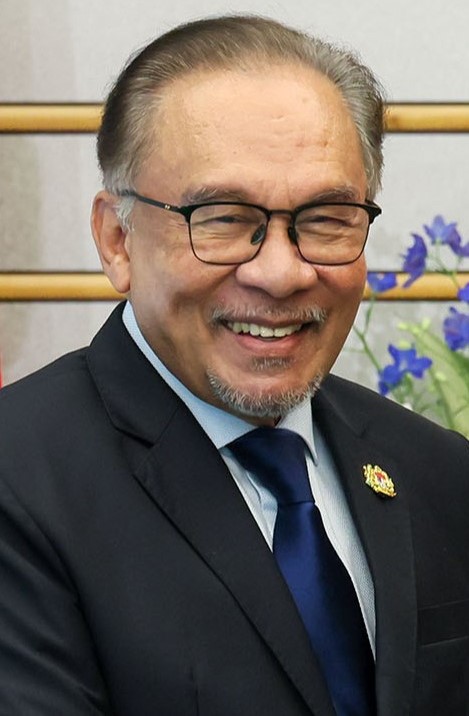
The awards ceremony itself garnered significant national attention, with Prime Minister Datuk Seri Anwar Ibrahim personally presenting prizes to the winning teams. This high-level political endorsement underscores the Malaysian government's commitment to preserving and promoting traditional cultural forms within contemporary institutional settings. The presence of Penang Chief Minister Chow Kon Yeow, Communications Minister Datuk Fahmi Fadzil, and Bernama chairman Datuk Seri Wong Chun Wai reflected the official importance attached to the celebration, transforming what might otherwise be a routine sporting event into a platform for demonstrating governmental support for cultural continuity.
Financially, TV3's victory translated into tangible rewards, with the network receiving RM3,000 in prize money alongside a trophy and participation certificates. Bernama, securing the runner-up position, received RM2,000 in cash along with similar certificates and trophy recognition. The monetary incentives, while modest by entertainment industry standards, represent meaningful acknowledgment of the teams' efforts and creative commitment. Beyond the headline winners, Radio Televisyen Malaysia (RTM) claimed third place honours, with Berita Harian newspapers finishing fourth among the eight competing organisations, demonstrating the breadth of media sector participation in the festival.
Individual recognition within the competition extended beyond team standings. Muhammad Syukri Khairulannuar, representing Bernama, earned the distinction of Best Pantun Performer, validating his personal artistry despite his organisation's overall second-place finish. This category award reflects the festival's acknowledgment that excellence in pantun composition and delivery transcends corporate affiliation. Separately, the Department of Islamic Development Malaysia (JAKIM) team won the Best Attire Award, highlighting the festival's attention to presentation standards and the cultural aesthetics surrounding traditional verse performance.
The competition itself occurred earlier in May, when thirty-two participants gathered at Panggung Sari, Kompleks Kraf Kuala Lumpur to compete in preliminaries that would determine the finalists presented during the main HAWANA 2026 ceremony. This timing positioned the pantun festival as a curtain-raiser event for the broader National Journalists' Day celebrations, building momentum toward the main gathering scheduled in Butterworth. The broader HAWANA 2026 initiative operates under the thematic banner "Media Integrity Strengthens Credibility," reflecting the Malaysian government's emphasis on professional standards within the journalism sector amid evolving information landscapes.
TV3's team leader Mohammad Nor Affiq offered insight into the psychological dimensions of defending a championship title, acknowledging the substantial pressure accompanying expectations to repeat previous success. He credited his mentor and TV3 broadcaster Ahmad Fedtri Yahya as instrumental in steeling his resolve to accept leadership responsibility for the competitive team. Affiq's reflections demonstrate how cultural competitions within institutional contexts often mirror broader workplace dynamics, where mentorship relationships and collegial encouragement facilitate achievement. His statement expressing gratitude to teammates, family members, and supporters illustrated the collaborative ecosystem supporting competitive success in pantun festivals.
Affiq's articulation of gratitude—particularly his invocation of "Alhamdulillah" (praise be to God)—reflects the deep spiritual and cultural dimensions embedded within pantun as a poetic form. The festival's incorporation of Islamic aesthetic values, evident through JAKIM's participation and the religious language employed by competitors, demonstrates how traditional Malay-Muslim cultural practices remain vibrant within modern institutional contexts. This integration suggests that Malaysia's media organisations view pantun not merely as entertainment or cultural performance, but as expressions of national and religious identity worthy of institutional investment and celebration.
Bernama's response to runner-up status revealed a commitment to improvement rather than resignation to defeat. Team leader Muhammad Syukri articulated a strategic approach to future participation, promising comprehensive review of performance weaknesses and enhanced preparation methodologies. His statement—"The Bernama team will review every weakness and strengthen our preparations to ensure that our goal of emerging champions can be realised"—suggests that the festival has catalysed genuine competitive motivation within Malaysia's premier news agency. This competitive dynamic may ultimately benefit the broader media sector by encouraging organisations to develop deeper engagement with traditional cultural forms and foster internal talent development programs around pantun composition and performance.
The HAWANA initiative itself operates under ministerial coordination through the Ministry of Communications, with Bernama serving as the implementing agency responsible for festival logistics and execution. This structural arrangement positions the national news agency as custodian not merely of journalistic practice but of cultural programming that binds Malaysia's media community together. HAWANA 2026's overarching theme addressing media integrity resonates with global concerns about information authenticity and journalistic credibility, suggesting that Malaysian authorities view cultural engagement and professional development as complementary strategies for strengthening media sector legitimacy.
The gathering in Butterworth represents Malaysia's largest assembly of media professionals, according to official characterisations, making the HAWANA event significant beyond its immediate competitive dimensions. The venue selection—PICCA Convention Centre at Butterworth Arena in Penang—reflects deliberate geographic dispersal of major national events beyond Kuala Lumpur, supporting regional economic engagement and demonstrating federal commitment to Peninsular Malaysia's secondary urban centres. For Malaysian media practitioners, HAWANA provides professional recognition ceremonies that acknowledge journalistic contributions to nation-building, positioning media workers within broader narratives of national development and institutional service.
TV3's championship retention positions the broadcaster advantageously for the next festival edition, though Bernama's competitive improvements and sustained participation suggest the competition will intensify. The emergence of pantun festivals within Malaysia's media sector reflects broader cultural revitalisation trends, where institutions increasingly recognise traditional artistic forms as valuable repositories of national identity and professional identity. For Southeast Asian observers, Malaysia's integration of traditional poetry competitions into modern institutional frameworks demonstrates how regional societies navigate cultural preservation amid rapid media transformation and globalisation pressures.