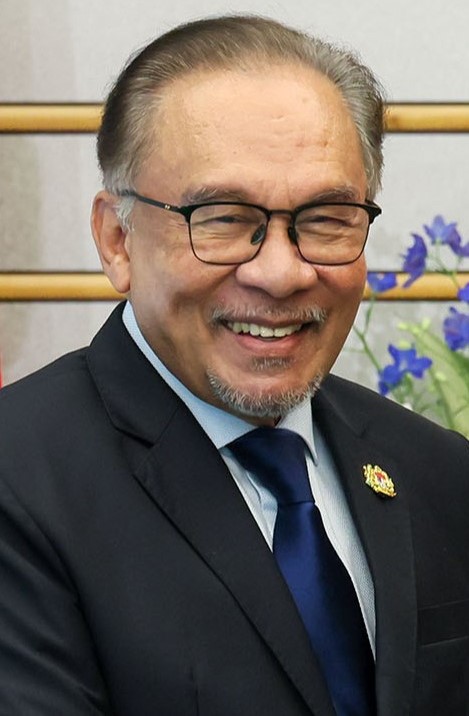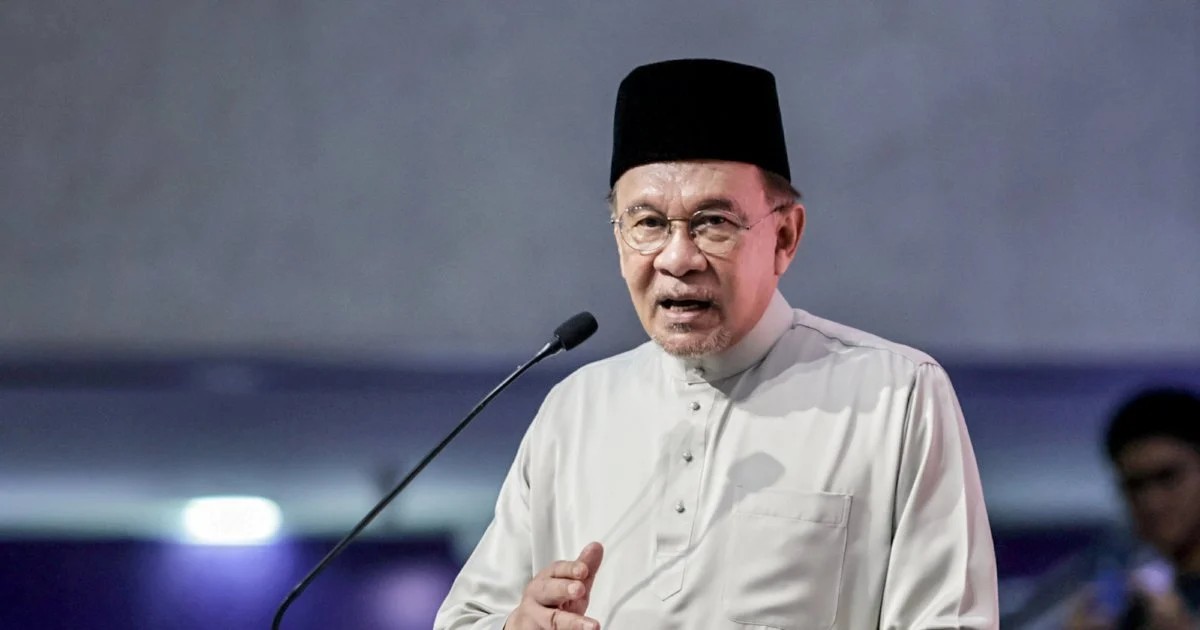
Tunku Ismail Sultan Ibrahim, the Tunku Mahkota of Johor, received Prime Minister Datuk Seri Anwar Ibrahim during an official audience in Kuala Lumpur today, with both parties characterising the engagement as cordial and harmonious. The meeting underscores the continued engagement between the federal government and the royal institution of Johor, one of Malaysia's most politically significant states.
As the heir to the Johor throne, Tunku Ismail occupies a distinctive position within Malaysia's constitutional framework. His role extends beyond ceremonial responsibilities, positioning him as an influential figure in national affairs and a key stakeholder in dialogues concerning federal-state relations. The audience with the Prime Minister reflects the importance both parties place on maintaining open communication channels at the highest levels of governance.
Johor's political significance cannot be understated within Malaysia's federal system. The state has historically played a central role in shaping national politics, and the relationship between its royal institution and the federal government carries considerable weight in determining the broader political climate. Formal audiences between the Prime Minister and senior members of Johor's royal household signal alignment on matters of state concern and reinforce institutional linkages between Putrajaya and the sultanate.
The characterisation of the meeting as cordial suggests an absence of tensions between the office of the Prime Minister and Johor's palace on issues likely to have been discussed. Such language in official descriptions typically indicates substantive agreement or at minimum, productive dialogue on contentious matters that may have arisen. The harmonious tone signals that both parties have navigated any potential disagreements with mutual respect and institutional protocol.
For Malaysian readers following federal-state dynamics, such high-level meetings carry implications beyond their immediate context. They often reflect broader shifts in political alignment and the government's approach to managing relationships with influential state institutions. The cordial nature of today's audience suggests the federal administration under Anwar's leadership maintains a collaborative posture toward the Johor palace, an essential element in a system where state rulers exercise constitutional authority and influence over their respective domains.
Regionally, Malaysia's system of constitutional monarchy with its unique federal structure means that engagement between the Prime Minister and royal institutions carries diplomatic significance. The meeting between Anwar and Tunku Ismail exemplifies how executive and royal branches coordinate within Malaysia's political framework. This institutional interaction differs markedly from purely presidential or republican systems in Southeast Asia, reflecting the country's distinct governance model.
Tunku Ismail has previously demonstrated active interest in contemporary national issues, including socioeconomic matters and technological advancement. His audiences with political leaders often encompass discussions on policy direction and state interests. The timing and nature of today's meeting with the Prime Minister may reflect scheduled consultations or responses to specific matters requiring coordinated federal-state action.
The Johor palace's proactive engagement with the federal government under Anwar's administration suggests confidence in the current political direction. This contrasts with periods of tension that have occasionally marked royal-executive relations in Malaysia's recent history. A harmonious relationship between the sultanate and the Prime Minister's office contributes to political stability and demonstrates functional governance across different institutional levels.
From a protocol perspective, such formal audiences serve important communicative functions within Malaysia's system. They provide official channels through which the Prime Minister can brief senior royal figures on national matters and through which the royal institution can convey perspectives on issues affecting their respective jurisdictions. These meetings also reinforce the mutual respect that underpins Malaysia's constitutional arrangements.
The meeting's characterisation as harmonious holds particular relevance for Southeast Asian observers monitoring Malaysia's internal political stability. The region has experienced various episodes of royal-executive friction in neighbouring monarchies, making Malaysia's apparent institutional harmony noteworthy. When senior figures describe their interactions using terms suggesting agreement and mutual respect, it contributes to investor confidence and political predictability.
Looking ahead, this audience signals that the federal administration values substantive engagement with Johor's royal institution. Such ongoing dialogue mechanisms are crucial for managing the complex balance between federal authority and state autonomy embedded in Malaysia's Federal Constitution. The cordial tone suggests these engagements will likely continue as the government pursues its broader policy agenda.
For citizens monitoring their government's operations, today's meeting exemplifies how senior officials maintain relationships across institutional boundaries. The emphasis on cordiality underscores an approach to governance that prioritises institutional cooperation and mutual respect. In a federal system like Malaysia's, such relationships form the foundation for effective policy implementation and the maintenance of constitutional order at both national and state levels.