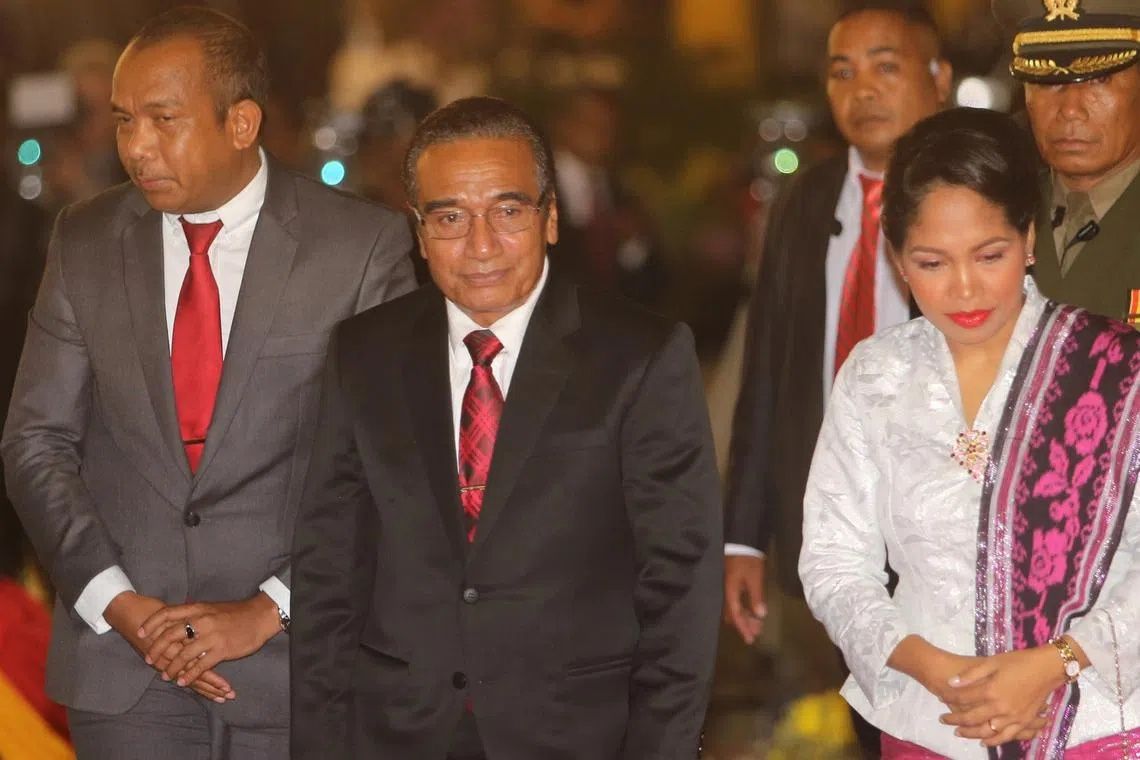
Timor-Leste is observing a week of national mourning after former president Francisco "Lu-Olo" Guterres died over the weekend at a hospital in Malaysia. The 71-year-old's passing represents a significant loss for the Southeast Asian nation, which has declared flags to be lowered to half-mast at all government buildings, including diplomatic missions abroad. His body is expected to return to the capital Dili on Tuesday, with funeral arrangements still being finalised by his family and government officials.
Guterres's death marks the end of an era for Timor-Leste. During his presidency from 2017 to 2022, he represented the culmination of a remarkable personal journey from armed resistance fighter to elected head of state. His six-decade involvement in the country's political and military struggles positioned him as one of the defining figures of modern Southeast Asian history. That a man who spent decades battling for his nation's survival would eventually hold its highest office embodied the transformation of post-conflict societies in the region.
The former leader's political career reached its apex when he secured the 2017 presidential election with over 57 percent of the vote, making him the nation's sixth president. However, his attempt to secure a second term proved unsuccessful when he was defeated in a 2022 run-off ballot by Nobel Peace Prize laureate Jose Ramos-Horta. Despite this electoral setback, Guterres retained considerable influence and respect within Timorese society. Ramos-Horta, his political rival, paid tribute to the deceased, describing him as a "great patriot" and acknowledging that his loss represented "a great loss for the nation."
Guterres's significance extends far beyond his presidential tenure. His formative years were defined by East Timor's brutal 24-year occupation by Indonesia, a conflict that shaped an entire generation of resistance leaders. Beginning from modest circumstances, Guterres joined the independence struggle and eventually became a commanding figure within armed resistance movements. When Indonesia finally withdrew in 2002 following international intervention, Guterres had already established himself as a veteran of the armed conflict and a trusted custodian of revolutionary ideals.
His leadership of Fretilin, the Revolutionary Front for an Independent East Timor, extended his influence across multiple decades. The party, which emerged as a leading political force following independence, benefited from Guterres's credibility as a seasoned revolutionary and tactician. His transition from military commander to civilian politician was characteristic of post-conflict leaders throughout Southeast Asia who successfully navigated the shift from armed struggle to democratic governance. This journey granted him unique legitimacy that transcended conventional electoral politics.
The timing of his death in a Malaysian medical facility underscores the growing healthcare interdependencies within Southeast Asia. Many citizens of smaller nations in the region, including Timor-Leste, regularly travel to neighbouring countries such as Malaysia for advanced medical treatment unavailable domestically. This reliance reflects both the disparity in healthcare infrastructure across the region and the interconnectedness of Southeast Asian societies. His death abroad, though geographically distant, has not diminished the intensity of national mourning or the prominence of state recognition.
Government responses to Guterres's passing have been notably respectful and dignified. The official statement from Dili extended "deepest condolences" not only to his immediate family but also to the Fretilin party and the broader Timorese population. This inclusive approach to state mourning acknowledges the multiple constituencies affected by his death: his family circle, his political supporters, and the general public who had lived through the independence era alongside him. Such gestures demonstrate how former leaders remain embedded within national consciousness, particularly those who personify major historical transitions.
His family has requested privacy during this period of grief, a reasonable request given the intensity of public interest surrounding such a prominent figure. Nevertheless, supporters and citizens have continued to pay tribute to his memory and contributions to the nation. The balance between honouring public figures and protecting family privacy reflects evolving attitudes toward mourning rituals in modern Southeast Asia, where traditional customs intersect with contemporary expectations of privacy and respect.
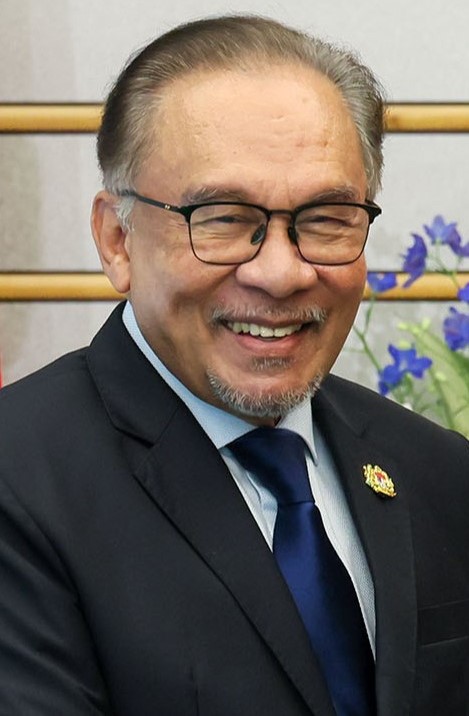
Regional leaders have also acknowledged Guterres's passing. Malaysian Prime Minister Datuk Seri Anwar Ibrahim expressed sadness over the death and extended formal condolences to both the Guterres family and the people of Timor-Leste. Anwar's statement that "Malaysia mourns his passing alongside the Timorese people" reflects the diplomatic importance of such gestures in Southeast Asia, where cross-border respect and solidarity remain valued components of regional relations. That a Malaysian leader would publicly mourn a Timorese figure underscores the interconnected nature of Southeast Asian political identities and shared historical experiences.
Guterres's legacy will likely be debated for years to come. Some will emphasise his crucial role in securing independence and maintaining democratic institutions during a vulnerable post-conflict period. Others may scrutinise his presidential record or his inability to secure re-election. Nevertheless, the week of national mourning affords the nation an opportunity to reflect collectively on the transition from occupation to sovereignty. For younger Timorese who never experienced Indonesian rule, Guterres represents a living connection to the independence era; for older generations, he embodies the sacrifices and struggles of their youth.