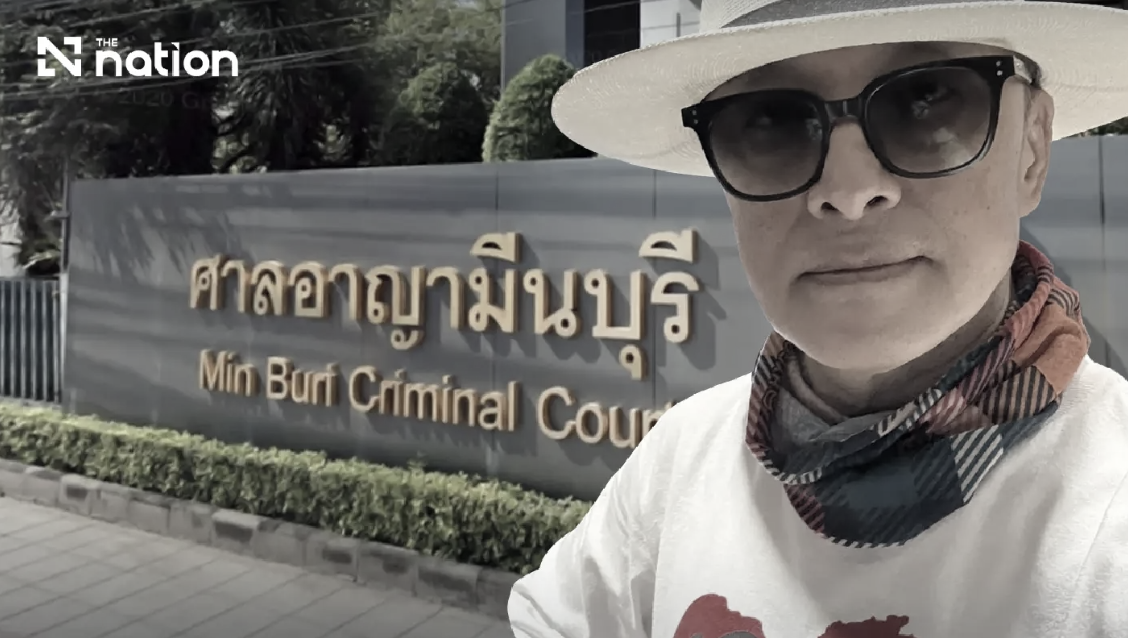
A Bangkok criminal court has handed down a two-year prison sentence to Manasawin Nantasen, the Thai entertainer known as Tik Shiro, following his conviction for operating a vehicle under the influence of alcohol and causing the deaths of two people. The sentencing on Wednesday June 24 marks a rare instance of a high-profile figure facing prison time for such offences in Thailand, a country where wealthy and connected individuals frequently evade serious legal consequences.
Manasawin achieved prominence during the late 1980s and throughout the 1990s as an entertainers whose stage persona drew direct inspiration from American pop legend Michael Jackson. His trademark wardrobe—including fedoras and leather jackets paired with intricate choreography—cultivated an artistic identity that resonated across Thai audiences. The now 64-year-old performer had maintained a place in Thailand's entertainment landscape for decades, though his career trajectory had evolved considerably since the peak of his initial stardom.
The incident that precipitated his conviction occurred in October 2024 when Manasawin drove his vehicle across a Bangkok bridge while intoxicated. His car struck a stationary motorcycle, resulting in immediate tragedy. The collision killed a 28-year-old woman who had been positioned on the motorcycle. Her brother, aged 21, was struck with such force that he was knocked off the bridge entirely. Despite emergency medical intervention following his hospitalization, the younger victim succumbed to injuries sustained in the crash, effectively doubling the fatality count from what witnesses initially understood as a single-victim incident.
Images capturing Manasawin on his knees at the accident scene, seemingly in a state of profound distress, circulated widely across Thai social media platforms and news outlets. The footage generated substantial public discourse in a nation where perceptions of preferential treatment for the wealthy and influential remain commonplace among ordinary citizens. The visible emotional display appeared to resonate with audiences, though it simultaneously underscored questions about accountability within Thailand's justice system.
The court's verdict acknowledged several mitigating elements in reaching its sentencing determination. Manasawin had voluntarily surrendered to authorities and cooperated throughout legal proceedings, providing statements that prosecutors deemed valuable. His demonstrated remorse—demonstrated through attendance at funeral services for the deceased victims and substantial financial compensation extended to bereaved family members—influenced judicial consideration. Nevertheless, the court issued an unconditional revocation of his driving privileges, eliminating any possibility of future licensure.
The case unfolds against a broader backdrop of Thailand's inconsistent application of justice to celebrity defendants and individuals from privileged backgrounds. Concurrent proceedings saw rock musician Sek Loso released from imprisonment following completion of a sentence exceeding one year for narcotics possession and unauthorized firearm ownership. While Sek Loso's sentence had been served in full, the juxtaposition highlighted how celebrity cases command attention and resolution through formal judicial channels.
More conspicuous examples of perceived impunity persist in Thai collective memory. The 2012 Ferrari incident involving Vorayuth Yoovidhya, heir to a substantial Red Bull fortune, demonstrated how even vehicular fatalities involving prominent families could languish without formal charges. Yoovidhya's vehicle struck and killed a Bangkok police officer in an affluent neighbourhood, yet despite investigative proceedings, prosecutors never moved to formal indictment. The case became emblematic of systemic inequities within Thailand's legal infrastructure.
Equally troubling, the 2001 nightclub shooting attributed to a son of former Pheu Thai Member of Parliament Chalerm Yubamrung resulted in a fatality following what witnesses described as an interpersonal dispute. Despite the deadly outcome occurring in a crowded establishment with numerous potential witnesses, the defendant ultimately secured acquittal premised on evidentiary insufficiency. These precedents contextualize the significance of Manasawin's conviction within Thailand's criminal justice environment.
The sentencing may reflect evolving judicial attitudes toward accountability for serious traffic violations, particularly when they result in multiple fatalities. Public attention and documented evidence—including video documentation and social media scrutiny—arguably complicated efforts to dismiss or minimize the case through conventional channels. Manasawin's willingness to engage transparently with proceedings and his visible expressions of remorse may have satisfied judicial expectations regarding contrition and cooperation, facilitating a conviction that might have faced greater obstacles in earlier periods.
For Malaysian and broader Southeast Asian observers, the case illuminates persistent challenges within the region regarding equitable application of traffic laws and criminal accountability. Though Thailand's sentence represents formal judicial action against a prominent cultural figure, underlying questions persist regarding whether such outcomes constitute genuine systemic reform or merely exceptional cases that reinforce rather than contradict patterns of preferential treatment. The contrast between Manasawin's conviction and the earlier cases involving Yoovidhya and Yubamrung's relative suggest that high-profile outcomes should be interpreted cautiously as indicators of institutional transformation.