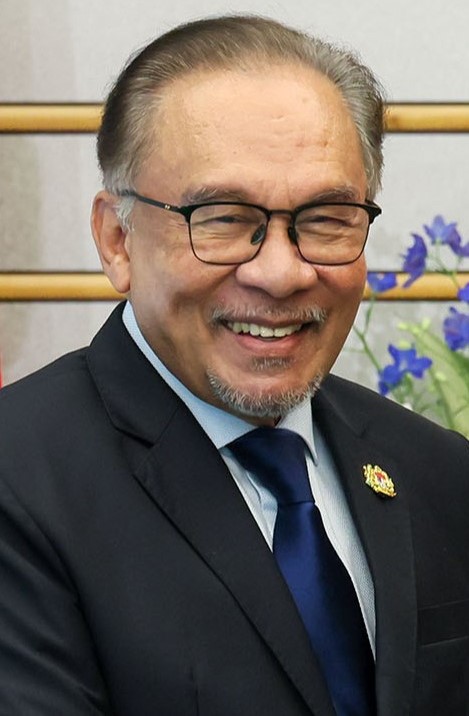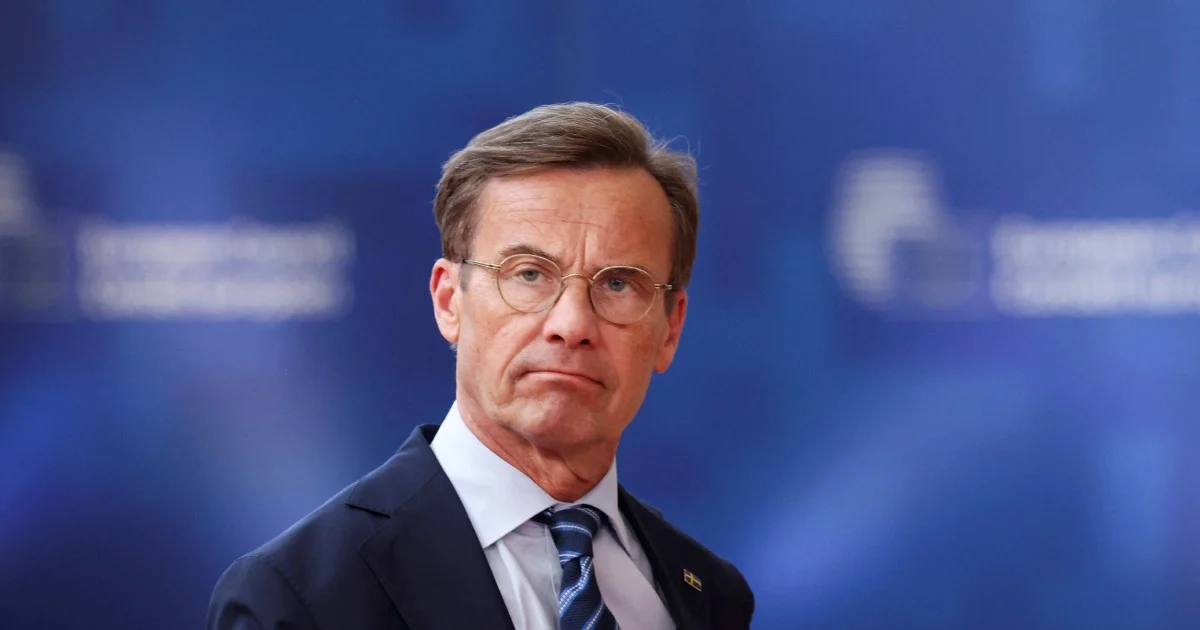
Swedish Prime Minister Ulf Kristersson enters the final stretch before legislative elections operating from a position of apparent political resilience, despite a seemingly endless procession of controversies that have punctuated his four-year tenure. The latest corruption allegations arriving just 12 weeks from polling day suggest the scandal-weary electorate may have grown accustomed to accusations swirling around the nation's chief executive. This pattern of surviving damaging revelations with limited electoral consequences stands in sharp contrast to how other Scandinavian leaders have faced accountability, raising questions about the durability of Kristersson's political capital and the thresholds of public tolerance in Swedish politics.
Throughout his period in office, Kristersson has demonstrated a remarkable capacity to deflect criticism and move past controversies that might have ended the careers of less resilient politicians elsewhere in Europe. Each scandal has threatened to become the defining moment of his premiership, yet each time the political storm has dissipated before inflicting lasting damage on his standing. This survival instinct speaks to either considerable political skill in managing crises and shaping narratives, or a public increasingly inured to revelations about ministerial misconduct. The pattern also reflects the peculiarities of Swedish political culture, where ideological positioning and coalition stability sometimes outweigh individual scandals in determining electoral outcomes.
The timing of these fresh corruption allegations creates an unusual dynamic in Swedish electoral politics. Typically, such accusations gain maximum traction when voters are actively paying attention to political narratives and making final decisions about ballot choices. With less than three months separating these revelations from voting day, there remains sufficient time for the controversy to gain significant media coverage and public awareness. Yet the historical pattern suggests these claims may follow the familiar trajectory of previous scandals, fading from headlines as other events command attention and as Kristersson's government maintains its communication strategy.
From a Southeast Asian perspective, the Swedish situation offers interesting contrasts to how leaders in this region manage political controversy. Malaysian, Indonesian, and Thai political systems have historically seen leaders removed from office through various mechanisms in response to corruption allegations. The Thai military has intervened in coups partly justified by corruption concerns, while Indonesian presidents have faced impeachment proceedings. Swedish institutional frameworks appear to offer significantly more protection to sitting prime ministers, suggesting that established democracies with strong institutional separation of powers may shield leaders from consequences that politicians in younger democracies might face.
Kristersson's coalition government, comprising the Moderate Party and several smaller partners, has held together despite internal tensions and external pressures. This structural stability may provide crucial insulation from the electoral consequences that might otherwise accompany scandal. Coalition governments often prioritize continuity and grid stability over holding individual leaders accountable, as bringing down a prime minister can trigger government collapse and new elections—outcomes that coalition partners may wish to avoid. The mathematics of Swedish parliamentary politics thus creates incentives for overlooking individual misconduct in favour of maintaining governing arrangements.
The four-year arc of Kristersson's premiership demonstrates how scandal fatigue can develop within electorates. Each new revelation triggers initial media frenzy and public concern, but as revelations accumulate, individual incidents may lose impact. Swedish voters faced with repeated corruption allegations might experience diminishing returns from each new story, creating what political scientists term an "accusation discount." This psychological phenomenon suggests that dramatic revelations lose persuasive power through repetition, a dynamic that works substantially in Kristersson's favour as he approaches the election.
The specific nature of these corruption allegations remains significant for assessing their potential impact. Allegations ranging from minor impropriety to serious criminal conduct carry vastly different implications for political viability. If these latest claims involve technical violations or the kind of grey-area behavior that characterizes much political conduct, they may prove less damaging than accusations of outright criminal enterprise. Swedish political tradition tends to distinguish between poor judgment and actual criminality, with the former frequently survivable and the latter generally not.
The international dimension of Kristersson's scandals also warrants consideration. Sweden's role as a NATO member and participant in European security discussions means that leadership stability carries implications beyond domestic politics. Coalition partners and allied governments may prefer continuity with Kristersson rather than face the uncertainty of a transition to new leadership, creating a geopolitical interest in his survival. This external pressure for stability represents a significant political advantage unavailable to leaders of smaller or less strategically positioned nations.
For Malaysian observers monitoring Swedish politics, the broader lesson concerns how political systems respond to executive wrongdoing. In Malaysia, where corruption scandals have toppled governments and sent former leaders to prison, the apparent resilience of Kristersson appears almost incomprehensible. Yet the Swedish case demonstrates that institutional design, public expectations, coalition mathematics, and scandal fatigue collectively determine political consequences. Neither the Swedish nor Malaysian approach represents the inevitable outcome of corruption allegations; rather, each reflects specific institutional and cultural contexts that shape accountability.
As voters prepare for elections three months hence, Kristersson's government continues governing and campaigning simultaneously. The latest corruption allegations will inevitably feature in campaign discourse and opposition messaging, yet the historical pattern suggests they may not fundamentally alter the electoral landscape. Whether this consistency holds through to voting day will test the limits of political resilience in established democracies and provide a cautionary tale about the conditions under which scandal genuinely translates into electoral accountability.