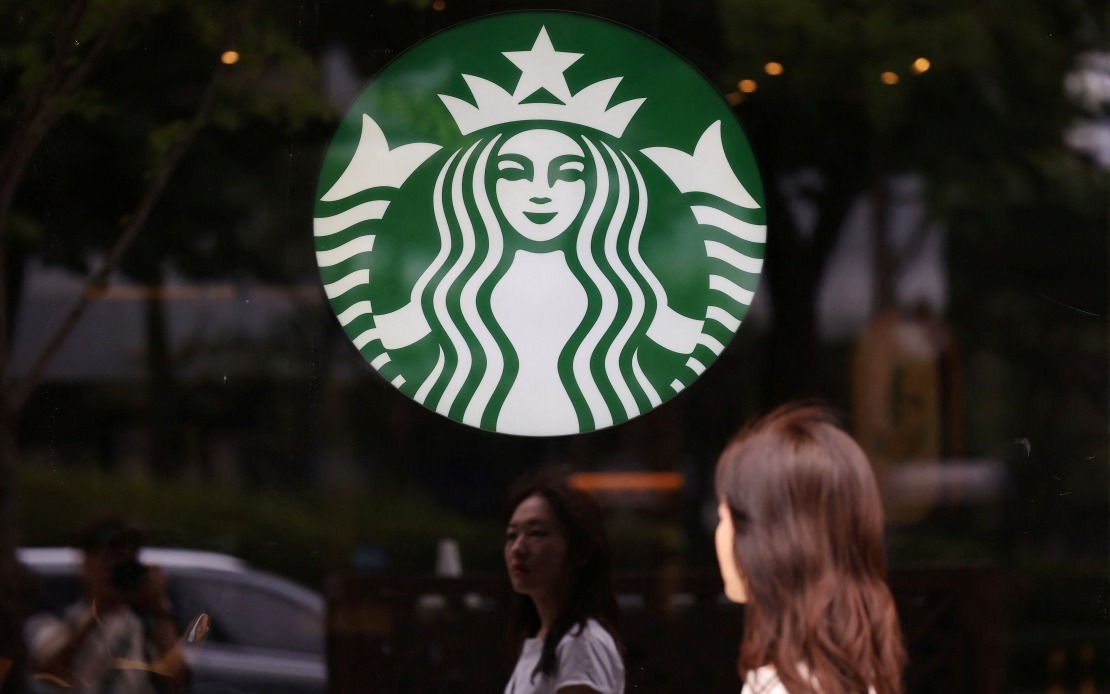
Starbucks took the unprecedented step of closing all 2,000 stores across South Korea on Monday afternoon, implementing a mandatory history lesson for its workforce in response to a major public relations controversy. The closure, affecting the entire South Korean operation managed by local partner Shinsegae, represented an unusual corporate acknowledgement of the sensitivity surrounding historical memory in the nation and the power of public outrage to drive institutional change. The training session underscored how deeply the events of May 18, 1980 remain embedded in South Korea's collective consciousness and how corporate missteps touching on that history can trigger swift and severe consequences.
The crisis originated from Shinsegae's promotional campaign for a stainless steel thermos cup marketed as the "SS Tank," accompanied by a declaration designating May 18 as "Tank Day." The company appeared to have overlooked—or perhaps genuinely failed to anticipate—the catastrophic historical resonance of this date and its imagery within South Korean society. The choice of May 18 was particularly damaging because it directly corresponded with the date of the Gwangju Uprising, when the South Korean military government of that era deployed armoured vehicles to violently suppress a pro-democracy demonstration. The crackdown resulted in the deaths of several hundred civilians and remains one of the most traumatic episodes in modern Korean history.
Public reaction was swift and intensely negative. South Korean citizens, acutely aware of the historical significance, immediately recognised the apparent insensitivity of the campaign and launched calls for boycotts against Starbucks and Shinsegae. The controversy escalated rapidly across social media and traditional news outlets, forcing the company to halt the campaign within hours of its launch. The damage to brand reputation, however, extended well beyond the initial promotional period. For international corporations operating in South Korea, the incident served as a stark reminder that consumer activism rooted in historical consciousness can deliver immediate and tangible business consequences.
The abbreviation "SS" itself became a secondary focal point in public discourse, though it played a more peripheral role in the overall controversy. While the letters ostensibly referred to stainless steel in the product name, observers noted that the same abbreviation carried deeply troubling associations with Adolf Hitler's paramilitary organisation, the Schutzstaffel. This additional layer of problematic symbolism, whether accidental or not, compounded perceptions of the campaign as tone-deaf and offensive, though the primary source of public fury remained the connection to the Gwangju massacre rather than Nazi-era symbolism.
The political dimensions of the scandal extended to South Korea's highest office. President Lee Jae Myung publicly condemned the campaign, expressing his anger on the social media platform X. "I am furious at the inhumane behaviour of such businesspeople," the President wrote, signalling that the controversy had transcended corporate public relations and entered the realm of national political discourse. Such direct presidential criticism underscored the gravity with which the South Korean government and public regarded the misstep, and it reinforced the understanding that disrespecting victims of the democracy movement constituted a serious breach of civic values.
Shinsegae responded to the crisis with several damage-control measures. The company issued a formal apology and initiated an internal investigation to determine how the campaign had been conceived and approved without adequate historical screening. Following the investigation, executives announced that the employee responsible for the campaign had been dismissed. Shinsegae's statement emphasised that the company harboured no intention of defaming or disrespecting the victims of the democracy movement, framing the incident as an unintentional oversight rather than deliberate provocation. Whether this explanation satisfied public sentiment remained a separate question.
Beyond corporate accountability, South Korean police launched their own investigation into the background and circumstances of the campaign. This official police involvement reflected the seriousness with which state authorities treated the matter and suggested that prosecutors might explore whether criminal liability applied. The fact that a corporate marketing decision prompted law enforcement investigation illustrated how intertwined South Korean corporate culture remains with questions of historical responsibility and collective memory.
The mandatory history training implemented across Starbucks' South Korean network represented a corporate response aimed at preventing similar incidents in the future. By ensuring that all employees received education about the Gwangju Uprising and its historical significance, Starbucks attempted to rebuild trust and demonstrate commitment to respecting Korean historical consciousness. The nationwide closure, though operationally disruptive, conveyed corporate seriousness about the matter and potentially signalled to consumers that the company had internalised the lesson from public backlash.
For multinational corporations operating across Asia, the Starbucks-Shinsegae incident carried broader implications about the necessity of historical literacy in markets with deep-rooted national traumas. South Korea's particular sensitivity to the Gwangju Uprising reflects broader patterns across the region, where corporate messaging must navigate complex historical contexts and collective memories. The incident demonstrated that in an age of instant social media amplification, consumer activism rooted in historical consciousness can rapidly overwhelm corporate decision-making structures and force institutional reckonings that extend beyond public apologies.
The episode also highlighted the specific challenges faced by international brands operating through local partners. Shinsegae's responsibility for Starbucks' Korean operations meant that corporate missteps by the local operator reflected directly on the global brand. This structure created incentives for Starbucks to implement stronger oversight mechanisms and historical awareness protocols across its supply chain and marketing operations in South Korea and throughout the region. The training closure represented an attempt to translate this recognition into tangible institutional practice.
Further afield, the incident resonated with consumers and commentators across Southeast Asia and beyond, where similar historical sensitivities persist. Markets throughout the region contain their own painful chapters of military suppression, political violence, and democratic struggle. The Starbucks-Shinsegae crisis underscored the reality that corporate campaigns require careful attention to local historical contexts, and that failure to demonstrate such sensitivity can trigger consumer responses that inflict lasting brand damage and invite regulatory scrutiny.