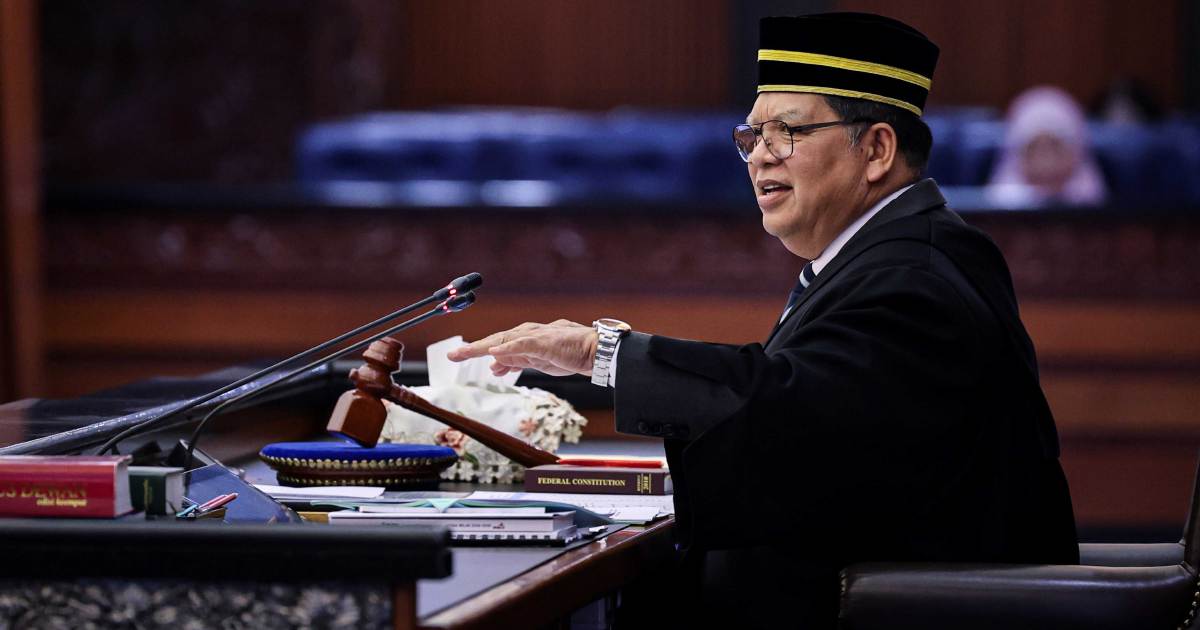
Dewan Rakyat Speaker Tan Sri Johari Abdul has issued a stern reminder to members of parliament regarding their fundamental responsibility to participate in parliamentary sittings, underscoring that absence without justifiable grounds represents a dereliction of duty to constituents and the nation.
The speaker's call for greater discipline in attendance reflects growing concerns about absenteeism within the lower house, a matter that directly affects the functioning of Malaysia's legislative process. When MPs fail to attend without legitimate reasons, it creates gaps in representation and hampers the institution's capacity to conduct its business effectively, from debating legislation to scrutinizing government policies. The reminder comes at a time when parliamentary operations require full participation to address the mounting legislative agenda facing the nation.
Parliamentary attendance serves as a cornerstone of democratic accountability. Members who consistently absent themselves without compelling justification fail to fulfill the mandate entrusted to them by voters who elected them to serve national and constituent interests. This breach of trust undermines public confidence in parliamentary institutions and raises questions about the commitment of elected representatives to their sworn duties. The speaker's intervention signals that the Dewan Rakyat takes such lapses seriously and expects members to demonstrate their dedication through consistent presence.
What constitutes a valid reason for absence remains subject to parliamentary rules and procedures. Legitimate grounds typically include documented medical emergencies, official duties sanctioned by leadership, unforeseen family crises, and other circumstances beyond a member's reasonable control. The speaker's emphasis on validity suggests a need to distinguish between genuine hardship and negligent behaviour, distinguishing between those facing legitimate obstacles and those simply choosing not to participate in parliamentary work. This distinction matters because it maintains the integrity of parliamentary proceedings while acknowledging the realities that members occasionally face.
The broader context for this reminder extends beyond individual responsibility. Parliament operates on the principle that a quorum—a minimum number of members—must be present for certain proceedings to carry legal validity. Chronic absences erode this quorum and can disrupt the legislative calendar, forcing postponements and creating bottlenecks in the passage of important bills. For Malaysian stakeholders monitoring parliamentary performance, unexplained absences represent a tangible measure of institutional dysfunction that affects the timeliness of governance and policy implementation affecting the economy and society.
Regionally, attendance and conduct standards in national legislatures reflect broader patterns of democratic participation and institutional health. Southeast Asian parliaments have grappled with similar challenges, with some establishing stricter mechanisms to enforce attendance and sanction members who repeatedly breach discipline. Malaysia's approach, combining reminders from the speaker with procedural requirements, represents an effort to balance flexibility with accountability. Whether such measures prove sufficient depends on the willingness of members to internalize the importance of their presence and the robustness of enforcement mechanisms available to parliamentary leadership.
The speaker's authority to issue such reminders derives from his constitutional and procedural responsibilities to maintain order and discipline within the chamber. This power extends to cautioning members about conduct that breaches parliamentary expectations, though ultimate enforcement may require escalation to disciplinary committees or, in serious cases, adverse recommendations affecting parliamentary privileges or committee appointments. The timing and tone of Tan Sri Johari's reminder suggest a preference for voluntary compliance through persuasion rather than punitive measures, at least initially.
Technological advances have made the work of tracking and documenting attendance more straightforward, potentially facilitating greater transparency around parliamentary absences. Public access to attendance records allows citizens, civil society organizations, and the media to assess individual MP accountability, creating informal mechanisms of accountability beyond formal parliamentary discipline. This transparency can incentivize compliance as members become aware that their absence patterns are subject to public scrutiny and analysis.
Looking forward, the speaker's intervention may prompt discussions about whether existing attendance policies require strengthening or clarification. Some legislatures have implemented consequences ranging from reduced committee placements to financial penalties, though Malaysian parliamentary tradition has generally relied on softer mechanisms emphasizing collective professional standards. The effectiveness of Tan Sri Johari's reminder will ultimately depend on whether members internalize his message and whether leadership remains vigilant in reinforcing these expectations in subsequent sittings.
For Malaysian constituents and the broader public invested in good governance, the state of parliamentary attendance reflects the vitality of democratic institutions. When MPs attend regularly and engage substantively with legislative business, parliament fulfills its representative and scrutiny functions. Conversely, chronic absences signal a parliament weakened by indifference and capable of being sidelined in national decision-making processes. The speaker's reminder therefore carries implications extending well beyond parliamentary procedure, touching on fundamental questions about the role of elected representatives in Malaysia's democratic system.