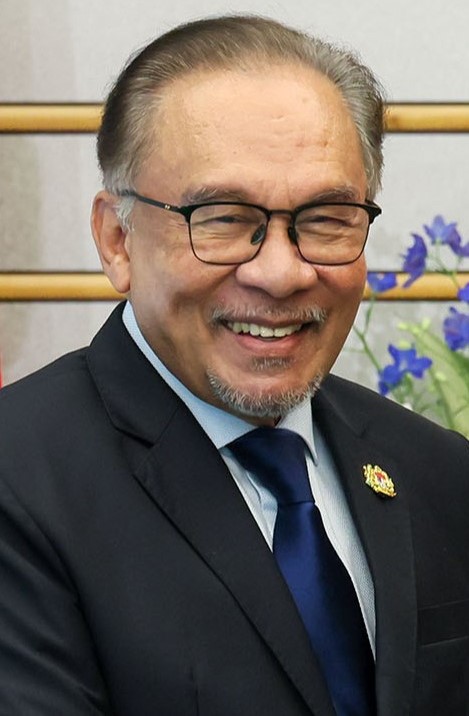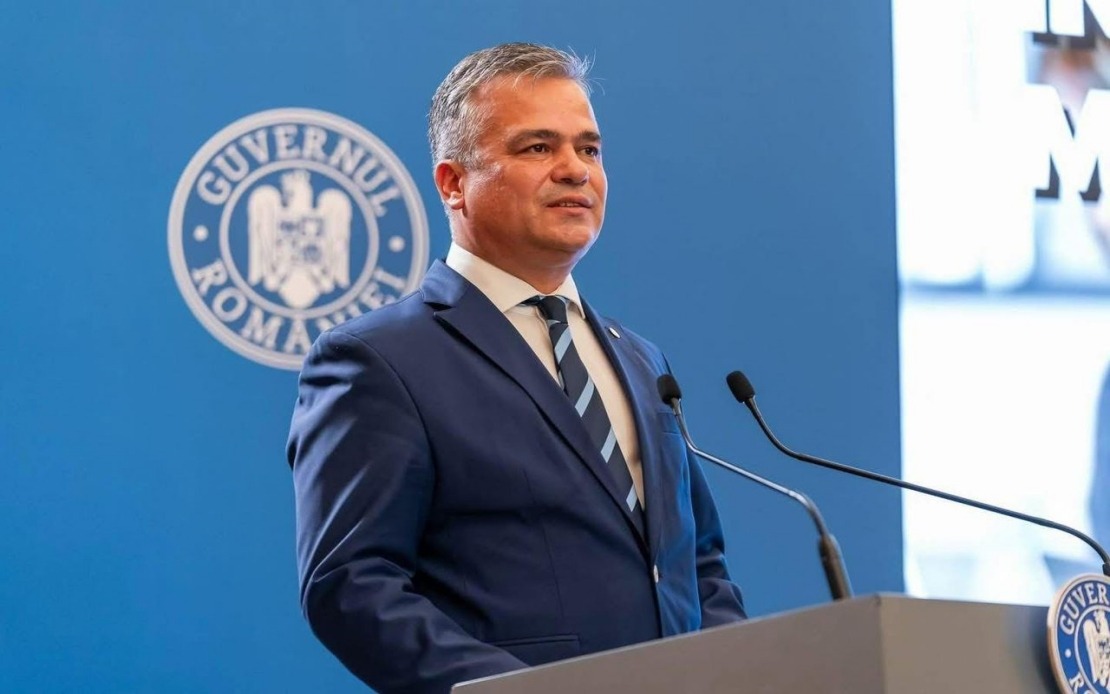
Adrian Vestea, Romania's prime minister-designate and first vice-chair of the National Liberal Party, formally presented his proposed cabinet composition and government programme to parliament on Monday, marking a pivotal moment in the country's efforts to resolve a period of political uncertainty. The submission of the ministerial roster and policy framework represents a critical procedural step intended to conclude the interregnum and restore functioning governance structures across Romanian institutions, Vestea said in statements made through social media channels to announce the development.
The backing of the Social Democratic Party, confirmed at a party meeting held the previous day, provides the political foundation for Vestea's appointment. This endorsement proved essential given the complex coalition mathematics required to assemble a functional parliamentary majority in the Romanian legislature. The convergence of support from the centre-right National Liberal Party and the left-leaning Social Democrats signals an effort to bridge Romania's traditional political divide, even as tensions persist within both parties regarding the wisdom of such cooperation.
Vestea's administration has articulated five substantive policy priorities that will govern its approach to governance over the coming term. At the forefront stands the establishment of robust political stability—a foundational requirement for addressing the institutional vulnerabilities exposed by the recent governmental transition. Equally prominent is the acceleration of European Union fund absorption, a critical objective given Romania's standing as a beneficiary of substantial EU financing mechanisms and the pressing need to deploy these resources efficiently before funding windows close. Economic stability maintenance represents a third pillar, reflecting concerns about inflationary pressures and fiscal management in an increasingly volatile international environment.
The administration also commits to substantial infrastructure investment programmes, recognising that Romania's development trajectory depends substantially on modernising transportation networks, utilities, and digital connectivity systems that have lagged behind Western European standards. The fifth priority—advancing strategic national security initiatives—acknowledges Romania's heightened geopolitical significance following Russia's invasion of Ukraine, which has elevated the country's role as a NATO member bordering Moldova and Black Sea security concerns.
The composition of the proposed cabinet itself merits analytical attention, as it reveals the pragmatic compromises necessary to achieve governmental functionality. Despite the National Liberal Party's official public stance rejecting coalition arrangements with left-wing forces, the executive body includes representatives from both the Social Democrats and NLP members loyal to Vestea personally. This arrangement suggests that Vestea commands a personal political base within the National Liberal Party that transcends the party's official institutional positions, enabling him to construct a working majority through cross-party alliances.
Such internal party divisions within the NLP reflect broader European patterns wherein traditional ideological barriers have become more permeable when confronted with practical governance requirements and the need to address pressing policy challenges. For Malaysian observers, the Romanian experience offers instructive parallels regarding coalition-building dynamics, particularly the tension between formal party discipline and pragmatic parliamentary arithmetic that determines executive formation in diverse legislatures.
The timing of Vestea's cabinet presentation occurs within a broader context of European political realignment, where centre-left and centre-right formations increasingly discover common ground on economic management, European integration, and security matters, even as they maintain rhetorical commitments to traditional partisan positions. Romania's specific circumstances—geographic proximity to Ukraine, substantial EU fund dependencies, and NATO obligations—have created imperatives that transcend conventional left-right divisions.
However, Romanian media sources indicated that parliamentary approval of the cabinet composition remained uncertain at the time of announcement. This unresolved status underscores that formal submission of a ministerial roster does not automatically guarantee legislative endorsement. Vestea must now navigate the parliamentary approval process, which will determine whether his proposed government can actually assume office and implement the articulated policy agenda. The approval phase will test whether the political calculations that secured the Social Democratic Party's backing translate into sufficient parliamentary votes when formally cast.
The resolution of this uncertainty carries implications beyond Romania's borders. Stable governance in this EU and NATO member state contributes to broader European institutional coherence and regional security frameworks. Furthermore, Romania's capacity to effectively absorb EU funding and implement infrastructure projects affects competitive dynamics within the Central and Eastern European development context, influencing perceptions of governance effectiveness across the region.
For Southeast Asian readers and policymakers, the Romanian experience demonstrates how even established democracies with EU integration and NATO membership must undertake complex coalition negotiations to achieve executive formation. The case illustrates that political fragmentation and the necessity of cross-ideological cooperation transcend geographic and developmental boundaries, presenting challenges and opportunities for governance that merit comparative analysis.
The coming weeks will prove decisive in determining whether Vestea's proposed administration wins parliamentary approval and whether the strategic priorities articulated in the government programme can be translated into concrete policy implementation. The outcome will shape Romania's political trajectory and its contributions to European and transatlantic security frameworks during a period of significant geopolitical uncertainty.