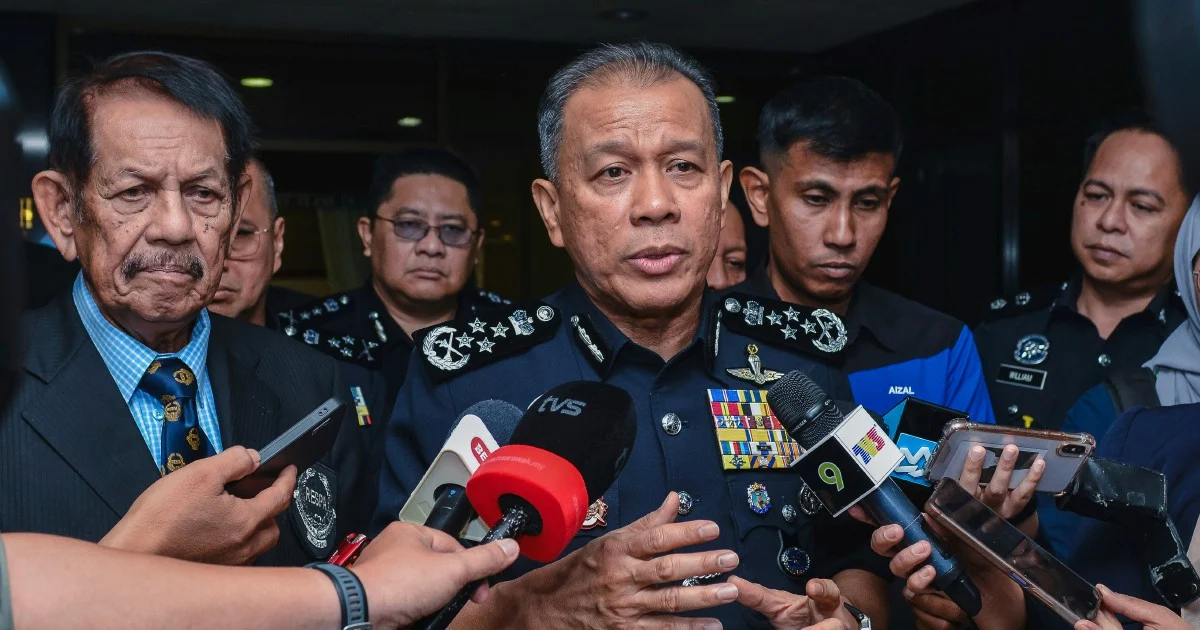
The Royal Malaysian Police (RMP) has initiated formal disciplinary proceedings against one of its personnel following a video incident that gained significant traction across social media platforms in recent days. The officer became the subject of widespread online attention after footage emerged appearing to capture inappropriate behaviour and derogatory comments made toward Chinese residents while the individual was visiting the country.
The viral nature of the incident has placed the matter firmly in the public spotlight, drawing scrutiny from both domestic audiences and international observers monitoring Malaysia's police conduct standards. The Inspector-General of Police confirmed the launch of the investigation, signalling that the police leadership is taking the allegations with appropriate seriousness and implementing its established accountability mechanisms.
This case reflects growing concerns about the conduct of security force personnel when representing Malaysia abroad. As officers of the law operate under a code of professional responsibility, their actions—whether on-duty or off-duty—can reflect upon the institution and the country's international standing. The incident underscores how digital platforms and mobile recording technology have fundamentally transformed oversight of public officials, with viral videos serving as powerful mechanisms for accountability.
The disciplinary framework within the RMP provides structured pathways for investigating alleged misconduct by serving members. The process typically involves gathering evidence, hearing statements from involved parties, and determining appropriate corrective measures should wrongdoing be substantiated. The outcome of such investigations carries implications not only for the individual officer but for broader institutional credibility and public confidence in police professionalism.
Malaysia's international reputation depends significantly on how its officials conduct themselves when travelling or engaging with foreign nationals. A single officer's actions captured on video can amplify perceptions about institutional standards across the entire force, particularly in an era where social media amplification transcends geographical and temporal boundaries. The swift acknowledgement of the investigation by police leadership demonstrates awareness of this reputational dimension.
The incident also highlights the evolving challenges faced by modern policing organisations in maintaining discipline and conduct standards among their personnel. With officers frequently engaging with diverse populations—both domestically and internationally—training in cultural sensitivity and professional deportment has become increasingly vital. Beyond technical law enforcement skills, contemporary police personnel require sophisticated interpersonal capabilities that reflect Malaysia's multicultural identity and its position as a regional hub with significant international engagement.
Cyber communities and social networks have created new dynamics in how misconduct allegations surface and spread. What might previously have remained localised or limited in circulation can now reach millions within hours, particularly when the narrative carries elements that resonate with broader social concerns. This transformation demands that police institutions develop responsive mechanisms that address allegations promptly while maintaining procedural fairness toward those under investigation.
The investigative process will likely examine contextual details surrounding the video's creation and circulation, the accuracy of allegations made, and the officer's version of events. Disciplinary investigations of this nature must balance the presumption of innocence with institutional obligations to maintain public trust and professional standards. The transparency and thoroughness of such proceedings ultimately influence how the public perceives police accountability mechanisms.
For Malaysian law enforcement, this incident serves as a reminder that personnel represent the institution continuously, not merely during official working hours. The values embodied by individual officers—respect, professionalism, and appropriate conduct toward diverse communities—contribute to the overall legitimacy and effectiveness of the force. Training programmes and institutional culture both play roles in reinforcing such expectations among serving members.
The broader Southeast Asian context adds another dimension to this incident. Regional neighbours and international partners monitor how Malaysia's institutions handle allegations of misconduct among their personnel. Demonstrable commitment to investigating and appropriately addressing substantiated wrongdoing reinforces Malaysia's standing within international police cooperation frameworks and diplomatic relationships.
As the investigation progresses, the police force will need to communicate effectively with the public regarding its processes and findings, within appropriate operational and privacy constraints. Such transparency, balanced against the rights of the investigating officer, helps maintain confidence in institutional integrity. The manner in which the force concludes this matter will likely influence public perceptions of police accountability for some time to come.
The incident ultimately reflects broader tensions within modern policing: maintaining institutional cohesion and officer morale while enforcing robust professional standards; respecting individual due process while responding to public demands for swift accountability; and operating with integrity both domestically and when representing Malaysia internationally. How these tensions are navigated in this specific case will carry lessons extending well beyond the individual officer involved.