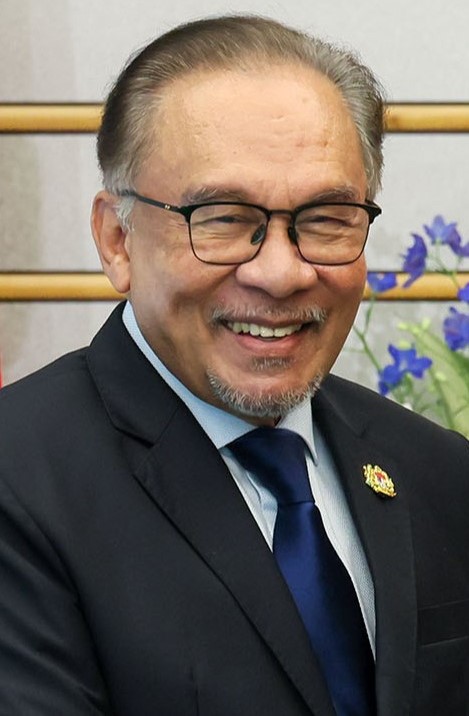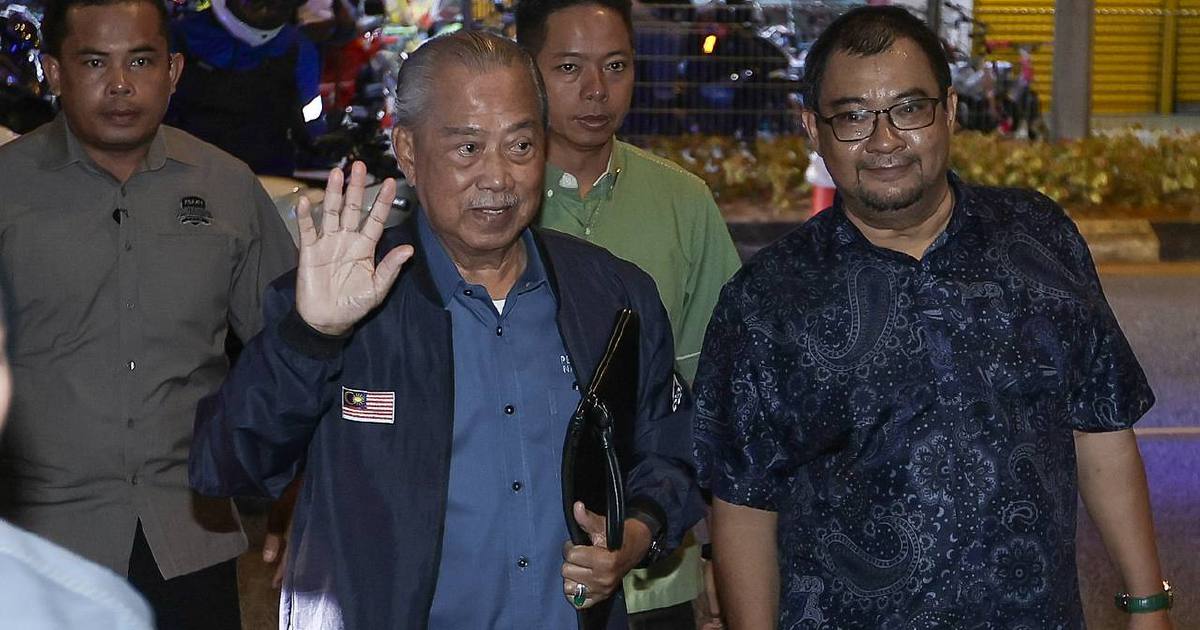
Perikatan Nasional convened an emergency Supreme Council meeting in Kuala Lumpur that concentrated on broader coalition matters and the prospect of recruiting additional members, while conspicuously avoiding deliberation on the status of Bersatu within the opposition grouping. The timing and focus of the gathering suggest calculated avoidance of an internally contentious issue that has threatened coalition cohesion.
Muhyiddin Yassin, a key PN figure, explicitly clarified that discussions during the session did not extend to examining Bersatu's standing or future within the coalition framework. This clarification itself underscores the sensitivity surrounding the matter, as opposition leaders have grappled with deepening tensions over Bersatu's role and whether the party remains a reliable coalition partner. The deliberate exclusion of this topic from an otherwise comprehensive meeting agenda indicates PN leadership's preference to manage the dispute through other channels rather than convening a full council debate.
The coalition's focus on potential new membership expansion signals an attempt to strengthen its position ahead of significant political developments. Adding members could theoretically bolster PN's parliamentary numbers and electoral prospects, addressing long-standing numerical disadvantages against the ruling Barisan Nasional government. However, coalition expansion efforts must be weighed against internal stability concerns, particularly given existing friction over Bersatu's direction and commitment to opposition unity.
Bersatu's position within PN has become increasingly precarious following perceived shifts in the party's political alignment and strategy. The party's founding leader Mahathir Mohamad has publicly aired concerns about party direction, while other coalition members have questioned whether Bersatu remains genuinely committed to opposition objectives or is pursuing alternative arrangements with the government. Such doubts have eroded the foundation of trust essential for multi-party coalitions functioning effectively.
The emergency meeting itself suggests PN leadership recognised the necessity for rapid decision-making on strategic matters. Emergency sessions typically address time-sensitive issues requiring immediate council attention, yet the reported omission of Bersatu's status appears intentional rather than coincidental. This approach may reflect PN's calculation that postponing confrontation over Bersatu preserves short-term coalition unity, even if underlying tensions persist unresolved.
For Malaysian opposition politics, PN's evolution carries substantial implications. The coalition emerged as a significant political force after the 2020 government transition, offering voters an alternative to both the dominant Barisan Nasional and the fractured remnants of the Pakatan Harapan alliance. However, internal disagreements threaten to undermine PN's credibility as a unified opposition force capable of presenting coherent policy alternatives.
Bersatu's uncertain status also impacts Southeast Asia's broader political dynamics. Malaysia's internal political stability influences regional security and economic cooperation frameworks. An opposition coalition plagued by internal disputes may struggle to present effective governance alternatives, ultimately affecting investor confidence and regional standing. Neighbouring countries monitor Malaysian political developments closely, as shifts in government composition can alter bilateral relationships and regional alliance patterns.
The strategic calculation of addressing coalition membership expansion while deferring the Bersatu question reveals PN's pragmatic approach to managing competing pressures. Leadership appears willing to strengthen coalition capacity through recruitment while banking on time and political circumstances to resolve or subsume the Bersatu question. However, such avoidance strategies carry risks, as unresolved internal conflicts frequently resurface with greater intensity when previously postponed discussions finally occur.
Opposition observers and political analysts have scrutinised whether PN's apparent unity masks deteriorating underlying cohesion. The fact that Bersatu's status warranted explicit clarification suggests the matter loomed sufficiently large that council members or media questioned whether it would feature in discussions. This dynamic itself represents a form of political damage, as it publicly signals disunity to voters and potential supporters who seek reliable, stable opposition representation.
Looking forward, PN faces a critical juncture in determining whether it can transform from a loosely coordinated grouping into a disciplined coalition capable of challenging ruling coalition authority. Successfully recruiting new members could strengthen this position, but only if internal contradictions regarding foundational members like Bersatu can be addressed. Coalition politics requires continuous investment in trust-building and transparent conflict resolution, neither of which is served by deferring difficult conversations indefinitely.
The immediate political context suggests PN leadership is managing crisis through containment rather than resolution. Whether this approach proves sustainable depends on whether Bersatu's situation stabilises organically or deteriorates further, forcing the coalition's hand regarding explicit decisions about membership terms and coalition expectations. Until such clarity emerges, PN will likely maintain this awkward equilibrium of acknowledging the issue's existence while avoiding formal council discussion.