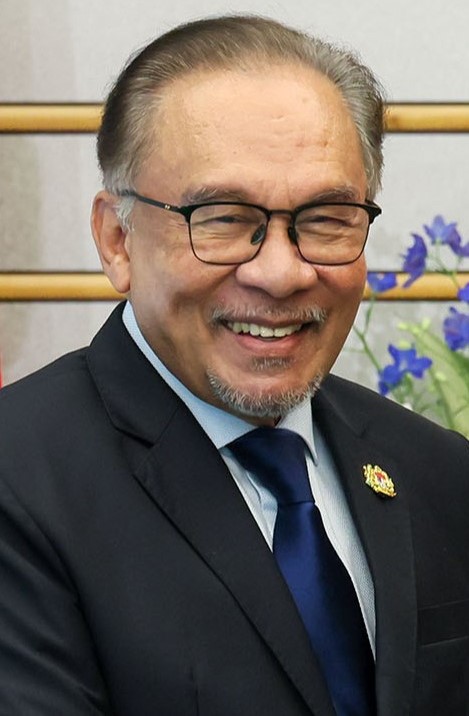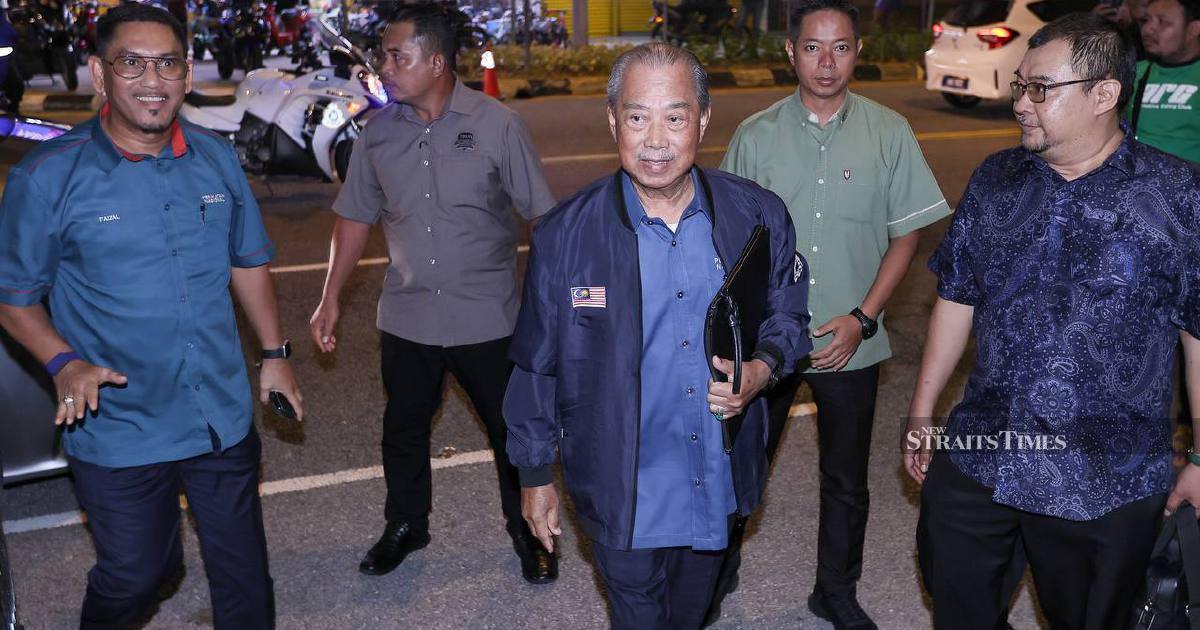
The Perikatan Nasional coalition held an emergency Supreme Council meeting at its PAS headquarters in Kuala Lumpur, underscoring mounting internal pressures facing the opposition alliance as it navigates a volatile political landscape. The hastily arranged gathering brought together senior figures from the constituent parties, signalling that urgent matters demanded immediate attention from the coalition's top echelon.
PN has been managing several competing interests and policy positions across its membership since the last general election, with tensions periodically surfacing over strategic direction and resource allocation. The coalition comprises parties with distinct ideological orientations and regional power bases, making consensus-building a perpetual challenge. The decision to convene an emergency session suggests that deliberations could no longer be deferred through regular scheduled meetings.
The timing of the emergency convocation comes amid broader shifts in Malaysia's political configuration. The ruling Perikatan Nasional government, despite controlling the current parliamentary majority following its stronger performance in the 2023 election compared to preceding electoral cycles, faces constant scrutiny and manoeuvring from competing blocs. Opposition parties and independent lawmakers continue probing for opportunities to undermine government stability and extract concessions on policy matters.
PAS, as the largest contributor to PN's parliamentary strength, wields considerable influence over coalition decisions. Its headquarters location for the emergency meeting signals the dominant party's central role in navigating whatever crisis or urgent matter prompted the summons. The party's leadership would have coordinated the agenda, ensuring that their priorities featured prominently in the discussion framework.
Previous emergency sessions have been triggered by defections, policy disagreements, disputes over ministerial portfolios, or external political developments that threatened coalition cohesion. Without confirmed details of the specific catalyst, observers must consider recent developments that might have motivated the urgent gathering. These could range from parliamentary voting dynamics to internal party reorganisation or responses to opposition manoeuvres.
The coalition's structural vulnerability lies in its dependence on several parties maintaining party discipline and parliamentary attendance. A handful of defections or a sudden shift in voting patterns on critical government legislation could prove destabilising. Emergency meetings typically occur when leadership perceives imminent risk to these arrangements. The Malaysian parliament's complex composition means that even minor fluctuations in loyalty can trigger parliamentary crises requiring immediate senior-level intervention.
For Malaysian stakeholders and the business community, PN's internal stability directly affects policy consistency and long-term governance outlook. Investors and businesses monitor coalition health closely, as executive instability can lead to delayed implementation of economic reforms or legislative initiatives. A coalition in turmoil struggles to advance comprehensive policy agendas, instead consuming leadership bandwidth managing internal conflicts.
Regionally, Malaysia's political stability carries significance beyond its borders. ASEAN partners view Malaysian political equilibrium as affecting the nation's capacity to contribute meaningfully to regional frameworks and decision-making. Internal coalition friction that weakens government authority can diminish Malaysia's diplomatic effectiveness and economic engagement across Southeast Asia.
Previous experience suggests that emergency PN meetings often produce public statements affirming coalition unity while internally addressing specific grievances or adjusting power-sharing arrangements. The coalition's leadership typically emerges from such sessions emphasising consensus and renewed commitment to shared objectives, even when substantial compromises have been negotiated behind closed doors. The precise outcomes and any announcements following this emergency session will provide clarity on what prompted the urgent convocation.
The opposition will certainly scrutinise whatever emerges from the meeting, seeking to exploit any visible fault lines or controversial decisions within the government coalition. Every emergency gathering provides potential ammunition for parliamentary criticism and public messaging campaigns designed to undermine government credibility. PN leaders would be acutely aware of this dynamic when managing sensitive discussions during private sessions.
For analysts tracking Malaysian politics, emergency Supreme Council meetings represent critical junctures where coalition trajectories can shift significantly. Whether the gathering addresses temporary friction or reflects deeper structural problems within PN's alliance framework will become apparent through subsequent political developments and public positioning by senior party figures in coming days.