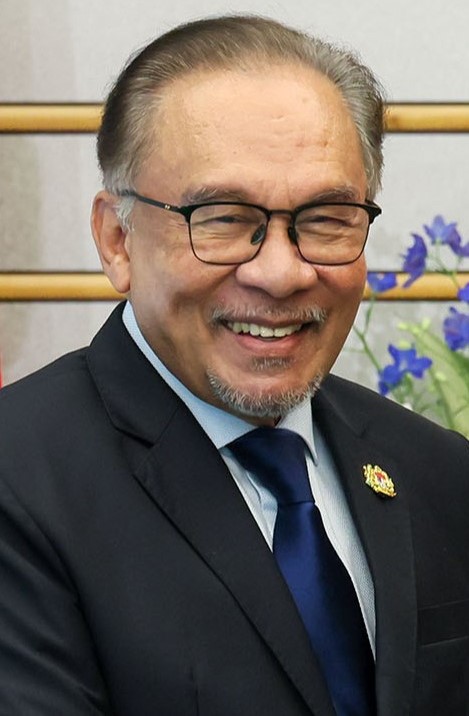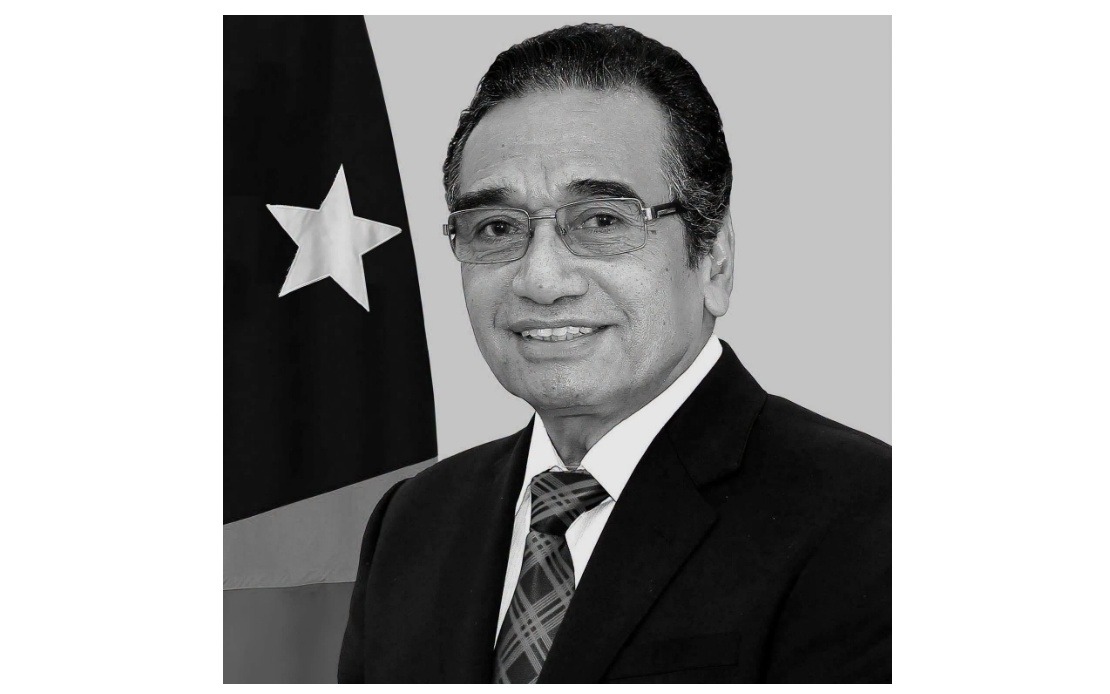
Prime Minister Datuk Seri Anwar Ibrahim has expressed Malaysia's deepest sympathies to the family and people of Timor-Leste following the passing of Francisco Guterres, the Southeast Asian nation's former head of state. Through a social media statement released on June 22, Anwar acknowledged the loss of a pivotal figure whose life was defined by decades of struggle for his country's freedom and the subsequent building of democratic institutions in the young nation.
Guterres, who was 71 years old, died at Prince Court Hospital in Kuala Lumpur after undergoing intensive medical care. The news marked the end of an era for Timor-Leste, which has witnessed significant transformation since independence in 2002. Guterres served as the country's president between 2017 and 2022, a period during which he represented the continuity of values forged in the crucible of independence struggles that defined the late 20th century for the island nation.
In his condolence message, the Prime Minister reflected on Guterres' extraordinary trajectory from armed resistance fighter to the highest constitutional office in his nation. Known affectionately as Lú-Olo during his time in the independence movement, Guterres belonged to a generation whose formative years were consumed by the pursuit of national sovereignty. This earned name became synonymous with resilience and unwavering commitment to East Timorese self-determination, resonating across communities that lived through occupation and conflict.
Anwar highlighted the breadth of Guterres' contributions to nation-building, noting his pivotal roles as President of the National Parliament before his election as Head of State. These positions placed him at the intersection of legislative and executive responsibility during critical years when Timor-Leste was establishing the institutional frameworks necessary for democratic governance. His leadership during this consolidation phase proved instrumental in stabilising the young nation as it navigated the complexities of post-conflict reconstruction.
The Malaysian premier's statement underscored the regional significance of Guterres' life and work, positioning his death as a loss felt across Southeast Asia. Malaysia, as a neighbouring nation in ASEAN and a fellow maritime state in the broader Indo-Pacific region, has maintained diplomatic relations with Timor-Leste since the latter's independence. Anwar's willingness to issue a formal condolence reflects the importance Malaysia places on its relationships with fellow Southeast Asian nations and recognition of Guterres' broader significance to regional stability and democratic values.
Guterres' passing represents the gradual departure of the founding generation of East Timorese independence leaders. These figures, shaped by decades of resistance against colonial and occupying powers, carried within them historical memory and moral authority that extended beyond partisan politics. Their deaths mark transitional moments for their nations, as leadership and institutional memory pass to generations whose relationship with independence is fundamentally different—one rooted in the lived reality of statehood rather than the struggle to achieve it.
The circumstances of his death, occurring in Malaysia rather than his homeland, raise reflections on the regional character of healthcare and medical services in Southeast Asia. Many citizens from the region seek advanced medical treatment across borders, reflecting both the development disparities and the interconnected nature of healthcare provision in contemporary Southeast Asia. Guterres' medical journey through Malaysian facilities demonstrates these practical realities of cross-border medical travel that characterise the region.
For Timor-Leste, Guterres' passing occurs during a period of domestic political and economic consolidation. The nation faces ongoing challenges related to governance, resource management, and regional positioning in an era of increasing great power competition in the Indo-Pacific. As a relatively young state still developing institutional capacity and political traditions, the departure of founding figures like Guterres leaves vacancies in the collective memory and moral authority that guide national discourse.
Malaysia's formal acknowledgment of Guterres' contributions to democracy and national independence reflects broader ASEAN values centred on respect for sovereignty and self-determination. These principles, embedded in the ASEAN Charter and regional diplomatic practice, find expression in the way member states commemorate leaders who embodied these ideals. Anwar's statement positioning Malaysia's mourning alongside that of the Timorese people emphasises the shared experience of nations that have traversed the path from colonial or occupied status to independent statehood.
The broader implication of Guterres' death extends to questions about succession and institutional continuity in younger Southeast Asian democracies. Timor-Leste, like several other nations in the region, must address how foundational narratives of independence and sacrifice are preserved and transmitted as direct links to the independence generation inevitably weaken through the passage of time. How the nation memorialises figures like Guterres will shape the political culture and historical consciousness of future generations.
Anwar's condolence message, while formal and appropriate to diplomatic protocol, signals Malaysia's commitment to maintaining warm relations with Timor-Leste during a period of national mourning. Beyond the ceremonial aspects, such statements reinforce the threads of regional solidarity that bind ASEAN members together, particularly around shared values of democratic governance and respect for the sacrifices of those who fought for national independence and regional stability.