Perikatan Nasional has moved to establish a more formal governance structure for its internal operations, with the coalition's secretary-general stipulating that no meetings or events may proceed without explicit authorization from the chairman. The directive comes in response to reports that Bersatu president Muhyiddin Yassin had initiated steps to arrange a PN Supreme Council session, raising questions about decision-making authority within the opposition alliance.
This procedural enforcement represents a significant development in how the three-party coalition—comprising Bersatu, PAS, and Perikatan's other component parties—manages its internal affairs. The requirement essentially centralizes scheduling and event approval, ensuring that party leadership maintains oversight of all formal gatherings. For the Malaysian political landscape, where informal meetings and parallel power structures have historically created friction within opposition coalitions, this represents an attempt to impose institutional discipline.
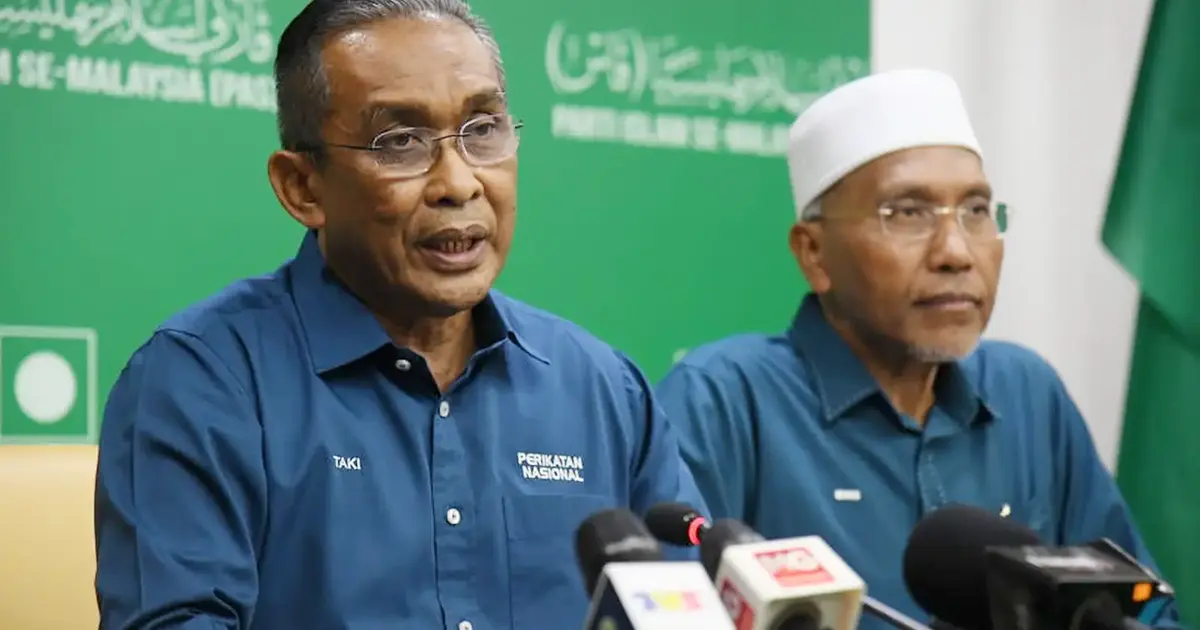
Takiyuddin Hassan, acting in his capacity as coalition secretary-general, made the statement to address what appears to be a jurisdictional dispute over who possesses authority to convene supreme council meetings. The timing of his pronouncement—directly responding to Muhyiddin's reported initiative—suggests underlying tensions about power distribution within PN. In Malaysian political practice, control over meeting schedules often translates directly to control over agenda-setting and strategic direction, making this seemingly administrative matter substantively important.
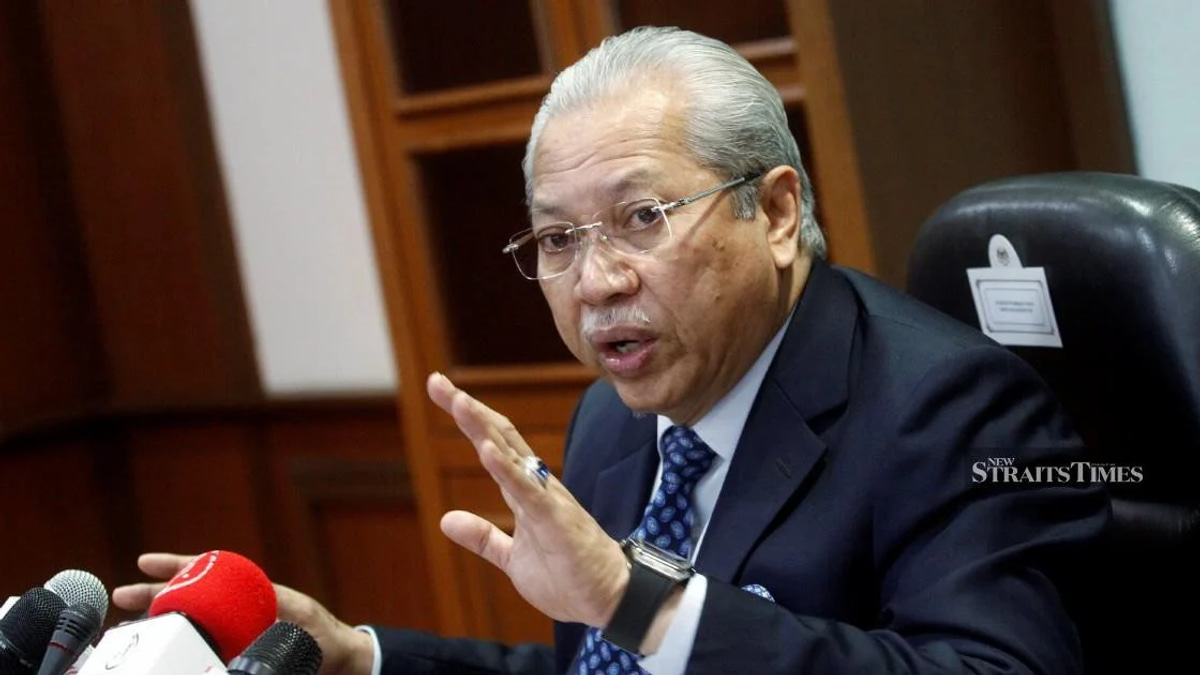
The Bersatu president's attempt to independently organize the session may reflect broader concerns about the coalition's direction or Bersatu's representation within PN decision-making structures. Muhyiddin, who previously served as prime minister and founded Bersatu, brings significant political capital to the alliance. His apparent willingness to schedule meetings suggests either frustration with existing protocols or a strategic maneuver to reassert influence within the coalition's hierarchy.
For observers of Malaysian opposition politics, this development underscores the fragility of multi-party alliances in the country's competitive environment. PN itself emerged from the collapse of Pakatan Harapan in 2020, illustrating how ideological and personal differences can fracture broad political coalitions. The need for explicit secretary-general approval of meetings implies that stakeholders have previously experienced or fear chaotic or unilateral decision-making that could undermine unity.
The enforcement of this protocol carries practical implications for how PN conducts its business and responds to political developments. When a coalition cannot quickly convene its leadership to discuss urgent matters, it risks appearing disorganized to both allies and adversaries. The requirement that Takiyuddin Hassan authorize meetings effectively gives one individual—the secretary-general—substantial gatekeeping power over the coalition's responsiveness to events.
PAS, the largest component party by parliamentary representation, will likely view this institutional arrangement with interest. As the party holding the most significant leverage within PN, PAS benefits from formal structures that prevent larger parties from unilaterally reshaping coalition strategy. Conversely, Bersatu's apparent frustration suggests it may feel constrained by collective decision-making that dilutes its ability to influence outcomes.
The political context surrounding this procedural matter also reflects broader regional dynamics. As Southeast Asian opposition movements contend with governing coalitions that possess significant state machinery advantages, internal cohesion becomes crucial for maintaining political viability. PN's experience demonstrates how administrative details of organizational governance—who controls meeting schedules, how decisions are made, what quorum requirements exist—fundamentally shape a coalition's capacity to function as a unified political force.
From a Malaysian governance perspective, these internal PN arrangements matter because the opposition coalition represents the primary alternative to the current administration. The strength of Malaysian democratic competition depends partly on whether opposition structures can maintain sufficient unity to present meaningful policy alternatives and institutional accountability. When coalitions fragment over procedural disputes, their ability to articulate coherent positions on national issues diminishes correspondingly.
The requirement for chairman authorization also suggests confidence in current PN leadership that perhaps was not universally shared in previous iterations. Whoever holds the chairman position now possesses substantially enhanced ability to shape the coalition's tempo and direction. This concentration of authority could either strengthen PN by eliminating dueling power centers or weaken it if component parties feel their concerns are insufficiently heard before decisions are made.
Looking forward, this policy will likely remain a source of tension if Bersatu and other parties perceive themselves as unable to address time-sensitive political matters. In Malaysian politics, where parliamentary maneuvers and government instability can unfold rapidly, coalitions that cannot quickly convene their leadership risk being outmaneuvered by more agile political actors. The secretary-general's gatekeeping authority could therefore prove either stabilizing or constraining depending on how circumstances evolve.
Ultimately, Takiyuddin Hassan's statement represents an effort to impose institutional order on a coalition that has experienced sufficient internal discord to warrant such measures. Whether this procedural formalization strengthens PN's political effectiveness or becomes another source of intra-coalition grievance will depend on how flexibly it is administered and whether all component parties accept its legitimacy.