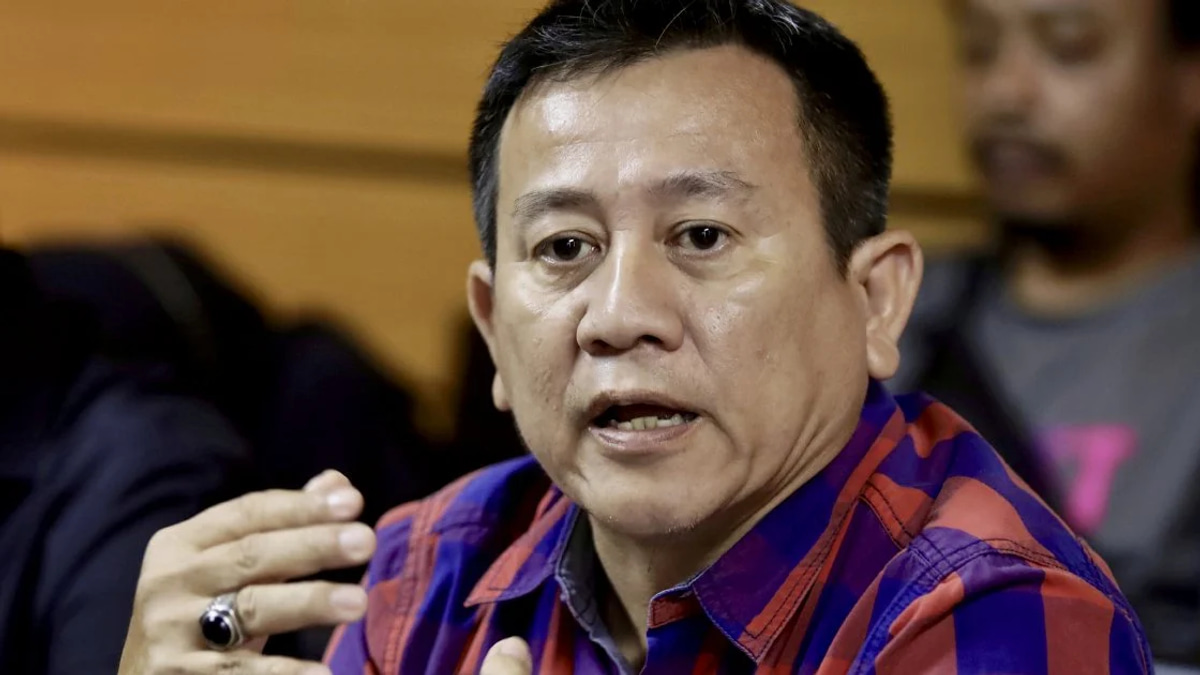
The Perikatan Nasional coalition signalled its readiness to contest a snap general election at any point in 2024, with party leadership asserting that its ground operations have been fully activated in preparation for potential early polling. Speaking in Kota Baru, Annuar Musa underscored the coalition's ability to respond swiftly should the 16th General Election be triggered before the constitutionally stipulated timeframe, projecting an image of a politically agile and operationally prepared electoral force.
This statement arrives amid persistent speculation about the timing of Malaysia's next general election. While the current parliamentary term does not require polling before late 2025 or early 2026, Malaysian political dynamics have long been characterised by unexpected electoral shifts, making pronouncements about preparedness strategically important messaging. The coalition's emphasis on mobilisation reflects the intensifying political competition and the premium placed on rapid response capabilities in contemporary Malaysian politics.
The readiness declaration carries particular significance given Perikatan Nasional's emergence as a major political player in recent years. Having consolidated support around Islamist politics and Malay-Muslim-centric platforms, the coalition has built a substantial grassroots presence, especially across peninsular Malaysia. This organisational infrastructure, if genuinely mobilised as claimed, would theoretically enable rapid campaign deployment across constituencies.
For Malaysian voters and political observers, PN's confidence about electoral preparedness suggests the coalition perceives favourable conditions for an early contest. The statement likely reflects internal polling data and assessments about political momentum, though such claims require scrutiny given the natural inclination of any opposition force to project strength. Whether this readiness translates into actual electoral gains would depend on numerous volatile factors including economic conditions, voter sentiment, and potential coalition dynamics between PN and other political forces.
The broader context involves Malaysia's evolving political landscape, where the Barisan Nasional-led government under Anwar Ibrahim's administration has maintained parliamentary stability despite navigating various challenges. An early election would inevitably reshape the political terrain, potentially benefiting PN if current electoral arithmetic favours it, or consolidating the existing government's position if voter sentiment aligns differently. The coalition's public assertiveness about readiness may serve both to energise supporters and signal to potential partners that PN retains organisational coherence.
From a Southeast Asian perspective, Malaysian electoral dynamics carry regional implications. Malaysia's role as a significant regional economy and influential voice in regional forums means political transitions could affect broader regional alignments and policy priorities. The possibility of a substantial shift in Malaysia's political direction would reverberate across Association of Southeast Asian Nations forums and bilateral relationships throughout the region.
Annuar Musa's comments also underscore the strategic importance PN places on messaging about organisational preparedness. In modern electoral politics, projecting competence and readiness constitutes a form of political capital. By publicly stating that campaign machinery is already activated, PN aims to convey to supporters and wavering voters alike that the coalition possesses the infrastructure and discipline necessary for effective governance.
Yet declarations of readiness merit contexualisation against Malaysia's actual electoral timeline and the political incentives driving such statements. While an early election remains possible, the incumbent administration has little obvious motivation to call polls prematurely absent extraordinary circumstances. PN's readiness proclamation may partly reflect preparation for the constitutionally-mandated election whenever it occurs, rather than confident expectation of imminent polling.
The grassroots activation PN claims to have implemented represents a significant resource investment. Maintaining electoral machinery at heightened alert levels over extended periods demands financial resources, volunteer commitment, and organisational discipline. This suggests PN's leadership believes the political moment merits such sustained investment, whether or not immediate electoral opportunities materialise.
For Malaysian political analysts, PN's positioning reflects broader competition for voter attention and loyalty occurring across all major coalitions. The ruling Barisan Nasional-Pakatan Harapan configuration must similarly maintain electoral readiness, creating an environment of perpetual campaign preparation. This constant state of political mobilisation characterises modern Malaysian democracy, where coalition governments necessitate ongoing political negotiation and voter reassurance.
The statement's implications extend beyond PN itself. It signals to coalition partners, potential allies, and opposition figures that PN intends to contest the next election from a position of organisational strength and readiness. Such signalling can influence negotiation dynamics around potential pre-election coalitions, seat-sharing arrangements, and strategic alliances that will ultimately determine electoral outcomes.
For ordinary Malaysians observing political developments, PN's readiness declaration underscores the reality that elections may arrive with minimal notice. This perpetual state of electoral possibility reflects Malaysia's volatile political economy and the significant stakes involved in governmental transitions. Whether PN's organisational readiness translates into electoral success will ultimately depend on whether voters view the coalition as a preferable alternative to incumbent governance arrangements.