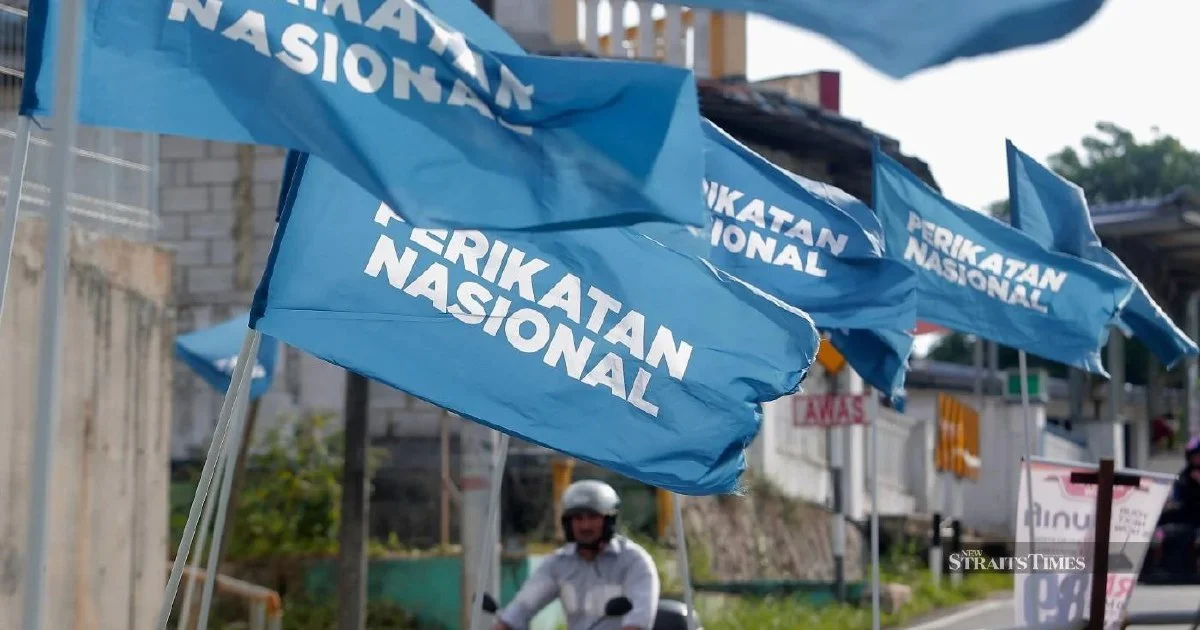
Perikatan Nasional appears determined to keep its coalition with Bersatu intact as Malaysia approaches crucial state elections in Johor and Negri Sembilan, according to political observers who see the timing as critical for preserving the opposition alliance's electoral prospects. Analysts argue that the leadership is conscious of the damage any public schism could inflict on both parties' ability to campaign effectively in the coming weeks, making this period unusually quiet diplomatically despite known disagreements between coalition partners.
The coalition's apparent prioritization of unity reflects a hardened reality in Malaysian politics: fractured opposition blocs routinely struggle to mobilize voters and convert electoral momentum into parliamentary gains. When internal conflicts dominate headlines, resources that could fund campaigns or organize grassroots outreach instead get consumed by damage control and recriminations. For a coalition seeking to expand influence in states where ruling margins may be narrow, this drain on political capital represents an existential threat.
Bersatu's continued presence within Perikatan Nasional carries particular weight given the party's historical role as a bridge between different electoral constituencies. The party controls meaningful representation in several constituencies and retains organizational capacity that would prove difficult for rivals to dislodge if the coalition were to fracture. Loss of Bersatu would require Perikatan Nasional to rebuild support networks and candidate slates in constituencies where the party currently operates, a time-consuming task when elections approach.
Johor, as Malaysia's second-most populous state and traditionally competitive ground, represents especially high stakes for both the ruling coalition and opposition alliances. Elections there generate national attention and serve as indicators of shifting voter sentiment. A strong showing strengthens claims to governance expertise; a poor result invites internal recriminations and donor skepticism. Negri Sembilan, though smaller, holds symbolic importance as a state where different coalitions have traded control, demonstrating it remains genuinely competitive territory.
The electoral calendar creates perverse incentives that sometimes lock parties into uncomfortable alliances longer than they might otherwise tolerate. Breaking point conversations typically happen after votes are counted and constituencies reassigned, when the immediate necessity of presenting a unified front dissipates. Until then, senior figures tend to contain disputes within private meetings rather than airing grievances publicly in ways that undermine campaign narratives.
Observers note that maintaining facade unity requires active management rather than passive non-interference. Party leaders must carefully calibrate their public statements to avoid contradicting coalition partners while still maintaining distinct party identities and messaging. This balancing act, though tedious, becomes essential when electoral success depends on voter turnout and coalition partners' ability to mobilize their respective bases without feeling marginalized or betrayed.
The challenge facing Perikatan Nasional reflects broader structural patterns in Malaysian coalition politics, where ambitious parties must repeatedly choose between maximizing immediate electoral advantage and maintaining longer-term alliances. Breaking coalitions early to gain tactical advantage in seat negotiations often backfires when opposition voters, sensing weakness or disunity, shift support to parties perceived as more stable or coherent.
Bersatu's position as a relative newcomer to opposition politics, despite its origins as a Barisan Nasional component, creates additional complexity. The party's trajectory—moving from government coalition to opposition bloc—shaped its voter base and organizational culture differently than established opposition parties. This distinctive political heritage makes Bersatu valuable to Perikatan Nasional even when disagreements emerge over strategy or direction.
The restraint both parties demonstrate during this pre-election window likely reflects awareness that excessive infighting energizes rival coalitions and hands them valuable ammunition for campaign messaging. In a media environment where conflict narratives travel faster than policy discussion, one poorly managed dispute can reshape how voters perceive coalition competence and stability.
Analysts expect that once immediate election cycles conclude, underlying tensions may resurface more visibly, particularly if Johor or Negri Sembilan results disappoint either partner's expectations. Victory tends to suppress complaints; defeat invariably triggers post-mortems where coalition partners assign blame and reassess whether continuing the partnership serves their interests.
For now, both Perikatan Nasional and Bersatu appear committed to weathering current disagreements without public escalation. This pragmatic restraint suggests that political actors recognize the collective cost of rupture while electoral momentum remains uncertain. Whether this détente extends beyond the state polls depends largely on results and how different parties interpret their implications for national political positioning.