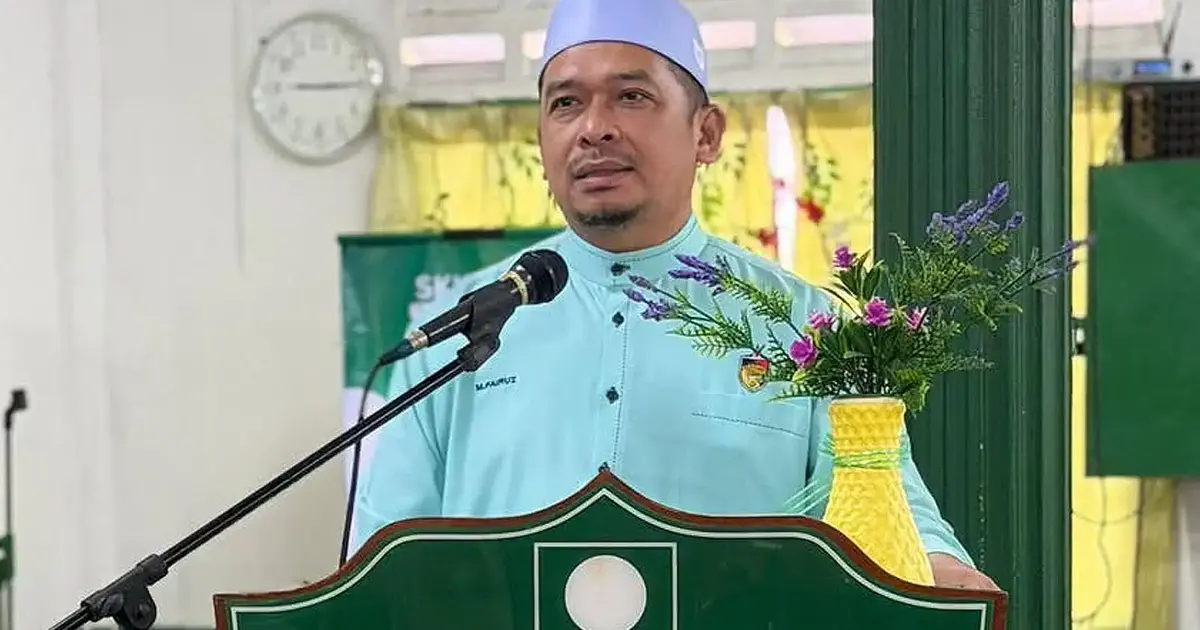
The Pan-Malaysian Islamic Party has unveiled an ambitious electoral strategy in Negeri Sembilan, with State PAS Chief Fairuz Isa declaring his party's intention to capture seats that have historically belonged to the Democratic Action Party. The targeting of these constituencies reflects a calculated political gambit based on demographic composition, specifically focusing on districts where Malay voters constitute approximately 40% of the voting population—a threshold the Islamic party believes presents genuine opportunities for electoral gains.
This strategic repositioning highlights the shifting political landscape in Negeri Sembilan, a state where traditional power dynamics between component parties of the ruling coalition have remained relatively stable. The PAS initiative suggests growing confidence within the party's machinery and represents a departure from previous arrangements where seat allocations were often settled through coalition negotiations rather than contested openly. Fairuz Isa's public pronouncement of these ambitions signals that PAS intends to compete vigorously rather than accept assigned constituencies without contest.
The focus on constituencies with substantial Malay voting blocs reflects sophisticated electoral mathematics. Negeri Sembilan's demographic patterns show pockets of Malay concentration alongside significant non-Malay populations, particularly in urban and semi-urban areas. By targeting constituencies where Malay voters form a substantial but not overwhelming majority, PAS appears to be identifying terrain where traditional DAP support might be vulnerable to inroads among Malay-Muslim communities. This approach suggests the party believes it can mobilise Malay voters away from the opposition while simultaneously appealing to PAS's core base.
DAP's historical dominance in certain Negeri Sembilan constituencies represents decades of consolidation through community work, grassroots organisation, and consistent electoral performance. The party has built institutional presence and voter loyalty across multiple constituencies, making any challenge substantial. However, PAS's targeting strategy acknowledges that demographic shifts, changing political preferences, and evolving voter sentiment—particularly among Malay communities—have created openings for new competitive challenges. The party's willingness to articulate these targets publicly suggests organisational preparation and confidence in ground-level mobilisation capacity.
For Malaysia's broader political equilibrium, this manoeuvre carries implications beyond Negeri Sembilan's borders. Competition between PAS and other coalition partners over seat allocations and electoral territory has periodically strained national partnerships. The Perikatan Nasional component's aggressive positioning in state polls could influence dynamics within federal ruling arrangements, particularly if PAS registers significant electoral victories. Such outcomes might alter power calculations within the national government and reshape coalition compositions.
The electoral landscape in Negeri Sembilan remains fluid. While PAS has articulated its targets, converting stated ambitions into actual electoral victories requires sustained campaign execution, effective messaging that resonates with target constituencies, and tactical discipline throughout the polling period. DAP will undoubtedly mobilise its resources to defend traditionally held seats, leveraging incumbent advantages and established voter networks. The coming electoral contest will test whether demographic composition alone suffices to shift political allegiances, or whether institutional strength and voter loyalty prove more determinative.
PAS's strategic clarity also reflects the party's broader positioning within Malaysian politics. As an Islamist party with significant rural support bases and expanding urban presence, PAS has sought to broaden its appeal beyond traditional constituencies. Competing for seats in more mixed demographics represents part of this expansion strategy. Success in Negeri Sembilan would validate the party's broader approach and potentially encourage similar initiatives in other state elections, intensifying competition across Malaysia's political landscape.
The implications for Malaysian voters in Negeri Sembilan are substantive. Increased electoral competition generally translates to more intensive campaigning, greater responsiveness to voter concerns, and clearer articulation of policy positions by contesting parties. Constituencies targeted by PAS will likely experience vigorous political engagement as both PAS and DAP mobilise resources and personnel. Voters in these areas will have enhanced opportunities to evaluate competing visions and platforms, though this also means exposure to more contentious political messaging.
From a regional perspective, PAS's targeting strategy reflects patterns visible across Southeast Asian politics where Islamic parties and secular-nationalist movements compete for voter loyalty in multi-ethnic democracies. The outcome in Negeri Sembilan may offer instructive lessons about the relative competitiveness of different party brands among Muslim-majority populations and how demographic composition interacts with institutional strength and voter preferences. This contest thus carries significance beyond Malaysia, offering comparative insights into religious party positioning and electoral dynamics in the broader region.