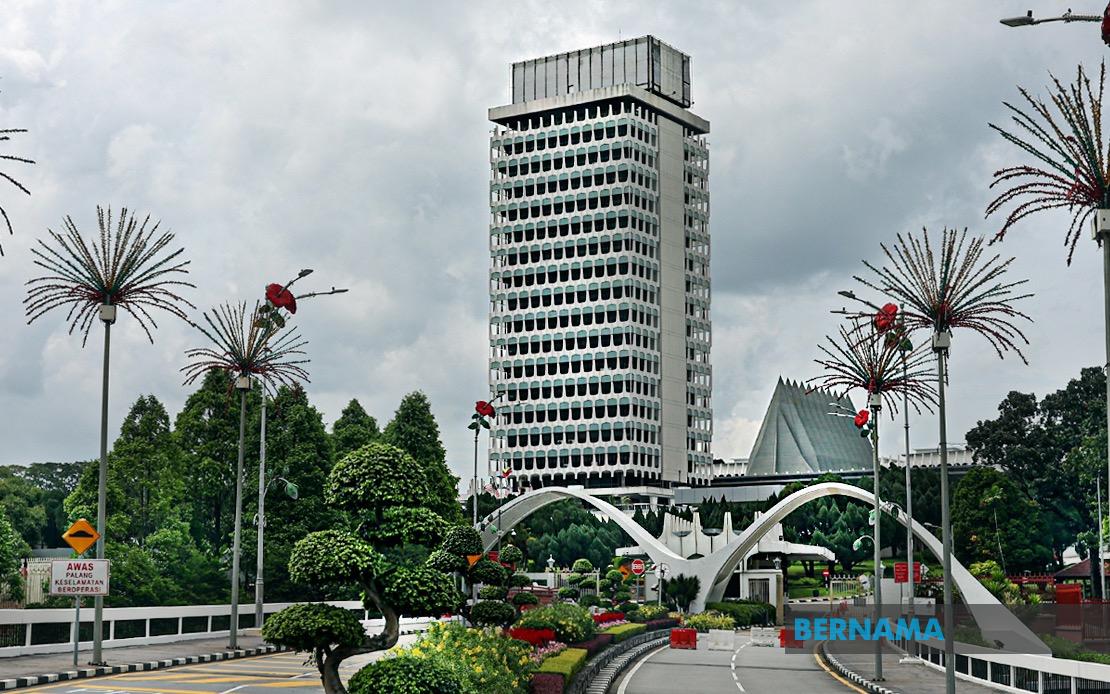
Malaysia's parliament sits today with significant focus on the nation's diplomatic positioning following announcements of a proposed Memorandum of Understanding between the United States and Iran aimed at de-escalating military tensions in West Asia. The Dewan Rakyat has scheduled multiple ministerial questions that will probe how Kuala Lumpur intends to navigate this complex geopolitical development and what concrete measures the government will pursue to support regional stability.
Datuk Mohd Isam Mohd Isa, the Barisan Nasional representative from Tampin, will open the questioning during Minister's Question Time, which begins at 10 am. His query to the Foreign Minister will examine the substantive steps Malaysia plans to undertake in response to the mooted peace accord, underscoring parliamentary interest in ensuring that any regional settlement translates into lasting peaceful outcomes. This line of inquiry reflects growing concern among legislators that Malaysia, as a significant Southeast Asian actor and bridge-building nation, must articulate a clear position rather than remain passive during moments of international consequence.
The broader context of this questioning matters considerably for regional observers. Malaysia has traditionally positioned itself as a voice for dialogue in Middle Eastern affairs, hosting various peace initiatives and maintaining diplomatic channels across sectarian divides. The emergence of a potential US-Iran framework therefore carries implications for Malaysia's own diplomatic credibility and its ability to influence outcomes affecting maritime security, trade routes, and the stability of Muslim-majority populations across the region. Parliament's interest in this matter signals that lawmakers are attuned to these strategic dimensions.
Beyond foreign policy, the Dewan Rakyat will also examine domestic priorities. Datuk Rosol Wahid from Perikatan Nasional representing Hulu Terengganu will question the Minister of Domestic Trade and Cost of Living about the MADANI Mart initiative, which represents the government's effort to provide affordable goods through strategically located retail outlets. His enquiry will seek updated figures on the number of operational stores, applications in the pipeline, and the profile of entrepreneurs participating in the scheme. This scrutiny comes at a time when Malaysians face persistent cost-of-living pressures, making the effectiveness of such programs a legitimate focus of parliamentary oversight.
The MADANI Mart programme stands as a flagship initiative under the government's broader cost-of-living agenda. Understanding its trajectory—how many outlets have actually opened, whether applications are progressing smoothly, and whether the entrepreneurial ecosystem is functioning equitably—matters for assessing whether the government's stated commitment to affordability translates into tangible results. Parliamentary questions serve as a mechanism to hold the ministry accountable and provide transparency to citizens wondering whether this initiative is delivering promised benefits.
Another critical domestic issue will surface when Khoo Poay Tiong, the Pakatan Harapan legislator from Kota Melaka, raises questions about synthetic drug addiction trends and government strategy. Specifically, he will probe data on addiction cases recorded since 2023 and governmental responses to the escalating threat of fentanyl, a particularly lethal opioid that has devastated communities across North America and increasingly appears in Asian markets. This inquiry underscores the transnational nature of drug threats and the urgency with which Southeast Asian governments must coordinate prevention and enforcement efforts.
The fentanyl dimension deserves particular attention for Malaysian readers. Unlike traditional opioids, fentanyl requires only minuscule quantities to produce profound effects, and it is often mixed into other drugs without user awareness, dramatically increasing overdose risks. As a transit hub and consumer market, Malaysia faces real exposure to this threat. Parliamentary scrutiny of government preparedness and data transparency on addiction trends therefore serves the public interest by ensuring authorities possess adequate resources and strategies to combat this evolving menace.
Trade matters will also occupy parliamentary attention. Datuk Seri Hamzah Zainudin from Perikatan Nasional, representing Larut, will ask the Minister of Investment, Trade and Industry about implementation progress on the Agreement on Reciprocal Trade between Malaysia and the United States. This bilateral arrangement carries significance for Malaysian exporters, manufacturers, and workers whose livelihoods depend on access to American markets. Parliamentary oversight of its implementation ensures that any commitments made are actually being executed and that Malaysian interests are adequately protected within the agreement's framework.
The reciprocal trade agreement with the United States represents a substantial commitment with implications extending beyond simple commerce. Such arrangements often involve regulatory harmonisation, intellectual property considerations, and labour standards that affect entire sectors of the Malaysian economy. Parliamentary questioning ensures that implementation is transparent and that any unintended consequences or bottlenecks are identified and addressed promptly, protecting the interests of Malaysian businesses and workers.
Beyond the question-and-answer session, three pieces of legislation are scheduled for first reading. The Prisons (Amendment) Bill 2026 will address matters within the correctional system, while the Competition (Amendment) Bill 2026 and the Competition Commission (Amendment) Bill 2026 together represent the government's effort to refine Malaysia's competition framework. These bills indicate ongoing legislative attention to institutional modernisation and market functioning, though detailed scrutiny of their implications will occur during subsequent readings.
The simultaneous tabling of competition-related amendments suggests the government recognises that Malaysia's regulatory environment must evolve to maintain competitiveness and protect consumers from anti-competitive practices. These bills may address emerging challenges in digital markets, merger control, or enforcement mechanisms that existing frameworks inadequately handle. Their progression through parliament will warrant close attention from business communities and consumer advocates alike.
Today's parliamentary session encapsulates the multiple domains demanding governmental attention and legislative oversight—foreign policy complexity, domestic cost-of-living pressures, public health threats, trade competitiveness, and institutional modernisation. The range of questions and bills reflects a parliament engaged with substantive governance challenges affecting Malaysian citizens' daily lives and the nation's international standing. These discussions will generate public record of government positions and commitments, creating accountability benchmarks against which future performance can be measured.