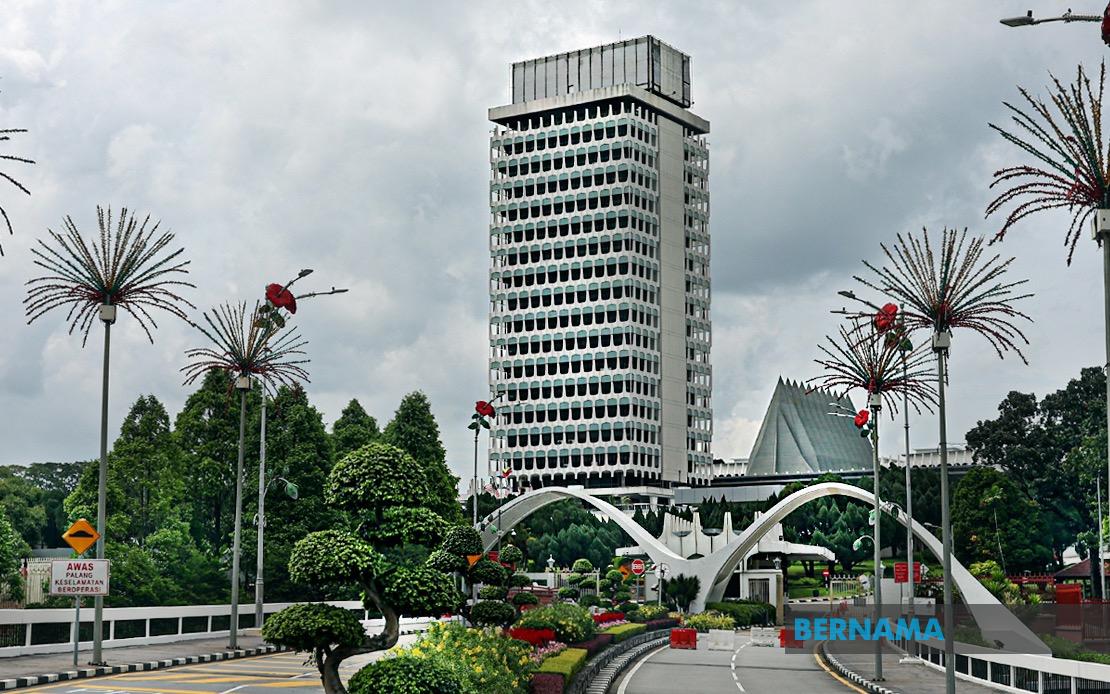
Lawmakers gathering in the Dewan Rakyat today will tackle three significant policy areas spanning infrastructure resilience, consumer protection, and digital regulation, reflecting mounting pressure on the government to address water scarcity, market fairness, and child online safety. The parliamentary sitting, which runs through July 16, places these cross-cutting issues at the centre of legislative scrutiny during Question Time and wider debate, signalling their prominence in the national policy agenda.
Water security remains an acute concern for Malaysia's most populous state. Suhaizan Kaiat, the Pulai representative from Pakatan Harapan, will press the Energy Transition and Water Transformation Minister to articulate a comprehensive roadmap for bolstering Johor's water infrastructure to cope with surging demand. His questions will focus on the government's timeline and resource commitment for building new dams, upgrading water treatment capacity, and scaling up recycled water systems—a trio of interventions considered essential for a state facing periodic supply strain. The issue resonates beyond Johor; many Malaysian states confront similar demographic and climate pressures, making the government's response a bellwether for broader resilience planning across the peninsula.
The inquiry underscores deepening concerns about water sustainability in Southeast Asia's fastest-urbanising regions. Population growth, industrial expansion, and shifting rainfall patterns have squeezed traditional supplies, forcing authorities to diversify sources and invest heavily in alternative technologies. Recycled water, once viewed skeptically, has gained acceptance as part of a portfolio approach to security, particularly in water-stressed zones. Johor's experience and the solutions deployed there will likely inform strategies in neighbouring states and offer lessons for the wider region grappling with similar constraints.
A second major line of questioning addresses the robustness of Malaysia's competition enforcement architecture. Datuk Seri Ismail Abd. Muttalib, representing Maran under Perikatan Nasional, will ask the Domestic Trade and Cost of Living Minister what steps the government is taking to equip the Malaysia Competition Commission with stronger tools to surveil and curtail price manipulation in the residential property market. Housing affordability has become a flashpoint for public discontent across Malaysia, with suspicions that developers and agents engage in anti-competitive behaviour to sustain inflated prices and suppress genuine competition.
MyCC's mandate to investigate suspected collusion, including price-fixing and market allocation schemes within the property sector, faces resource and political constraints. Ismail's questions will probe how rigorously the commission executes these investigations and whether it possesses adequate powers to deter wrongdoing. The inquiry implicitly challenges whether current regulatory frameworks are fit for purpose in a market where opacity and information asymmetries favour large players. Strengthening MyCC could mean allocating additional funding, simplifying enforcement procedures, or clarifying its authority to impose penalties—measures that carry real implications for market competition and consumer welfare across the region.
The third pillar of today's parliamentary agenda concerns age verification for social media platforms, an issue gaining traction globally as governments respond to evidence of harm to minors online. Syahredzan Johan, the Bangi legislator from Pakatan Harapan, will interrogate the Communications Ministry on the rationale behind age verification schemes and, crucially, on the safeguards protecting personal data collected by licensed service providers executing these checks. His focus on data minimisation—ensuring providers access only essential attributes and delete information once verification concludes—reflects international best practice and privacy principles increasingly embedded in regional frameworks like the proposed ASEAN digital governance standards.
The data protection angle is particularly relevant for Malaysia, where the Personal Data Protection Act remains the primary instrument governing corporate handling of citizen information. Questions about how age verification platforms will operate without creating surveillance risks or enabling data brokers to accumulate profiles hint at tensions between child safety imperatives and privacy rights. Southeast Asian lawmakers across the region confront similar dilemmas: how to shield young people from exploitative content and predatory contact without allowing mission creep or normalising mass data collection. The Communications Ministry's response may set precedent for how Malaysia balances these competing goods.
Parliament's focus on these three domains also reflects evolving expectations about government's role in managing market failures and social harms that markets alone do not address. Water as a public good requires long-term planning and capital investment beyond private sector incentives; housing markets plagued by anti-competitive practices demand robust, independent arbiters; and digital platforms' externalities affecting minors call for regulatory frameworks that private companies will not self-impose. The willingness of legislators from both government and opposition to press ministers on these fronts suggests a degree of cross-party consensus that these challenges merit serious attention.
The 16-day sitting commencing today also provides a platform for broader legislative business, including possible tabling of bills and motions on related themes. Water security, competition policy, and digital regulation will likely feature in wider parliamentary discourse beyond Question Time, potentially influencing future legislative agendas. For Malaysian citizens and observers across Southeast Asia monitoring governance trends, today's session offers a window into how the country's lawmakers prioritise urgent infrastructure, consumer, and social challenges amid competing demands on national resources and political capital.