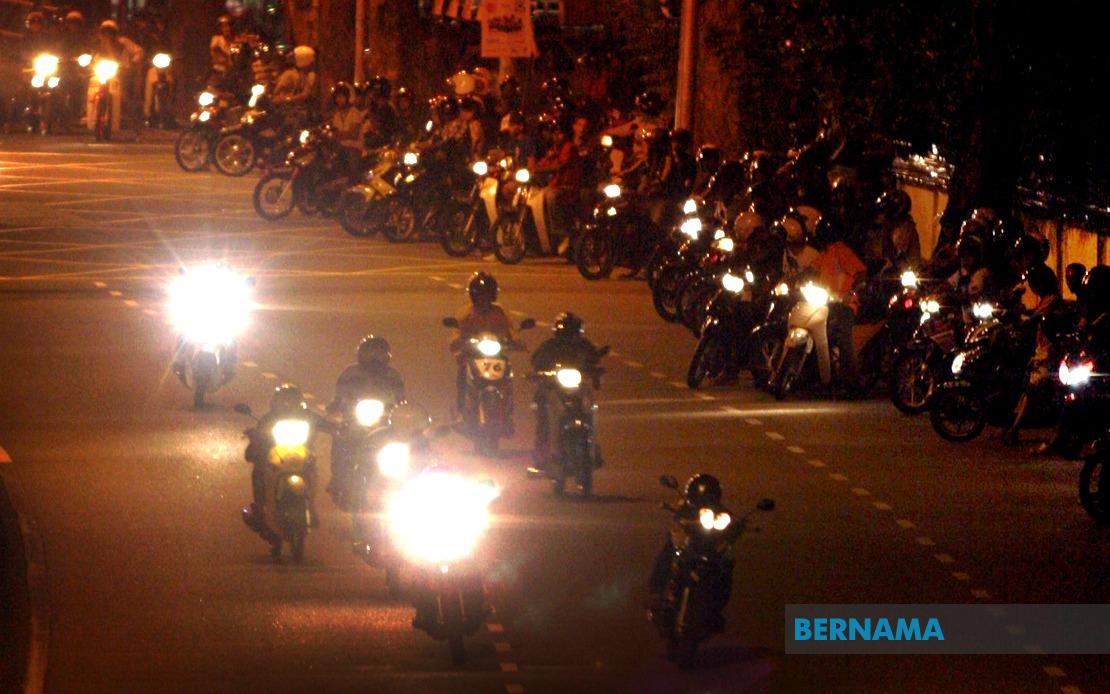
Parliament moved to strengthen the nation's response to the persistent problem of illegal street racing on June 23, with Members of Parliament from across the political spectrum advocating for a comprehensive crackdown during debate on the Road Transport (Amendment) Act 2026. The discussion revealed growing concern about the dangers posed by unlicensed racing activities, particularly following a fatal incident in Simpang Renggam, Johor that claimed multiple lives and involved high-performance vehicles.
The scale of suggested reforms reflects the mounting toll that illegal racing takes on Malaysian road safety. Khairil Nizam Khirudin, representing Jerantut, emphasised that punitive measures alone prove insufficient without parallel rehabilitation efforts to reshape offender behaviour. His proposal centred on establishing a dedicated rehabilitation scheme that would combine disciplinary training with structured community service, creating pathways for offenders to reintegrate into society whilst demonstrating genuine commitment to safer conduct.
The question of accountability extends beyond individual offenders under one proposed framework. Khairil Nizam suggested that parents of racing participants should face legal consequences, recognising that family structures play a formative role in youth behaviour and decisions. This intergenerational accountability approach aims to mobilise household-level pressure against participation in illegal street racing, treating the problem as a community responsibility rather than purely a law enforcement challenge.
The modification of vehicles to enable illegal racing emerged as a critical enforcement gap requiring new legislative approaches. Khairil Nizam advocated for closer coordination between the Ministry of Transport and the Ministry of Domestic Trade and Cost of Living, potentially leveraging existing provisions under Section 66 of the Road Transport Act 1987 to target workshops that illegally alter motorcycles. Without disrupting the legitimate automotive aftermarket, authorities could develop new regulations specifically targeting modifications designed to facilitate racing activities.
Datuk Willie Mongin from Puncak Borneo advocated for permanent licence revocation as a career-ending consequence for illegal racers, arguing that existing fines and imprisonment terms fail to convey governmental seriousness about the issue. He proposed minimum penalties of RM300,000 in fines or five years' imprisonment coupled with lifelong driving licence cancellation, creating irreversible consequences that extend far beyond the initial legal sentence and reshape the cost-benefit calculation for potential offenders.
The scope of enforcement has expanded beyond motorcycles following recent tragedies. Wan Razali Wan Nor highlighted that high-powered cars present an equally serious threat, referencing the Simpang Renggam accident as evidence that luxury vehicle racing produces comparably catastrophic outcomes. He urged that provisions under Section 42A apply comprehensively across all vehicle categories, ensuring that wealthier offenders cannot exploit regulatory gaps designed primarily around motorcycle enforcement.
Shaharizukirnain Abd Kadir proposed that excessively modified motorcycles should face mandatory destruction rather than return to owners, eliminating the temptation for continued illegal activity and preventing these purpose-built racing machines from circulating within the underground racing community. This asset-seizure approach attacks the infrastructure enabling illegal racing activities rather than merely penalising individual participants.
The parliamentary discussion simultaneously tackled the interconnected problem of impaired driving. Multiple MPs highlighted gaps in compensation mechanisms for victims injured by drivers operating vehicles under alcohol or drug influence. Zahari Kechik proposed strengthening Sections 44 and 45A-45C of the Road Transport Act 1987 to establish formal compensation frameworks covering hospital expenses and victim welfare, ensuring that offenders bear full financial responsibility for injuries they cause.
Datuk Seri Dr Ismail Abd Muttalib complemented these proposals by calling for enhanced enforcement mechanisms addressing drink and drug driving. He recognised that legislative provisions mean little without consistent police action and court application, advocating for the practical strengthening of existing provisions to reduce fatal accidents involving intoxicated drivers. The integration of victim compensation into the legal framework represents a philosophical shift from purely punitive to restorative approaches.
The breadth of cross-party participation, with 24 government and opposition MPs contributing, underscores the national consensus that illegal racing demands urgent legislative response. The debate touched on gambling-related offences connected to racing, broadening the scope of street racing beyond simple traffic violations to encompass organised criminal activity. This recognition positions illegal racing within a wider framework of organised crime rather than treating it as isolated individual misconduct.
For Malaysian drivers and families, these proposals signal a potential transformation in road safety enforcement. The combination of permanent licence revocation, rehabilitation pathways, vehicle seizure, and victim compensation mechanisms represents a more holistic strategy than previous approaches. However, implementation success depends on sufficient police resources, court capacity, and government funding for rehabilitation programmes, presenting practical challenges that parliament must resolve as the amendments progress.
The Road Transport Amendment Act 2026 continues debate in subsequent parliamentary sessions, meaning these proposals remain subject to refinement and negotiation. The Malaysian government faces the challenge of crafting legislation stringent enough to deter participation whilst proportionate enough to withstand legal scrutiny. For Southeast Asian readers, Malaysia's approach may inform similar debates in neighbouring jurisdictions grappling with comparable street racing epidemics and road safety concerns.