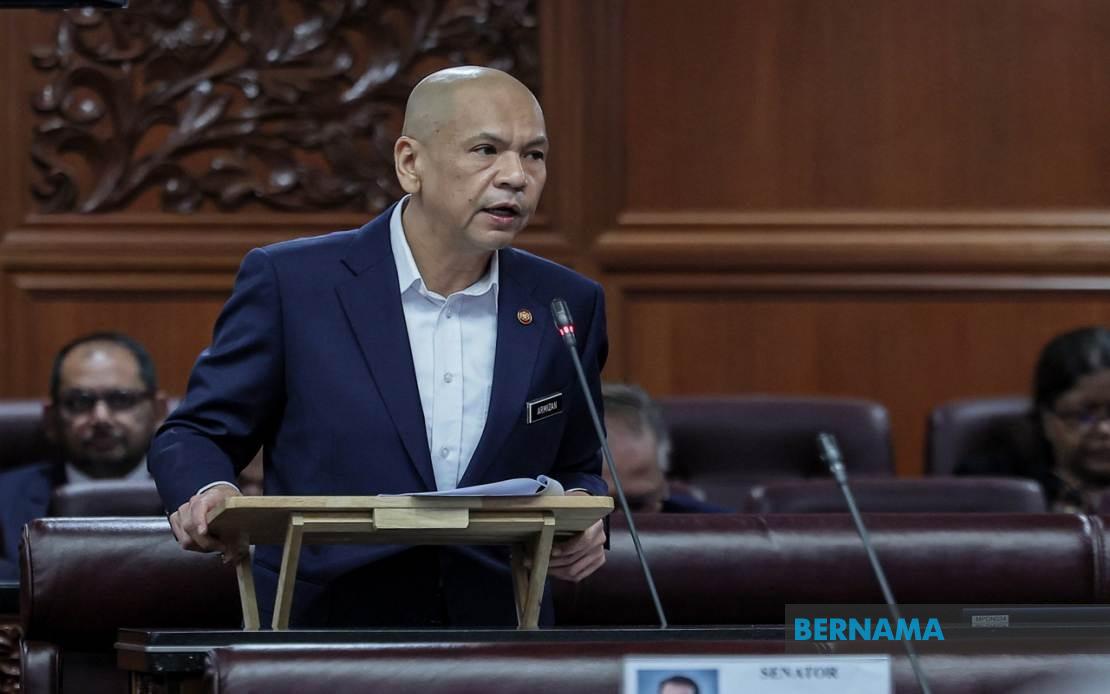
Malaysia's parliament has set the stage for significant reforms to its competition regulatory framework by advancing two major amendment bills through their initial legislative hurdle. Tabled on June 23 by Datuk Armizan Mohd Ali, the minister overseeing the Domestic Trade and Cost of Living Ministry, both the Competition (Amendment) Bill 2026 and the Competition Commission (Amendment) Bill 2026 have cleared first reading in the Dewan Rakyat, with second reading scheduled during the current parliamentary session. These companion pieces of legislation represent a comprehensive modernisation effort designed to equip Malaysia's competition authorities with sharper enforcement tools and clearer institutional frameworks as the economy continues to evolve.
The Competition (Amendment) Bill 2026 targets the foundational legislation that has governed Malaysia's competition landscape for over a decade. Rooted in the Competition Act 2010, the original framework established baseline protections against anti-competitive conduct, but regulators and policymakers have identified gaps that require attention. The reforms now proceeding through parliament seek to fortify the investigative capabilities and enforcement muscle of the Malaysia Competition Commission, the statutory body responsible for safeguarding market competition. Beyond bolstering MyCC's operational powers, the amendments also propose to streamline internal decision-making processes and clarify the jurisdiction and authority of the Competition Appeal Tribunal, which handles disputes arising from MyCC determinations.
One of the most consequential shifts embedded in Clause 3 involves a substantial expansion of the competition law's territorial and sectoral reach. Under current law, the Competition Act 2010 applies primarily to commercial activities, a limitation that has occasionally left certain economic sectors outside the enforcement perimeter. The proposed amendment would extend the law's application to encompass all economic activities, regardless of classification. For Malaysia's consumers and businesses, this change carries meaningful implications, as it closes potential loopholes that might otherwise allow anti-competitive practices to flourish in sectors previously considered outside the competition framework's scope. Such breadth is increasingly common in mature competition regimes globally, reflecting recognition that competitive discipline benefits the entire economy.
Clause 7 of the amendment bill grants MyCC the authority to demand information and documents from individuals and government entities alike during market reviews conducted under the Act. This provision addresses a practical friction point that competition authorities frequently encounter: gathering comprehensive market data often requires cooperation from both private sector players and public sector agencies. By explicitly empowering MyCC to compel such disclosures, the amendment removes ambiguity and potential obstruction, enabling the regulator to conduct more thorough and evidence-based assessments of how competitive dynamics are functioning within specific industries. For regulators charged with protecting consumer interests, this represents a meaningful upgrade in investigative capacity.
The bills also introduce stricter penalties for market participants who attempt to thwart regulatory action. Clause 13 creates a new criminal offence targeting individuals or entities that intentionally destroy, conceal, deface, or alter data or materials with the purpose of deceiving MyCC or hampering its investigations and enforcement operations. This provision directly addresses witness tampering and evidence destruction, conduct that undermines the integrity of enforcement actions. By explicitly criminalising such behaviour, the legislation signals that regulatory sabotage carries serious consequences, a deterrent that should discourage market actors from attempting to obstruct competition investigations through document destruction or other concealment tactics.
The companion bill addressing the Competition Commission Act 2010 refines the institutional architecture governing MyCC's operations and accountability. Clause 8 elaborates on MyCC's advisory function, clarifying its mandate to counsel the minister, public authorities, and regulatory bodies on competition implications embedded in proposed policies, procedures, and programmes. This elevates the role of competition analysis in government decision-making, ensuring that public sector actions are evaluated through a competitive lens before implementation. For consumers and the broader economy, this represents an important safeguard against inadvertent regulatory choices that might entrench monopolies or restrict competition.
Clause 10 addresses internal resource deployment within MyCC by permitting the commission to delegate its functions and powers to the chairman, committees, officers, or employees. While delegation authority might appear procedural, it carries genuine operational significance. Competition enforcement requires rapid responses to emerging anti-competitive conduct, and granting flexibility for internal delegation enables MyCC to allocate responsibilities efficiently and react swiftly to market developments without requiring formal commission proceedings for every operational decision. This flexibility should enhance the regulator's responsiveness in real-world enforcement scenarios.
Perhaps the most symbolically significant change appears in Subclause 12(a), which proposes that MyCC officer appointments be made by the commission itself based on recommendations from the chief executive officer, rather than through alternative appointment mechanisms. This reform strengthens institutional independence and transparency in staffing decisions. By placing appointment authority within MyCC's own structure, the amendment reduces external political influence over personnel decisions and concentrates accountability for hiring quality within the commission itself. For businesses navigating competition regulation, this change theoretically enhances confidence that enforcement decisions reflect professional judgment rather than political favour.
These legislative changes arrive at a moment when Malaysia's competition landscape faces evolving pressures. As e-commerce, digital services, and global supply chains reshape how markets function, competition authorities require updated tools and clarity about their jurisdictional reach. The amendments respond to these structural shifts by modernising both the substantive law and the institutional framework through which it is enforced. Regulators across Southeast Asia have undertaken similar reforms in recent years, reflecting a regional understanding that competition law must evolve alongside economic transformation.
From a regional perspective, Malaysia's competition law reforms carry implications beyond national borders. Southeast Asian economies increasingly operate within integrated supply chains and cross-border digital markets, meaning that competition decisions in one jurisdiction can influence outcomes in neighbouring countries. By strengthening MyCC's investigative powers and clarifying its institutional independence, Malaysia positions itself as a serious competition enforcer within the region, potentially encouraging similar reforms elsewhere and contributing to more consistent competitive standards across ASEAN.
The legislative timeline now requires the bills to navigate second reading and committee scrutiny before final passage. While the government's parliamentary majority suggests passage is likely, the detailed examination during these stages may produce refinements or clarifications to specific provisions. Industry stakeholders, consumer advocates, and businesses subject to competition law will be monitoring these proceedings closely, as the final form of these amendments will meaningfully affect how competition enforcement operates in Malaysia over the next decade and beyond.