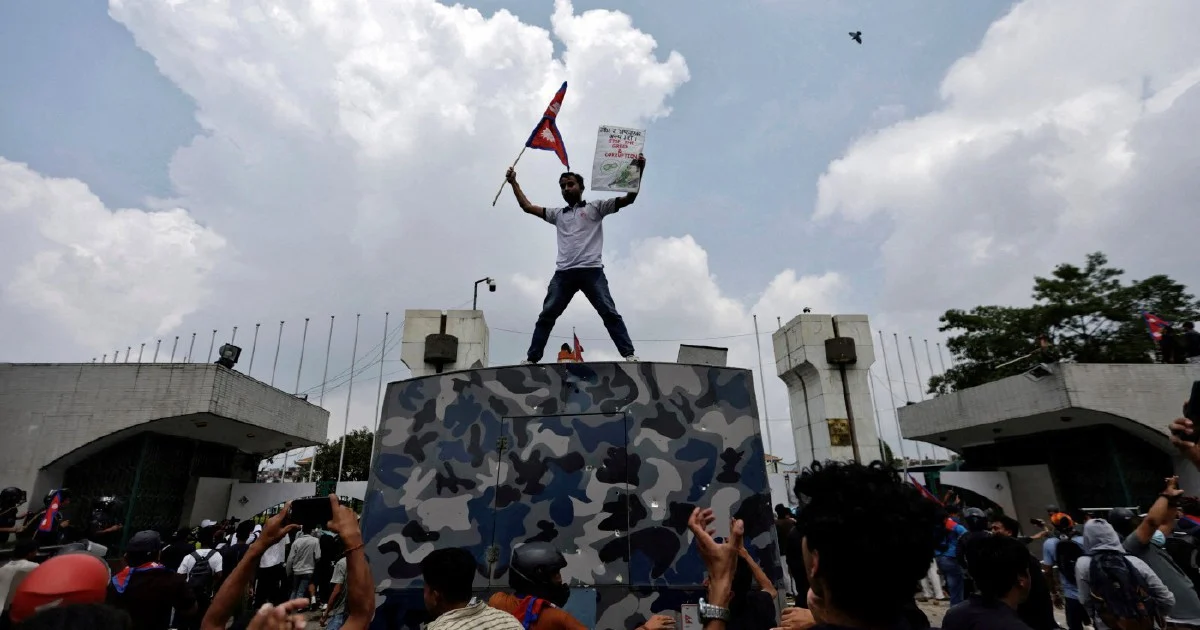
The arrest of Bishnu Prasad Paudel, who previously served as Nepal's finance minister, marks another significant development in the Himalayan nation's expanding campaign against financial misconduct. Police in Kathmandu detained the senior administrator late Monday evening after investigators identified him as a subject in a money laundering inquiry, signalling that the country's relatively new Gen Z-influenced leadership remains committed to pursuing high-profile corruption cases across multiple government agencies.
Paudel's detention underscores the broader anti-corruption agenda that has increasingly characterized Nepal's current administration since taking office. The government has positioned itself as fundamentally distinct from its predecessors, with younger party members and newer political voices pushing for accountability measures that target officials from earlier regimes. This generational shift in governance has created political space for prosecutions that might have faced institutional resistance in previous years, reflecting a popular mandate for transparency.
The charges against Paudel specifically centre on alleged money laundering activities, which law enforcement authorities believe occurred either during his tenure in the finance portfolio or in relation to financial dealings involving state resources. Details regarding the specific transactions or amounts under investigation remain limited at this stage, though police confirmed they are examining multiple financial flows and asset transfers. Such cases often take months or years to fully unwind, given the complexity of tracing illicit funds through various channels and jurisdictions.
Nepal's financial system has long struggled with weak institutional safeguards against illicit money movements, creating vulnerabilities that both domestic and international actors have exploited. The country's informal economy remains substantial, and cross-border remittances—a major income source for many Nepali families—can be difficult to monitor comprehensively. These structural challenges make money laundering investigations technically demanding, requiring coordination between banking regulators, customs authorities, and international partners to establish clear audit trails.
The timing of Paudel's arrest reflects a political calculation by the current administration, which benefits electorally from demonstrating decisive action against figures associated with previous governments. Nepal has experienced rapid political turnover, with multiple administrations serving brief tenures over the past decade. Each transition has created opportunities for newly dominant coalitions to investigate their predecessors, occasionally raising questions about whether such prosecutions serve genuine accountability or serve primarily as tools for political advantage.
For Malaysia and other regional economies, Nepal's approach offers both instructive examples and cautionary notes regarding anti-corruption campaigns. Southeast Asian nations including Malaysia have similarly grappled with balancing legitimate efforts to recover stolen assets or prosecute financial crimes against risks that such initiatives could be weaponized for partisan purposes. The credibility of any anti-corruption program depends heavily on consistent application of standards across political lines and protection of investigative independence from executive pressure.
Nepal's finance ministry has historically faced scrutiny regarding budget management, revenue collection, and expenditure oversight. Previous administrations have faced allegations of misallocating development funds, under-reporting revenues, or facilitating illicit financial flows through state enterprises. Paudel's portfolio during his service would have provided access to substantial fiscal levers and decision-making authority over budget allocations, making the finance ministry a high-value target for investigators reviewing past conduct.
The international dimension of money laundering investigations adds complexity to Nepal's prosecution efforts. Illicit funds often flow through multiple countries and banking systems before reaching their final destination or being repatriated. The Financial Action Task Force and other international bodies have periodically raised concerns about Nepal's compliance with anti-money laundering standards, though the government has made progressive improvements in recent years. Successful prosecution of high-profile cases typically requires cross-border cooperation with intelligence agencies and financial regulators in other nations, demanding resources and diplomatic coordination that smaller countries often strain to maintain.
Paudel's case will likely generate significant legal proceedings, with questions emerging around evidence collection methods, asset seizure protocols, and due process protections. Nepal's judiciary has gradually strengthened institutional independence, though concerns persist regarding political influence on high-profile cases. Defence lawyers may contest investigative procedures or argue that authorities overstepped their authority in acquiring evidence, potentially creating lengthy litigation timelines before any final resolution.
The broader implications for Nepal's governance extend beyond this single case. A sustained anti-corruption effort, if pursued consistently and transparently, could strengthen institutional credibility and potentially attract increased foreign investment by signalling improved regulatory discipline. However, if investigations appear selective or politically motivated, they risk reinforcing public cynicism about the judicial system and governance more broadly. The Gen Z-led administration faces the considerable challenge of maintaining legitimate accountability efforts while avoiding the appearance of weaponized prosecution.
For regional observers in Malaysia and elsewhere across Southeast Asia, the Nepal situation underscores the importance of institutional design in anti-corruption work. Independent prosecutorial authority, professional investigative standards, and judicial oversight mechanisms significantly influence whether anti-corruption campaigns succeed in recovering assets and deterring future misconduct, or instead descend into cycles of tit-for-tat political prosecutions that ultimately corrode institutional legitimacy.