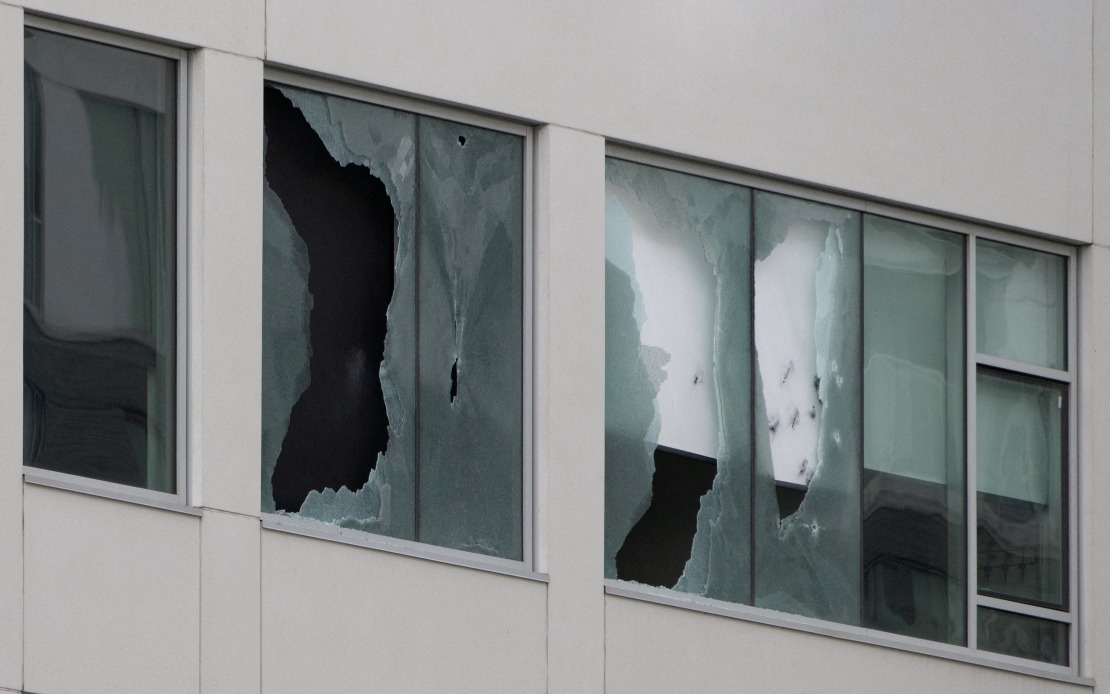
A tragic shooting in Montreal has left three people dead, among them a serving police officer whose death has prompted an outpouring of grief from law enforcement agencies across Canada. The incident, which unfolded on Monday in the city's Côte-des-Neiges neighbourhood, also claimed the life of a civilian resident and the suspected gunman, whose actions culminated in a fatal encounter with police responders.
Montreal police confirmed the fatality of the officer through a statement posted on social media platform X, expressing deep sorrow at the loss of one of their own who died in the line of duty. The circumstances surrounding the confrontation emerged gradually as authorities gathered information from the scene and interviewed witnesses. Two additional individuals sustained injuries during the incident, including another police officer whose condition subsequently improved and no longer posed life-threatening concerns, according to a police spokesman's statement.
The sequence of events began when police received reports of an armed suspect in the residential area, prompting officers to establish a perimeter and alert nearby residents to the danger at hand. Montreal police chief Fady Dagher disclosed to reporters that responding officers encountered gunfire as soon as they arrived to confront the suspect. The shooter, identified by authorities as acting independently without accomplices, was successfully neutralised through police action at the scene, though details of the exact engagement remain under investigation.
Official investigators have ruled out any connection to terrorism or ideologically motivated attacks, substantially narrowing the investigation's scope. Authorities confirmed that no additional suspects remain at large, suggesting a contained incident rather than part of a coordinated operation. The emergency alert system, which had warned residents across the Côte-des-Neiges area to shelter indoors and secure their residences, was subsequently lifted as the situation came under control.
Media reports suggest the gunman may have left behind written material containing language consistent with incel ideology, a predominantly online movement rooted in anti-feminist sentiment and misogynistic worldviews. Incels—a term derived from involuntary celibacy—represent a decentralised community whose members often harbour deep resentment toward women and society more broadly. However, security authorities have not yet officially confirmed these claims or provided details about the manifesto's contents and its relevance to the attack's motivation.
The incident represents a sobering reminder of the dangers inherent in police work across North America, where officers regularly respond to armed situations without knowing the precise threat level they will encounter. The death of the Montreal officer adds to the ongoing conversation about officer safety and the psychological toll of confronting violent suspects. Fellow police agencies and community leaders have likely begun formal condolences and investigations into whether warning signs existed before the incident.
From a regional perspective, the shooting underscores the prevalence of online radicalisation and extremist ideologies that transcend international borders, affecting societies across North America and beyond. Malaysia and Southeast Asian nations have grappled with similar challenges concerning online-driven extremism and the radicalisation of individuals through digital platforms. The Montreal incident provides a cautionary case study for security authorities worldwide monitoring the incel movement's potential to inspire violence.
The Côte-des-Neiges neighbourhood, known as a diverse residential area in Montreal, faced disruption and fear during the police response. Residents were instructed to remain indoors and lock their doors during the active emergency, causing uncertainty and anxiety throughout the community. The experience highlights how even geographically contained incidents can create widespread apprehension among civilians, particularly when armed suspects remain at large.
As the investigation progresses, authorities will likely examine the suspect's digital footprint, communications, and any grievances or manifestos in detail to understand the underlying motivations. The involvement of potential incel ideology signals a shift in the nature of domestic violence threats, moving from traditional organised crime or political extremism toward individualised grievances amplified by online communities. Security experts across multiple jurisdictions are increasingly concerned about this trajectory of radicalisation.
The loss of life, particularly the death of a serving police officer, carries profound implications for Montreal's law enforcement community and the broader Canadian public discourse around gun violence and extremism. The incident will likely prompt discussions about threat assessment, de-escalation procedures, and the adequacy of current responses to online-driven radicalisation. For Malaysia's security agencies and policymakers, the case offers insights into emerging threat patterns and the importance of monitoring online communities that promote violence.