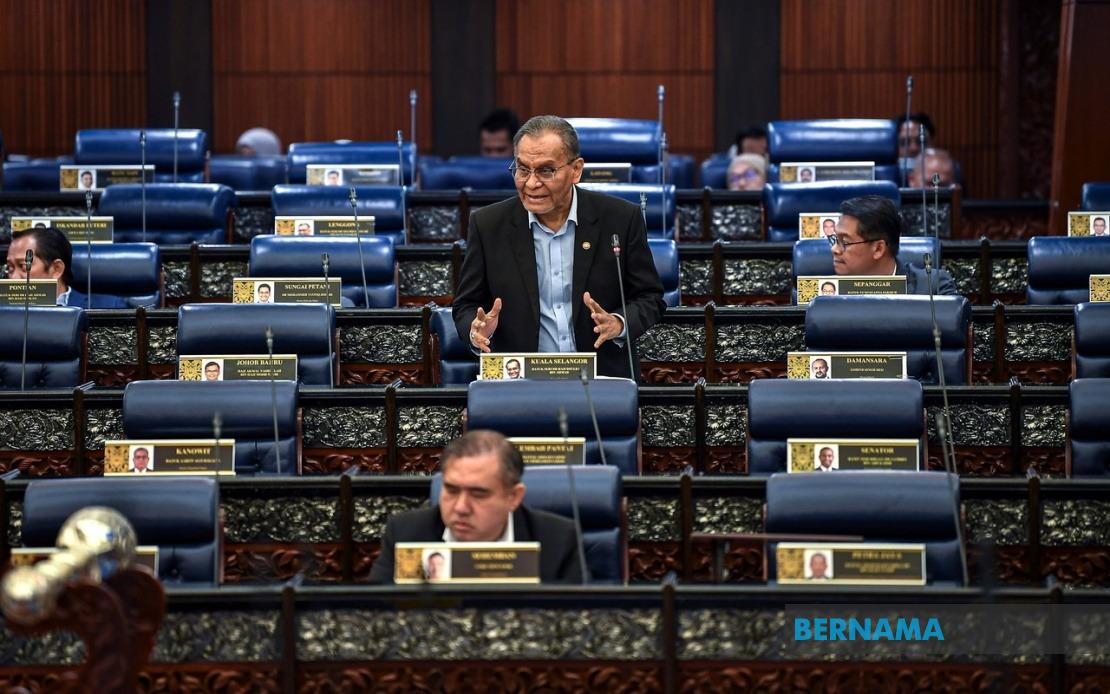
The Malaysian government is taking deliberate steps to prevent the collapse of the private primary healthcare sector, recognising that thousands of private clinics form an essential pillar of the nation's medical infrastructure. Health Minister Datuk Seri Dr Dzulkefly Ahmad has committed to sustaining these operations through targeted intervention, acknowledging that the closure of private general practitioner clinics represents a genuine threat to the country's ability to deliver frontline medical care. The ministry's approach combines financial support mechanisms with structural reforms designed to create a more balanced healthcare ecosystem where both public and private providers can operate viably.
The scale of the challenge facing Malaysia's private clinic sector is substantial. Since 2013, approximately 2,034 private medical clinics have shuttered their doors, a decline that reflects mounting operational pressures and changing economic conditions for independent practitioners. This erosion of private capacity places additional strain on the government's health infrastructure, which already grapples with significant patient volume and resource constraints. The loss of these clinics is particularly concerning given their strategic role in managing routine primary care, thereby alleviating pressure on overburdened government hospitals and health clinics across the country.
Dzulkefly has articulated a clear understanding of the systemic role played by private GPs, describing them as the backbone of Malaysia's primary healthcare system. The private sector operates approximately 10,208 GP clinics nationwide, working in tandem with 2,916 government health clinics under the Ministry of Health. This dual structure has historically allowed Malaysia to distribute primary healthcare delivery across both public and private channels, enabling broader population coverage and reducing reliance on expensive hospital services. However, the viability of this mixed system depends fundamentally on the financial sustainability of private practitioners, many of whom operate as independent business owners rather than salaried employees.
To address immediate financial pressures, the ministry has increased the minimum consultation fee for private medical practitioners from RM10 to RM80, a substantial adjustment intended to improve the economic viability of clinic operations. This regulatory change represents recognition that consultation fees set a decade ago had become inadequate to cover rising operational costs, including staffing, rent, utilities, and medical supplies. The fee adjustment aims to provide private practitioners with improved revenue streams without imposing unreasonable out-of-pocket expenses on patients seeking routine care. Such fee revisions are politically sensitive in Malaysia, where concerns about healthcare affordability remain high, yet they represent a pragmatic acknowledgment that unsustainable business models ultimately harm patients by forcing clinic closures.
Beyond fee adjustments, the government is exploring outsourcing arrangements as a mechanism to enhance private clinic sustainability. These arrangements would potentially enable private clinics to access additional revenue streams through contracted services with government health authorities or other institutional clients. Outsourcing models can provide private practitioners with more stable, predictable income while allowing them to maintain operational independence. Such arrangements might encompass services like occupational health screening for government agencies, medical examinations for specific programmes, or contracted provision of specialised primary care services to defined patient populations. The flexibility inherent in outsourcing relationships could prove particularly valuable for private practitioners seeking to diversify their income sources beyond traditional retail patient consultations.
The ministry's renewed focus on private sector sustainability reflects lessons learned during the COVID-19 pandemic, when many private clinics faced existential threats due to sharply reduced patient volumes and heightened operating costs. Dzulkefly has referenced direct experience with private clinic closures during this period, suggesting that pandemic-era disruptions crystallised awareness within the health ministry regarding the fragility of the private primary care sector. The pandemic demonstrated that when private clinics fail, their patients often redirect to government facilities, further overloading public health infrastructure already stretched thin. Preventing such cascading failures represents both a health equity concern and a practical resource management imperative for government planners.
Integration of private and public sectors in managing non-communicable diseases constitutes a cornerstone of the government's emerging healthcare strategy. The 13th Malaysia Plan explicitly incorporates disease management collaboration between private clinics and MOH facilities, recognising that chronic conditions including diabetes, hypertension, and obesity require sustained, community-based care rather than episodic hospital interventions. International models from the United Kingdom and Taiwan demonstrate that distributed primary care systems combining public and private providers can effectively manage NCDs while reducing hospital demand and improving patient outcomes. Malaysia's growing NCD burden—reflecting ageing demographics and urbanisation trends—makes such integration increasingly urgent.
The collaboration framework contemplated by the ministry would leverage the accessibility and patient familiarity that private GPs enjoy while connecting these practitioners with government resources, clinical guidelines, and referral pathways. Private clinics, often conveniently located in commercial areas and shopping centres across urban and suburban Malaysia, provide more immediate access than some government clinics. Patients already accustomed to visiting private practitioners for routine care could continue these relationships while benefiting from coordinated chronic disease management that incorporates government-provided preventive services, screening programmes, and specialist referral access. Such integration could reduce unnecessary hospital admissions whilst improving continuity of care for patients managing complex chronic conditions.
The sustainability challenge facing Malaysia's private clinic sector must be understood within broader regional healthcare trends. Across Southeast Asia, private primary care providers face similar pressures from changing patient demographics, rising operational costs, and evolving regulatory expectations. Malaysia's response—combining fee adjustments with integration initiatives and outsourcing mechanisms—may offer instructive lessons for neighbouring countries wrestling with comparable issues. The health ministry's proactive engagement with this challenge, rather than allowing market forces to determine outcomes, reflects a policy judgment that private primary care represents a public good worthy of deliberate government support rather than simple market competition.
Dzulkefly's parliamentary responses indicate that the government perceives private clinic sustainability not as a sectional concern benefiting wealthy practitioners, but as a system-wide imperative affecting healthcare access for ordinary Malaysians. The framing emphasises that private clinics serve patients who might otherwise overwhelm government facilities, thereby safeguarding the quality and timeliness of care available through public channels. This systemic perspective suggests that ongoing policy development will likely balance support for private practitioners with mechanisms to ensure equitable access and prevent exploitation of patients. As Malaysia implements these new approaches, outcomes will offer valuable evidence regarding optimal public-private partnership models in healthcare systems facing similar resource constraints and demand pressures.