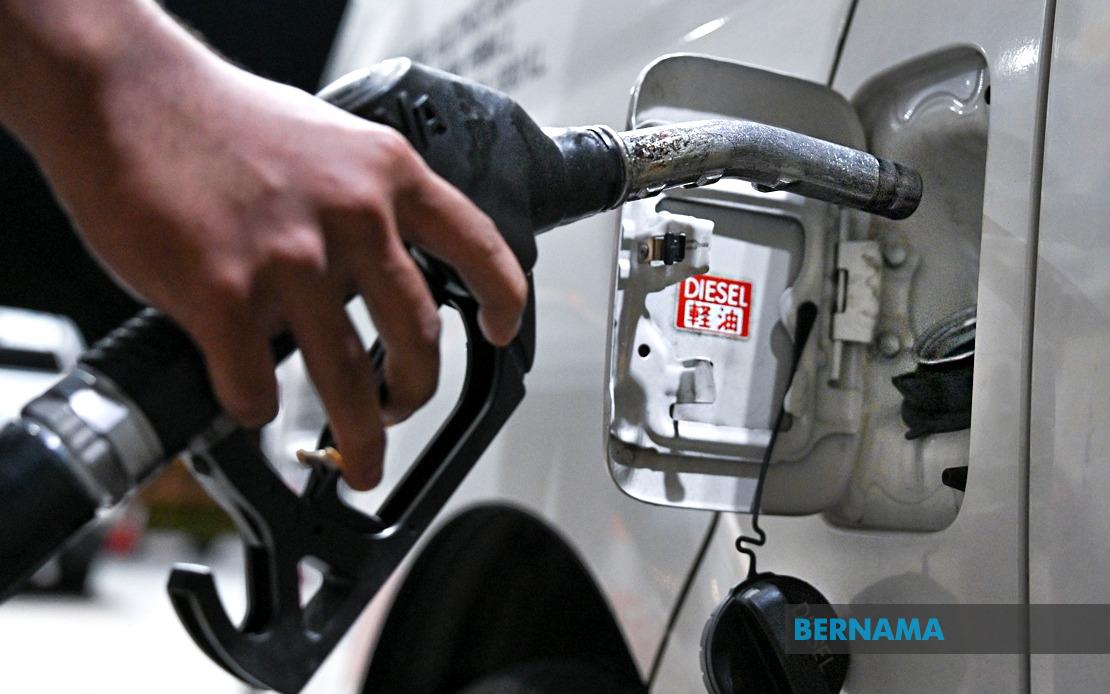
Malaysia's government is rolling out an overhauled diesel subsidy system designed to curtail massive leakages that have drained nearly RM5 billion monthly from state coffers. The BUDI MADANI Diesel programme, launching fully on July 1 with early access beginning June 27, represents a significant shift towards targeting fuel support to genuine beneficiaries while maintaining price stability for Malaysian drivers. Finance officials estimate the reform will recoup up to RM2 billion annually—funds that will be reinvested into keeping diesel at an affordable RM2.10 per litre nationwide.
Second Finance Minister Datuk Seri Amir Hamzah Azizan outlined the programme's rationale at a Putrajaya briefing, explaining that monthly subsidy obligations have ballooned alarmingly in recent months. Before the price volatility that gripped global petroleum markets, the government spent roughly RM800 million monthly on fuel subsidies. That figure exploded to nearly RM4.7 billion in March and RM4.9 billion in April as crude oil prices surged, creating an untenable fiscal burden that demanded immediate intervention. The scale of this spike underscores how vulnerable Malaysia's subsidy system had become to international market swings and internal inefficiencies.
The underlying problem extending far beyond simple price movements. Diesel consumption data reveals a troubling pattern: monthly usage rocketed from approximately 624 million litres to nearly 1.2 billion litres, nearly doubling within months. This abnormal spike betrays systematic leakages occurring through cross-border smuggling, diversion of subsidised fuel to unintended recipients, and exploitation of subsidy channels by parties who should have been purchasing unsubsidised diesel. The mechanics of these losses are straightforward—ineligible buyers access cheap petrol-station diesel intended for specific groups, simultaneously straining state finances and threatening the domestic supply chain's integrity.
East Malaysia presents an especially acute manifestation of this problem. Both Sabah and Sarawak display consumption patterns that deviate sharply from genuine demand. Annual diesel usage in these states approaches two billion litres, against an estimated legitimate requirement of around one billion litres. That billion-litre discrepancy annually represents the scale of suspected leakage in the region alone, suggesting either extensive smuggling into neighbouring jurisdictions or systematic misdirection of subsidised fuel. Addressing these anomalies has become critical to the subsidy system's sustainability.
The BUDI MADANI Diesel mechanism mirrors the successful architecture of the existing BUDI RON95 petrol subsidy programme, leveraging the MyKad national identification system for verification at the pump. This technological approach allows the government to restrict subsidised diesel exclusively to eligible Malaysian private vehicle owners while maintaining transparent, standardised procedures across all petrol stations nationwide. By creating a single, uniform subsidy framework replacing the fragmented mechanisms that previously enabled leakage, authorities aim to restore confidence that support genuinely reaches intended recipients.
Approximately 700,000 private diesel vehicle owners will qualify for the subsidised rate under the new system. Current beneficiaries receiving monthly cash assistance of RM400 will transition automatically to direct diesel subsidies at the petrol pump, eliminating the need for additional applications. This transition preserves support for existing recipients while shifting the distribution mechanism from cash transfers—which proved susceptible to misuse and lacked transparency—to point-of-sale verification. The seamless migration approach minimises administrative friction and encourages rapid uptake.
The timing of implementation reflects policymakers' recognition of urgency. Preparatory early access commences June 27 for eligible Peninsular Malaysian vehicle owners, allowing the system to stabilise before full national rollout on July 1. This phased approach provides operational flexibility, enabling technicians to identify and resolve teething problems before the programme expands to Sabah, Sarawak, and the broader vehicle fleet. Staggered implementation also prevents sudden supply-chain disruptions that an abrupt nationwide transition might trigger.
For Malaysian consumers, the RM2.10 per-litre price point represents a tangible benefit, particularly given the global oil market's continued unpredictability. By ringfencing this price through targeted subsidies rather than universal fuel support, the government preserves purchasing power for genuine domestic users while eliminating cross-border arbitrage opportunities that historically incentivised smuggling. The mechanism acknowledges that subsidies serve a legitimate stabilisation function for ordinary households and businesses dependent on affordable diesel, but only when guardrails prevent predatory leakage.
The broader fiscal implications extend beyond the RM2 billion projected annual saving. By recalibrating how subsidies function, the government creates headroom to redirect scarce resources toward infrastructure, healthcare, education, and other priority sectors. The subsidy architecture reform also signals Malaysia's commitment to addressing long-standing structural inefficiencies that have persisted through multiple administrations. Controlling leakage demonstrates fiscal discipline attractive to international investors and credit-rating agencies monitoring government financial management.
Regional implications warrant consideration as well. Neighbouring Thailand and Indonesia have undertaken comparable subsidy reforms with mixed results, offering both cautionary tales and potential lessons. Malaysia's approach, emphasising technology-driven verification rather than abrupt price liberalisation, positions the initiative as relatively pragmatic within Southeast Asian policy contexts. However, success hinges entirely on robust implementation and sustained political commitment to enforcement against smuggling and subsidy fraud.
The programme also reflects evolving assumptions about equity and targeting. Rather than assuming that universal subsidies benefit the poorest most effectively, policymakers increasingly recognise that untargeted support often leaks to higher-income beneficiaries and cross-border actors. The BUDI MADANI architecture prioritises efficiency and transparency, accepting that some eligible Malaysians may fall through administrative cracks while ensuring that leaked subsidies cease funding smuggling networks. This trade-off represents a conscious policy choice accepting marginal inclusion errors to prevent substantial leakage losses.
Successful execution requires coordination across multiple agencies. The Ministry of Domestic Trade and Cost of Living, Treasury Department, and petrol-station operators must synchronise their efforts to deploy MyKad verification infrastructure, train pump attendants, and manage beneficiary records. Treasury Secretary-General Tan Sri Johan Mahmood Merican's participation in the announcement underscores the initiative's status as a whole-of-government priority rather than a sectoral concern. Institutional alignment at this level suggests authorities recognise the stakes involved.
Looking ahead, the BUDI MADANI Diesel programme's performance will determine whether similar targeting mechanisms expand to other subsidised commodities. If successful, the model could inform reforms to electricity, cooking gas, or rice subsidies—categories where leakage similarly distorts fiscal outcomes. Conversely, implementation difficulties would signal the limitations of technology-dependent subsidy targeting in Malaysia's context. The coming months will thus prove instructive not merely for diesel policy but for the broader trajectory of Malaysian subsidy architecture.