%22%2F%3E%3C%2Fpattern%3E%3C%2Fdefs%3E%3Crect%20width%3D%22100%25%22%20height%3D%22100%25%22%20fill%3D%22url(%23ph4ht53g)%22%2F%3E%3Crect%20width%3D%22100%25%22%20height%3D%22100%25%22%20fill%3D%22url(%23ph4ht53p)%22%2F%3E%3Ctext%20x%3D%2250%25%22%20y%3D%2250%25%22%20text-anchor%3D%22middle%22%20dominant-baseline%3D%22central%22%20fill%3D%22rgba(255%2C255%2C255%2C0.95)%22%20font-family%3D%22Georgia%2C%20'Times%20New%20Roman'%2C%20serif%22%20font-weight%3D%22700%22%20font-size%3D%22170%22%20letter-spacing%3D%22-0.02em%22%3EMalaysia%3C%2Ftext%3E%3C%2Fsvg%3E)
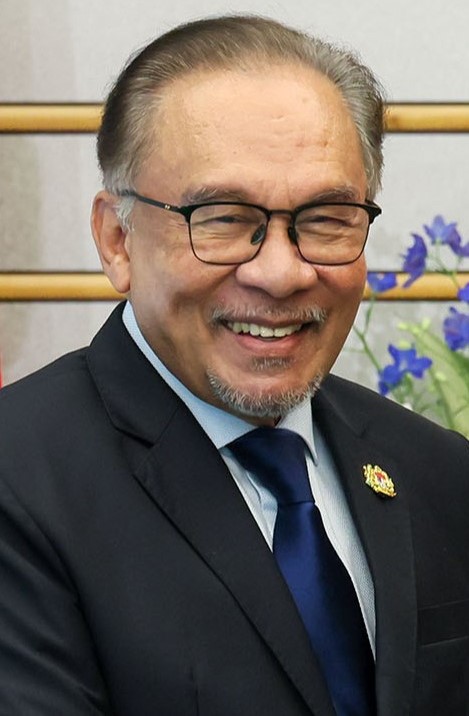
Prime Minister Datuk Seri Anwar Ibrahim's recent diplomatic missions to Russia and Turkmenistan have been hailed by senior government officials as a watershed moment for Malaysia's international positioning and strategic interests, unlocking opportunities that extend across energy security, economic growth, and corporate competitiveness in global markets.
Housing and Local Government Minister Nga Kor Ming underscored one of the most tangible achievements: Russia's commitment to supply Malaysia with oil over a two-decade timeframe. This long-term arrangement represents a departure from the traditional reliance on shorter-term energy contracts and positions Malaysia to maintain stable supplies even amid global market volatility. The deal carries immediate practical implications for ordinary Malaysians, particularly concerning the government's subsidy programme. By securing guaranteed long-term Russian oil supplies, the administration aims to sustain the BUDI MADANI RON95 petrol subsidy at the current retail price of RM1.99 per litre, a critical consideration for millions of commuters, businesses, and households dependent on affordable fuel.
Nga, who represents Teluk Intan as Member of Parliament, articulated the broader energy strategy underpinning these diplomatic efforts. The MADANI Government's deliberate approach to diversifying energy sources—moving away from over-reliance on any single supplier or region—reflects lessons learned from previous supply disruptions and price shocks. By cultivating relationships with multiple major producers including Russia, Malaysia reduces its vulnerability to geopolitical tensions in traditional supply routes and strengthens its negotiating position in global energy markets. This diversification strategy assumes heightened significance given Southeast Asia's rapid economic growth and rising energy demands across the region.
Equally significant was Anwar's success in positioning Petronas as the operator of a major Turkmenistan gas field, one of the world's largest natural gas reserves. This development represents more than a single commercial opportunity; it signals international recognition of Malaysian corporate capability and political stability. Petronas, currently ranked 139th on the Fortune Global 500 list, stands to elevate its global profile considerably through managing a world-scale gas development project. As Nga noted, successful execution of this assignment could propel the national oil company into the top 100 corporations globally, enhancing Malaysia's standing as a serious player in international energy markets rather than merely a raw materials exporter.
Human Resources Minister Datuk Seri R. Ramanan, representing Sungai Buloh, emphasised the broader developmental implications of these energy breakthroughs. The Turkmenistan gas field opportunity creates platforms for Malaysian technical expertise and workforce development, extending benefits beyond Petronas itself. Managing a world-class gas field demands advanced skills in geology, engineering, project management, and operations—areas where Malaysian professionals can gain exposure to cutting-edge international standards. This experience translates into human capital development for the entire nation, building a cadre of highly skilled workers capable of competing internationally and contributing to Malaysia's transformation into a knowledge-based economy.
Ramanan characterised Petronas' appointment as a validation of Malaysian corporate ability to compete and lead in the global energy sector, a narrative particularly important for a nation seeking to position itself as a regional technology and investment hub. The appointment demonstrates that international energy companies and governments trust Malaysian firms with massive capital commitments and operational responsibility, countering any perception of Malaysian businesses as merely regional players. This confidence extends from technical competence and transparent governance to Malaysia's political stability—factors that multinational corporations and sovereign wealth funds carefully evaluate when making major investment decisions.
Anwar's two-day working visit to Kazan in Russia's Republic of Tatarstan established a foundation for expanded bilateral cooperation spanning energy security, trade, investment, tourism, and technology development. Beyond the immediate oil supply arrangement, both governments have signalled intent to explore deeper commercial partnerships. For Malaysia, cultivating stronger ties with Russia opens alternative markets for Malaysian goods, services, and agricultural products, particularly important as the nation seeks to reduce trade imbalances and diversify export destinations beyond traditional Western markets.
The energy agreements reached during these missions prioritise stability over volatility. Rather than relying on annual contract renewals that expose Malaysia to annual price renegotiations and supply uncertainty, the Russia arrangement contemplates multi-year commitments that provide budgeting certainty for both government and private sector. This stability proves particularly valuable for energy-intensive industries such as petrochemicals, manufacturing, and food production, sectors that employ hundreds of thousands of Malaysians and contribute significantly to national export earnings. When energy costs become predictable, businesses can invest confidently in expansion and workforce development rather than hedging against supply disruptions.
The Turkmenistan component of Anwar's mission reveals a strategic pivot toward Central Asia, a region often overlooked by Southeast Asian policymakers despite its enormous hydrocarbon wealth and growing economic integration with Asia. Turkmenistan possesses vast natural gas reserves, and its government has demonstrated openness to international partnerships and foreign operating companies. By securing Petronas' appointment, Malaysia positions itself within Turkmenistan's energy development infrastructure, creating diplomatic goodwill and commercial relationships that may yield additional opportunities in petrochemicals, liquefied natural gas exports, and downstream energy businesses.
The implications for Malaysia's energy independence extend beyond simple supply volumes. By developing multiple supply relationships and positioning national companies as operators of international-scale projects, Malaysia reduces the leverage that any single supplier could exercise during bilateral negotiations. This becomes especially significant given Malaysia's geographic position in Southeast Asia, where energy demand continues rising as countries industrialise and millions transition out of poverty. By the 2030s, the region's aggregate energy consumption will dwarf current levels, intensifying competition for supplies and pricing leverage.
For regional Southeast Asian economies, Malaysia's success in securing these agreements carries demonstrable benefits. When one ASEAN member strengthens energy security, it reduces competitive pressure on regional supply sources and contributes to overall regional stability. Malaysia's energy stability supports its manufacturing competitiveness, which in turn supports regional supply chains and employment. The successful deployment of Petronas as an operator in Turkmenistan creates positive examples and precedents encouraging other Malaysian companies to pursue international opportunities, ultimately elevating the region's profile as a source of capable multinational corporations.
The diplomatic achievements also reflect Anwar's personal investment in international engagement and Malaysia's recalibrated foreign policy orientation. Rather than concentrating exclusively on Western partnerships or fellow Muslim-majority nations, the Prime Minister has methodically cultivated relationships with major global powers and energy producers regardless of cultural or religious affiliation. This pragmatic, interest-based approach to international relations prioritises Malaysia's economic and security interests while maintaining respect for national sovereignty and non-interference principles.
Looking forward, these agreements establish platforms for expanded cooperation in technology transfer, skills development, and potentially joint ventures in downstream energy sectors. As both Russia and Turkmenistan develop energy resources, demand will grow for petrochemicals, refining capacity, and liquefied natural gas infrastructure—sectors where Malaysian companies possess experience and competitive advantages. The relationships forged during Anwar's visits create pathways for Malaysian businesses to participate in Central Asian development while generating employment and technology transfer opportunities domestically.