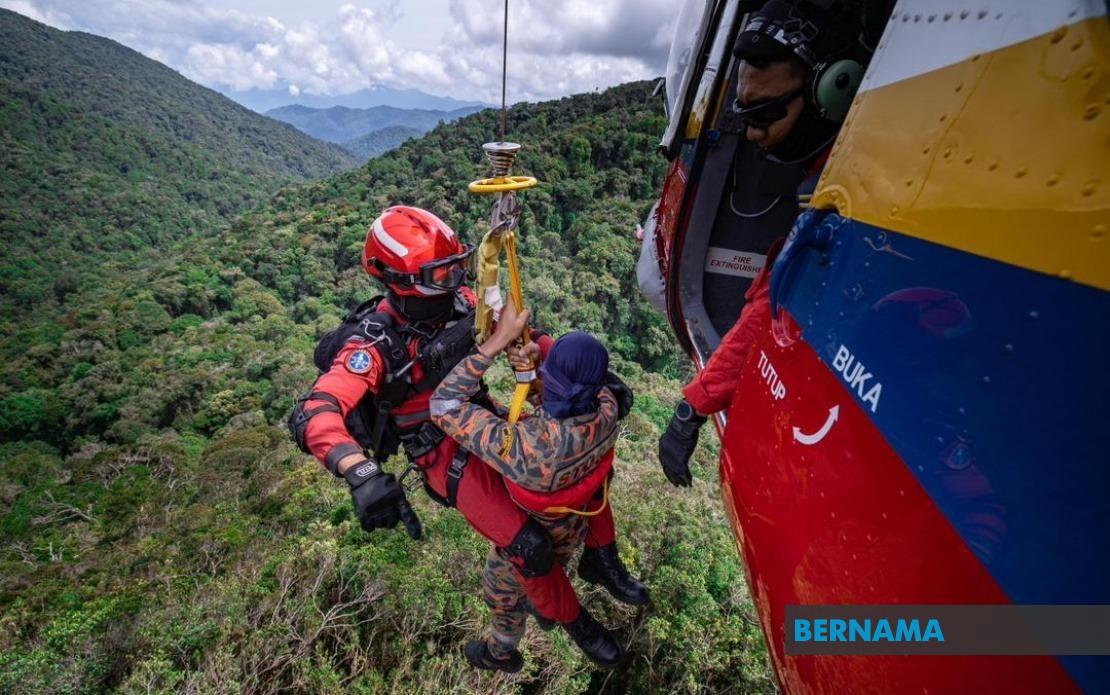
The growing popularity of hiking and forest recreation across Malaysia has come with a sobering human cost, according to figures revealed in parliament this week. Between 2021 and 2025, the country recorded 1,059 accidents involving hiking activities, culminating in 63 fatalities and 87 injuries nationwide. Deputy Minister of Natural Resources and Environmental Sustainability Syed Ibrahim Syed Noh presented these figures from the Fire and Rescue Department of Malaysia (JBPM) during Ministers' Question Time in the Dewan Rakyat, emphasizing the urgency of strengthening safety protocols as outdoor recreation continues to surge across the nation.
The spike in accidents reflects a broader trend of Malaysians embracing hiking and forest-based activities, particularly around the Klang Valley and in states such as Pahang, Perak, and Selangor. This recreation boom, while testament to growing health consciousness and environmental awareness, has outpaced the development of adequate safety infrastructure and standardized protocols. The problem is compounded by Malaysia's diverse terrain, ranging from easy riverside walks to technically demanding high-altitude trails, many of which operate with minimal oversight or systematic risk management. The deputy minister's disclosure underscores the need for coordinated action across multiple government agencies to bring the adventure tourism sector under control.
To address these challenges, the Peninsular Malaysia Forestry Department (JPSM) has partnered with the United Nations Development Programme (UNDP) to develop the Mountain Risk Assessment and Management Guideline, known as MoGRAM. This technical framework serves as a reference tool for identifying hazards, assessing risk levels on specific trails, and managing hiking capacity to prevent overcrowding and unsafe conditions. By applying MoGRAM principles, trail managers can evaluate environmental factors such as weather exposure, geological stability, and rescue accessibility, enabling evidence-based decisions about when to close trails or restrict entry during high-risk periods.
A cornerstone of the government's safety strategy involves mandatory deployment of certified Forestry Mountain Guides (MGPs) across 189 high-risk hiking areas in Peninsular Malaysia. These guides, who receive formal training in emergency response, first aid, and hiking safety protocols, serve as the first line of defense when incidents occur. To date, 2,322 individuals from local and indigenous communities have completed the MGP certification program, creating employment opportunities while strengthening safety infrastructure. The emphasis on recruiting local guides has the added benefit of preserving traditional ecological knowledge and supporting rural livelihoods, making the scheme a multifaceted intervention rather than purely a safety measure.
Recognizing that effective rescue operations depend on knowing where hikers are located, the ministry is developing an advanced digital infrastructure to track hiking activities across the country. Working with the Malaysian Space Agency (MySA), the JPSM is building a hiking trail management system that integrates geospatial technology, geographic information systems (GIS), and satellite remote sensing. This system will create detailed, continuously updated maps of hiking trails, including real-time hazard information and accessibility data. For search and rescue operations, the spatial analysis capabilities offered by such technology could dramatically reduce the time needed to locate missing hikers, potentially determining the difference between recovery and tragedy.
Currently, hiking registration in Permanent Reserved Forests (HSK) remains fragmented, with state forestry departments operating their own manual or online systems. This patchwork approach creates blind spots in national oversight and hampers coordinated emergency response. The deputy minister indicated that the ministry intends to establish a centralized, national digital hiking registration log system. Such a system would require all hikers entering designated forest areas to register in advance, recording their intended routes, party sizes, expected return times, and emergency contact information. This data would be immediately accessible to search and rescue teams, accelerating response times and reducing the area that rescuers must search when someone goes missing.
The proposed national registration system also addresses a growing concern about capacity management on popular trails. Many of Malaysia's favorite hiking destinations, such as Gunung Tahan, Kinabalu, and various peaks in the Genting highlands, routinely attract hundreds of hikers daily. Without systematic tracking, trail managers cannot identify when carrying capacity is exceeded, leading to congestion that increases the risk of accidents. A digital system would enable authorities to implement permit quotas and stagger entry times, ensuring that trails remain safe and that emergency services are not overwhelmed. For hikers, the system would provide real-time information about trail conditions, weather forecasts, and occupancy levels, supporting safer decision-making.
Beyond registration and guidance, the JPSM has committed to continuous professional development for mountain guides and nature guides who work in forest recreation areas. The ministry conducts regular training programs covering hiking safety protocols, risk assessment methodologies, wilderness first aid, survival skills, and search and rescue techniques. This investment in human capital recognizes that no amount of technology or infrastructure can substitute for experienced, knowledgeable guides who understand local conditions and can make split-second decisions during emergencies. By maintaining high standards for guide certification and requiring ongoing education, the government aims to professionalize what has historically been an informal sector.
The multi-pronged approach outlined by Deputy Minister Syed Ibrahim reflects an understanding that hiking safety cannot be achieved through any single intervention. The combination of risk assessment guidelines, certified guides, digital registration systems, and professional training addresses the ecosystem of factors that contribute to accidents: inadequate preparation by hikers, insufficient on-trail supervision, delayed emergency response, and lack of systemic data about incidents and their causes. This holistic strategy aligns with international best practices in adventure tourism and outdoor recreation management, drawing lessons from countries such as New Zealand and Switzerland, which have developed sophisticated frameworks for managing high-volume hiking while minimizing fatalities.
For the hiking community in Malaysia, these developments carry significant implications. Hikers can expect increased regulation, including mandatory registration and potential restrictions on popular trails during peak seasons. However, these constraints serve to enhance safety rather than restrict access unnecessarily. The professionalization of mountain guides will increase the cost of guided hikes, but should substantially improve the quality of safety oversight. Tourism operators and trail developers should anticipate that future trail approvals will require adherence to MoGRAM standards and demonstrate adequate guide coverage and emergency protocols. These requirements may exclude some operators but will elevate standards across the industry.
The statistics presented by Deputy Minister Syed Ibrahim also highlight the importance of public education and personal responsibility. While infrastructure and professional oversight are essential, hikers themselves must take reasonable precautions: checking weather forecasts, informing others of their plans, carrying adequate water and first aid supplies, and recognizing their physical limitations. The government's investment in safety infrastructure works best when complemented by informed, cautious behavior by recreationalists themselves. As hiking and forest recreation continue to grow in popularity across Malaysia and the region, establishing and enforcing robust safety standards now will protect lives and allow Malaysians to enjoy these activities with greater confidence.