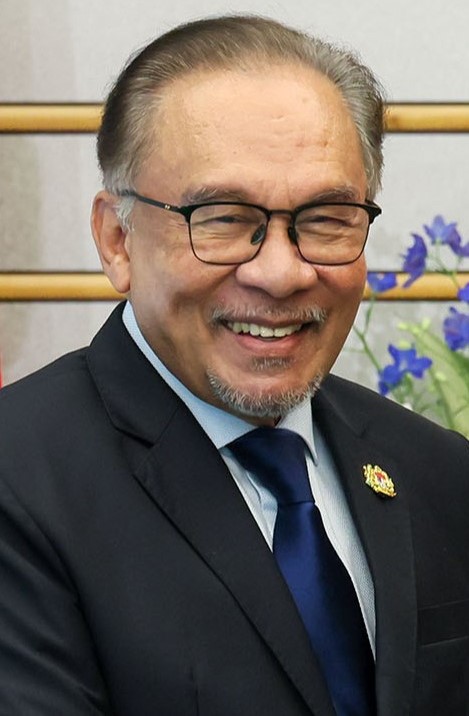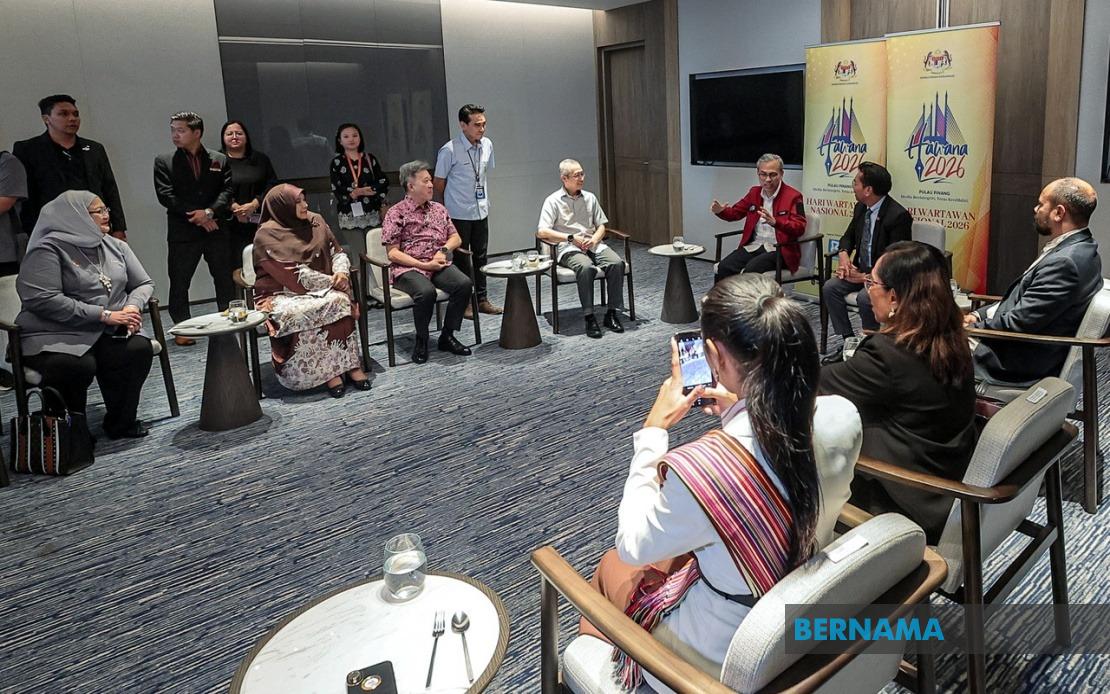
Malaysia is moving to deepen its media partnership with Timor-Leste, with Communications Minister Datuk Fahmi Fadzil unveiling plans to strengthen operational ties between the two nations' broadcasting and news organisations. The initiative emerged from discussions held in Butterworth on June 20 between Fahmi and Timor-Leste's Secretary of State for Social Communication, Expedito Loro Dias Ximenes, alongside senior figures from the Southeast Asian nation's state news agency TATOLI.
The proposed collaboration framework centres on three primary mechanisms designed to facilitate knowledge exchange and institutional linkages across the region. Malaysia's national news agency Bernama and state broadcaster Radio Televisyen Malaysia would serve as the primary channels for engagement, with counterpart organisations in Dili establishing formal working relationships. By leveraging existing infrastructure and editorial expertise within Malaysia's public media apparatus, the partnership aims to foster professional standards and operational efficiency across both nations' information ecosystems.
A particularly notable component of the cooperation framework involves capacity-building initiatives targeting Timor-Leste's journalism workforce. Fahmi proposed that the Tun Abdul Razak Broadcasting and Information Institute, commonly known by its Malay acronym IPPTAR, would host dedicated training sessions for Timorese journalists. This educational dimension reflects a broader regional trend of established media systems providing mentorship to younger or smaller markets, particularly across Southeast Asia where professional standards and resource disparities often characterise the landscape.
The timing of these discussions proved strategically significant, occurring during the sixth edition of the HAWANA conference—a major regional gathering of media professionals that convened approximately 1,000 practitioners at the PICCA Convention Centre in Butterworth. The event, themed around Media Integrity Strengthens Credibility, provided an appropriate forum for bilateral discussions on journalistic ethics and institutional transparency, with Prime Minister Datuk Seri Anwar Ibrahim scheduled to deliver the opening address.
During the meeting, both nations' representatives examined their relative performance within international press freedom assessments, specifically the World Press Freedom Index compiled annually by Reporters Without Borders. Timor-Leste's standing proved particularly noteworthy; the country currently ranks first across Southeast Asia and achieved a 30th position globally among 180 nations evaluated. This outcome represents a remarkable achievement for a nation that gained independence only in 2002 and has navigated significant post-conflict institutional development challenges.
Malaysia's positioning within the same index reflects an ongoing policy priority for the present administration. The country currently ranks second in Southeast Asia, though this represents improvement compared with earlier rankings under previous governments. Fahmi acknowledged that while the MADANI Government has achieved measurable gains in press freedom metrics over the past three to four years, Malaysia's trajectory remains incomplete and demands sustained commitment to institutional reforms and policy refinement.
The comparative analysis between Malaysia and Timor-Leste carries deeper implications for Southeast Asian media development. Timor-Leste's superior ranking despite far more limited institutional resources and smaller economy suggests that press freedom outcomes depend less on raw economic capacity than on political commitment to editorial independence and legal frameworks protecting journalistic practice. This pattern challenges assumptions within development discourse and offers a template for other regional governments seeking to improve international standing without prohibitive investment.
For Malaysia specifically, the dialogue reveals strategic recognition that regional peer learning can accelerate improvements in institutional performance. Rather than viewing press freedom advancement as a Western-imposed metric or external pressure, the MADANI Government's engagement frames it as a professional and institutional priority comparable to other governance improvements. This rhetorical shift matters because it positions Malaysia within a community of practice rather than as a defensive respondent to international criticism.
The Timorese delegation's composition reflected the formal importance of the engagement. Alongside Secretary of State Ximenes, the TATOLI leadership—President Noemio Mateus Soares Falcao and Deputy President Madalena de JCP Carlos—signalled that the visit carried agency-level authority. This hierarchical consistency on both sides suggests the bilateral partnership will likely move beyond rhetorical commitment toward institutional mechanisms and regular coordination cycles.
Malaysia's media institutions bring substantial technical and operational experience to any cooperation framework. Bernama, established as the national news agency in 1968, maintains extensive infrastructure and established relationships across ASEAN and the broader global news ecosystem. RTM operates the country's terrestrial broadcasting networks and accumulated expertise in regulatory navigation across Malaysia's complex federal-state media landscape. These capacities represent genuine assets for knowledge transfer, particularly in areas such as broadcast standards, news gathering coordination, and institutional governance structures.
The training component proposed through IPPTAR addresses a particular gap in regional journalism development. Malaysia's institute has accumulated experience training media professionals from diverse markets and possesses curriculum resources addressing contemporary challenges such as digital journalism, misinformation identification, and multimedia production. Timorese journalists would gain exposure to these practical methodologies alongside institutional perspectives developed within Malaysia's specific regulatory and political context.
Regionally, this partnership reflects broader Southeast Asian patterns of bilateral institutional cooperation occurring outside formal ASEAN frameworks. Media sector collaboration often proves less contentious than defence or economic partnerships, allowing nations to pursue strategic influence and soft power objectives with minimal diplomatic friction. Malaysia's engagement with Timor-Leste thus serves multiple purposes: reinforcing ASEAN community bonds, positioning Malaysia as a media development leader, and creating entry points for broader political and economic relationship-building.
The durability of this partnership will depend on whether initial commitments translate into sustained institutional mechanisms rather than symbolic gestures. Regular training cycles, formal exchange arrangements, and coordinated coverage of regional events represent measurable indicators of genuine commitment. As both nations navigate the increasingly complex information environment shaped by digital platforms and transnational content flows, the bilateral partnership offers opportunities for coordinated responses to shared challenges including misinformation, digital literacy, and journalistic safety.