%22%2F%3E%3C%2Fpattern%3E%3C%2Fdefs%3E%3Crect%20width%3D%22100%25%22%20height%3D%22100%25%22%20fill%3D%22url(%23ph2unt3g)%22%2F%3E%3Crect%20width%3D%22100%25%22%20height%3D%22100%25%22%20fill%3D%22url(%23ph2unt3p)%22%2F%3E%3Ctext%20x%3D%2250%25%22%20y%3D%2250%25%22%20text-anchor%3D%22middle%22%20dominant-baseline%3D%22central%22%20fill%3D%22rgba(255%2C255%2C255%2C0.95)%22%20font-family%3D%22Georgia%2C%20'Times%20New%20Roman'%2C%20serif%22%20font-weight%3D%22700%22%20font-size%3D%22170%22%20letter-spacing%3D%22-0.02em%22%3EMalaysia%3C%2Ftext%3E%3C%2Fsvg%3E)
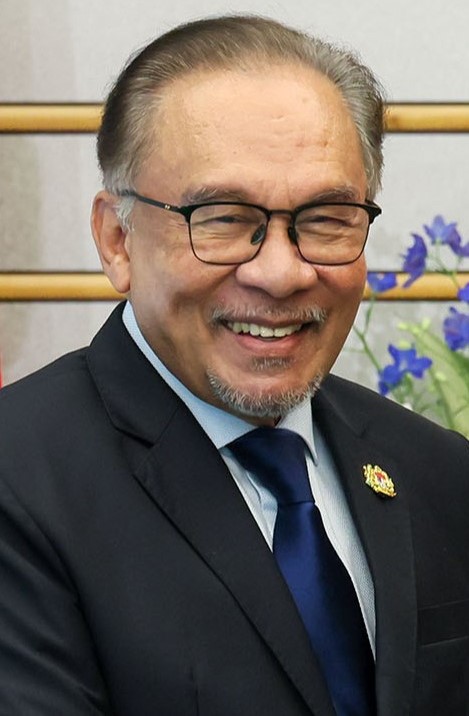
Malaysia and Bangladesh have committed to establishing more rigorous oversight mechanisms for worker recruitment following high-level discussions between Prime Minister Datuk Seri Anwar Ibrahim and his Bangladeshi counterpart Tarique Rahman. The two leaders have agreed to form a Joint Working Group that will examine the current bilateral labour arrangements and develop an updated framework reflecting present-day requirements. This diplomatic initiative comes as Bangladesh remains among Malaysia's most significant sources of foreign labour, contributing substantially to the country's workforce across multiple economic sectors.
Datuk Seri R. Ramanan, Minister of Human Resources, reaffirmed the government's dedication to transforming recruitment procedures through improved governance systems designed to eliminate malpractice. Speaking from Putrajaya, Ramanan emphasised that Malaysia and Bangladesh share a mutual responsibility to shield migrant workers from exploitation and discrimination whilst upholding professional standards throughout the hiring process. This collaborative stance reflects growing international pressure on labour-importing nations to ensure ethical practices in managing foreign workforces, particularly concerning workers from developing economies who may face elevated vulnerability to abuse.
The establishment of the Joint Working Group represents a significant institutional step beyond rhetoric. This body will conduct a comprehensive evaluation of the existing Memorandum of Understanding between the two countries, identifying gaps and outdated provisions that may no longer address contemporary migration challenges. The group will subsequently develop a modernised agreement that incorporates current best practices in labour protection, worker welfare standards, and transparent recruitment procedures. Such structured cooperation demonstrates how bilateral partnerships can translate political commitments into concrete policy mechanisms.
Bangladesh's strategic importance to Malaysia's labour market cannot be overstated. The nation supplies a substantial portion of Malaysia's foreign worker contingent, filling critical vacancies in construction, manufacturing, domestic service, and plantation sectors where local recruitment proves insufficient. This dependency means that maintaining healthy relations with Bangladesh whilst ensuring worker protection standards create a delicate balance. Ramanan's remarks highlight this tension, acknowledging that governance improvements must benefit both nations economically whilst safeguarding individual worker interests.
The focus on ethical recruitment mechanisms addresses longstanding concerns within Malaysia's migrant worker management systems. Reports from international labour organisations and non-governmental groups have documented instances of wage theft, unsafe working conditions, contract manipulation, and inadequate access to remedial channels among foreign workers. By jointly strengthening governance frameworks with Bangladesh, Malaysia signals readiness to address these systemic issues rather than relying solely on enforcement against individual bad actors. This approach recognises that sustainable improvement requires institutional reform at source and destination countries simultaneously.
Tarique's visit marks his first bilateral trip abroad since assuming office in February, underscoring Bangladesh's importance in Malaysia's foreign policy priorities. The two-day official engagement provided an opportunity to discuss not only labour matters but also broader bilateral relations. The prominence given to worker recruitment governance in public statements from both sides suggests this issue ranks high on the agenda, particularly given Bangladesh's domestic political interest in protecting its nationals working overseas. Bangladeshi migrants remit substantial sums to their home country, making their economic security and workplace conditions matters of national concern.
The modernised Memorandum of Understanding being contemplated will likely incorporate provisions addressing contemporary challenges such as digital recruitment fraud, contract transparency, dispute resolution mechanisms, and worker access to legal counsel. It may also establish clearer protocols for site inspections, welfare monitoring, and rapid response procedures when violations occur. Such specificity moves beyond aspirational language to create enforceable standards that both governments can implement and monitor. The explicit involvement of KESUMA signals Malaysia's institutional commitment to moving from ministerial pledges to practical administrative reform.
For Malaysian employers and labour-dependent industries, clarity regarding recruitment standards offers both opportunities and challenges. Strengthened governance may increase compliance costs and administrative burden initially, but creates competitive advantages for ethical operators by eliminating unscrupulous competitors undercutting through worker exploitation. Enhanced worker protections also reduce risks of labour unrest, disputes, and reputational damage affecting business operations. These longer-term benefits align employer interests with worker welfare improvements, creating potential for genuine rather than superficial commitment to reform.
The broader Southeast Asian context amplifies significance of this bilateral initiative. Multiple nations across the region import substantial Bangladeshi labour, and governance standards established through Malaysia-Bangladesh cooperation may influence labour management practices elsewhere. Should this partnership successfully model transparent, worker-protective recruitment systems, other countries may adopt similar approaches, creating regional momentum toward higher labour standards. Conversely, if implementation proves inadequate, it may reinforce perceptions that official commitments regarding migrant worker protection lack substance.
Ramanan's emphasis on sustainable and responsible workforce management reflects evolving corporate and governmental attitudes toward labour migration. Rather than treating foreign workers primarily as cost-minimisation tools, contemporary policy increasingly recognises that worker dignity, safety, and fair treatment constitute prerequisites for stable, productive labour relationships. This conceptual shift has implications beyond Bangladesh recruitment, potentially influencing how Malaysia approaches labour relations generally. The commitment articulated by KESUMA therefore extends beyond managing a particular migrant population to establishing foundational principles for ethical labour practices.
Implementation of these governance improvements will require sustained political will and adequate resource allocation. The Joint Working Group must translate commitments into concrete standards, both nations must establish enforcement mechanisms with genuine investigative capacity, and workers themselves must have accessible channels for reporting violations without fear of retaliation. Bangladesh's cooperation depends partly on confidence that Malaysian authorities will address complaints seriously rather than dismissing them as worker misconduct. Building such institutional trust requires consistent demonstration of commitment through specific actions rather than periodic statements.
Successful modernisation of Malaysia-Bangladesh labour relations could establish a template for bilateral labour governance applicable across Southeast Asia and beyond. By combining high-level political commitment with institutional mechanisms like the Joint Working Group, pragmatic standards-setting, and worker-centred protections, the two countries have opportunity to create a model that other nation-pairs might emulate. This initiative thus carries implications extending well beyond bilateral concerns to influence regional labour management norms.