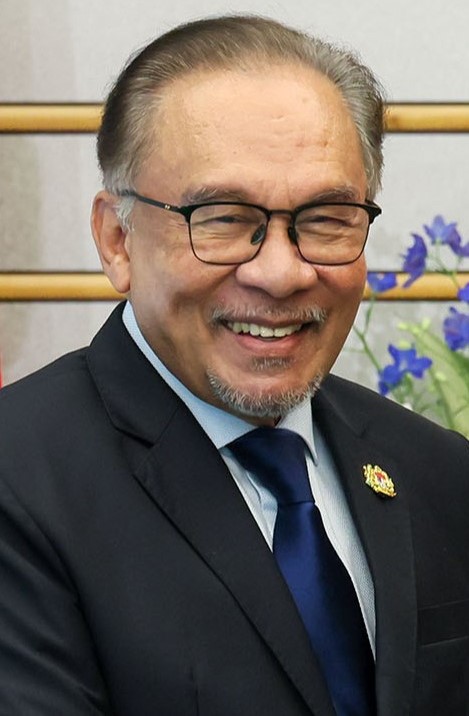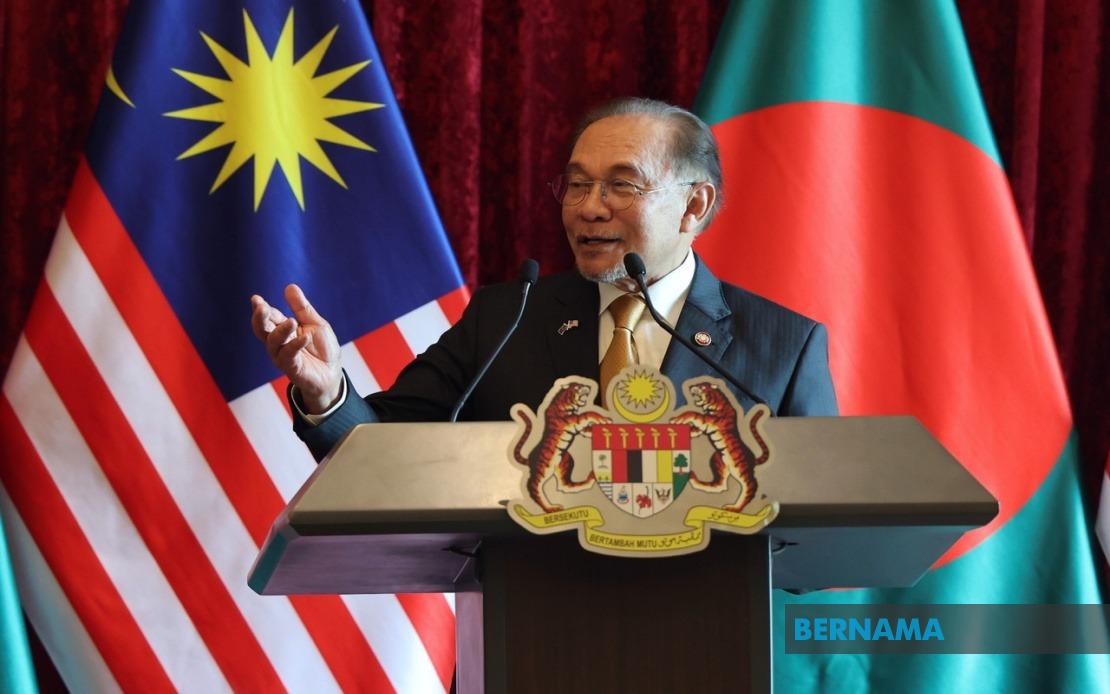
Prime Minister Datuk Seri Anwar Ibrahim and visiting Bangladesh Prime Minister Tarique Rahman have pledged to resurrect long-dormant institutional dialogue mechanisms between their nations, signalling renewed diplomatic momentum after an extended period of limited high-level engagement. The two leaders committed to reactivating the Joint Commission Meeting and Bilateral Consultations framework at the earliest opportunity, underscoring both governments' intent to place bilateral relations on a more structured footing. Rahman's two-day official visit to Putrajaya, beginning late June 21, provides the occasion for this diplomatic reset, with the joint statement released by Malaysia's Foreign Ministry serving as the formal expression of both countries' shared priorities.
The resumption of these formal mechanisms carries significance beyond ceremonial gesture. The Joint Commission Meeting and Bilateral Consultations represent the institutional backbone through which major issues are negotiated, tracked, and resolved at the highest political level. Their prolonged absence had effectively created a governance gap, leaving fewer formal channels for addressing disagreements or coordinating responses to shared challenges. By committing to restart these forums, both nations acknowledge the inefficiency of ad-hoc diplomatic engagement and recognise that sustained institutional dialogue produces better outcomes across multiple policy domains.
Central to the bilateral relationship is the question of labour migration, a matter of profound economic and social consequence for both countries. Bangladesh supplies a significant workforce to Malaysia, with hundreds of thousands of citizens working across construction, manufacturing, domestic service, and other sectors. These workers generate substantial remittances to Bangladesh while filling crucial labour shortages within Malaysia's economy. The joint statement explicitly welcomes the contribution of Bangladeshi workers to Malaysia's development, framing migration not merely as a transactional labour arrangement but as a vehicle for people-to-people connectivity and mutual prosperity.
Yet Malaysia's approach to foreign worker recruitment has grown increasingly restrictive in recent years, with the government implementing stricter quotas and more rigorous vetting procedures. The joint statement acknowledges this reality by noting that new foreign worker quotas are assessed on a case-by-case basis, subject to verified employer requirements and sectoral ceilings determined by Malaysia's current labour intake policy. This formulation signals that Bangladesh cannot expect automatic approval for expanded quotas; instead, any increases will require demonstrating concrete employer demand and alignment with Malaysia's labour market priorities. For Bangladesh, which has proposed additional recruitment opportunities, this represents a controlled, measured response rather than the expansive outcome Dhaka may have hoped for.
Both nations have nevertheless reaffirmed their commitment to ensuring that whatever recruitment does occur meets rigorous standards of transparency, fairness, and non-discrimination. This emphasis on process integrity reflects growing international scrutiny of labour migration practices and recurrent accusations that workers from South Asia face exploitation, inadequate wages, or unsafe conditions in destination countries. By anchoring their labour arrangement in verifiable procedural safeguards and restricting the recruitment process to credible and qualified agencies, Malaysia and Bangladesh are attempting to preempt criticism and demonstrate that they take worker welfare seriously.
The establishment of a dedicated Joint Working Group on migration represents a structural innovation aimed at sustaining regular dialogue on this critical issue. Rather than allowing labour questions to fester or be addressed only during infrequent high-level meetings, a permanent working group provides continuity and technical expertise. The group's mandate extends to evaluating the existing Memorandum of Understanding governing worker recruitment and drafting a comprehensive replacement that reflects contemporary realities and best practices. The previous MoU, presumably negotiated years earlier, may no longer adequately address modern challenges such as digital recruitment platforms, credential verification across borders, or the shift toward higher-skill positions.
From Malaysia's perspective, this bilateral recalibration serves multiple purposes. It demonstrates that the government takes its relationship with Bangladesh seriously despite the geographical and cultural distance between the nations. It also provides a framework through which Malaysia can manage labour flows in a controlled manner, balancing the need for foreign workers with domestic concerns about job protection and wage competition. For Bangladesh, the engagement signals that despite restrictions, there remains a viable pathway for its citizens to seek employment in Malaysia and that the bilateral relationship will be managed through institutional channels rather than left to market forces or informal arrangements.
The emphasis on high-level visits and sustained coordination across bilateral and multilateral forums reflects both governments' recognition that Malaysia-Bangladesh ties extend beyond labour migration. The two nations cooperate within regional organisations such as ASEAN and the Bay of Bengal Initiative for Multi-Sectoral Technical and Economic Cooperation, where they share interests in maritime security, climate adaptation, and economic development. Regular dialogue at the prime ministerial level and through working groups ensures that these multilateral interests are pursued coherently and that bilateral grievances do not spill over into regional forums.
Rahman's visit also occurs within the broader context of Bangladesh's foreign policy recalibration following recent political turbulence. As the nation's new leadership consolidates authority, strengthening ties with significant neighbouring and regional partners becomes a priority. Malaysia, as a developed Southeast Asian economy and significant source of employment for Bangladeshi citizens, merits high-level engagement. Similarly, Malaysia benefits from demonstrating diplomatic flexibility and investment in maintaining stable, productive relationships across South Asia, contributing to the nation's broader foreign policy goal of being a reliable Southeast Asian voice in regional affairs.
The joint statement's careful language regarding labour quotas—acknowledging Bangladesh's proposal while maintaining Malaysia's discretionary authority—reflects the delicate balance both nations must strike. Bangladesh cannot afford to antagonise a significant employment destination, while Malaysia must maintain its sovereignty over labour policy and protect its domestic workforce. The commitment to transparent, non-discriminatory recruitment processes and the establishment of a working group suggest both sides believe these mechanisms can manage tensions and produce mutually beneficial outcomes.
Looking forward, the success of this bilateral reset will depend on whether the Joint Commission Meeting and Bilateral Consultations actually resume on a regular schedule and whether the Joint Working Group on migration conducts substantive work. Institutional mechanisms only matter if governments utilise them consistently. The joint statement's emphasis on "earliest opportunity" for resuming dialogue creates an expectation that Malaysia and Bangladesh will schedule these meetings within months rather than allowing another extended lapse. For Malaysian readers concerned about labour policy and bilateral relations, the key indicator of genuine commitment will be whether these forums actually convene and produce tangible outcomes on worker protection and recruitment practices.