%22%2F%3E%3C%2Fpattern%3E%3C%2Fdefs%3E%3Crect%20width%3D%22100%25%22%20height%3D%22100%25%22%20fill%3D%22url(%23ph37ys0g)%22%2F%3E%3Crect%20width%3D%22100%25%22%20height%3D%22100%25%22%20fill%3D%22url(%23ph37ys0p)%22%2F%3E%3Ctext%20x%3D%2250%25%22%20y%3D%2250%25%22%20text-anchor%3D%22middle%22%20dominant-baseline%3D%22central%22%20fill%3D%22rgba(255%2C255%2C255%2C0.95)%22%20font-family%3D%22Georgia%2C%20'Times%20New%20Roman'%2C%20serif%22%20font-weight%3D%22700%22%20font-size%3D%22170%22%20letter-spacing%3D%22-0.02em%22%3EMalaysia%3C%2Ftext%3E%3C%2Fsvg%3E)
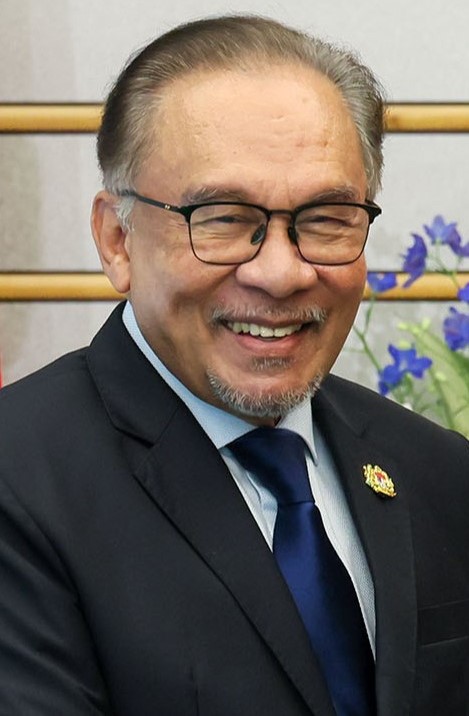
Prime Minister Anwar Ibrahim and visiting Bangladesh Prime Minister Sheikh Hasina Wazed have reaffirmed both nations' commitment to combating the exploitation and abuse of migrant workers, signalling a renewed focus on protecting one of Southeast Asia's most vulnerable labour forces. The bilateral agreement, reached during high-level talks in Putrajaya, underscores growing concern across the region about documented cases of wage theft, unsafe working conditions, and trafficking linked to informal recruitment channels. With hundreds of thousands of Bangladeshi nationals working in Malaysia across construction, manufacturing, and domestic sectors, the accord carries substantial implications for regional labour standards and worker protection mechanisms.
Anwar emphasised during the meeting that Malaysia recognises its dual responsibility as both a destination country and a steward of migrant welfare, setting the tone for a more proactive stance on safeguarding foreign workers. The Prime Minister's public focus on worker protections reflects mounting international scrutiny of Southeast Asian nations' labour practices, particularly following high-profile exposés documenting conditions faced by migrant employees. Bangladesh's designation as a top source of workers to Malaysia makes the bilateral framework particularly relevant, with Dhaka keen to ensure its nationals receive equitable treatment and dignified employment opportunities. The discussions acknowledged that inadequate recruitment oversight creates pathways for unscrupulous agents and employers to circumvent labour standards, a persistent challenge across Malaysia's labour market.
Sheikh Hasina Wazed, Bangladesh's Prime Minister, sought concrete commitments on job creation within Malaysia's economy, recognising the economic significance of remittances for Bangladesh's development. Bangladesh generates substantial national income from workers abroad, and expanding legitimate employment opportunities in Malaysia serves national economic interests. The demand reflects Bangladesh's position as one of Asia's most labour-intensive economies, where emigration opportunities alleviate domestic unemployment pressures while funding families and contributing to national GDP. Malaysia's continued role as an employment destination therefore carries weight beyond bilateral relations, extending to Bangladesh's broader economic stability and poverty alleviation goals.
Both leaders identified the recruitment process as a critical juncture where exploitation typically originates, recognising that pre-departure practices in Bangladesh and hiring procedures in Malaysia require synchronisation. Unscrupulous recruitment agencies operating across the region often charge excessive fees, misrepresent job conditions, or facilitate fraudulent documentation, trapping workers in debt servitude before they even arrive. The agreement to establish fairer, more transparent recruitment standards represents an attempt to disrupt these exploitative networks by creating verifiable channels that protect workers from the outset. Malaysia's experience implementing recruitment regulations offers instructive lessons for Bangladesh, while Bangladesh's oversight of its own recruitment industry forms a crucial complementary component of the bilateral framework.
The timing of this agreement reflects broader international momentum toward labour standard harmonisation in Southeast Asia, as ASEAN member states face persistent criticism from human rights organisations and developed-nation trading partners regarding migrant worker conditions. Malaysia has faced particular pressure from international labour bodies and trading partners over documented cases of workplace violations, wage theft, and inadequate enforcement of existing protections. By visibly aligning with Bangladesh on stronger protections, Anwar's administration signals responsiveness to these concerns and positions Malaysia as a standards-setting nation within ASEAN rather than a laggard. The bilateral cooperation framework also provides a template that other source countries might emulate, potentially creating cascading improvements across Malaysia's entire migrant workforce.
The agreement encompasses mechanisms for improved information sharing between Malaysian and Bangladeshi authorities, enabling both governments to track worker complaints and prosecute exploitation cases more effectively. Enhanced data exchange allows authorities to identify trafficking patterns and recruitment frauds that might otherwise evade detection. Such cooperation proves particularly valuable given that workers often lack awareness of their rights or fear reprisal if they report violations, necessitating government-to-government coordination to identify abuse. The framework also contemplates regular bilateral reviews and dialogue mechanisms to assess implementation progress and adjust policies based on emerging challenges.
For Malaysian employers and the broader economy, the agreement carries mixed implications. Stricter recruitment oversight and enforcement of worker protections may increase compliance costs and reduce the competitive advantage that some industries have leveraged through exploitative labour practices. However, formalised, transparent recruitment standards can enhance workforce stability and productivity while reducing reputational risks and legal liability for compliant employers. Industries reliant on migrant labour—particularly construction and manufacturing—may need to adjust operational models, though leading companies have demonstrated that respectable wages and conditions need not undermine profitability.
The bilateral initiative also addresses domestic Malaysian concerns about irregular migration and undocumented workers. By expanding legitimate pathways and improving recruitment processes, both nations can reduce incentives for irregular labour migration, ultimately strengthening border security and labour market integrity. Bangladeshi nationals utilising formal channels face lower risks of exploitation and deportation, creating deterrents against underground labour markets. This convergence of interests around formalisation and transparency creates genuine potential for meaningful reform.
Implementation challenges remain considerable, however. Malaysia's decentralised labour enforcement across states and sectors has historically complicated uniform standards, while corruption within recruitment industries in both nations continues despite regulatory frameworks. Beyond immediate bilateral cooperation, success depends on sustained political commitment, adequate resourcing for enforcement agencies, and willingness to prosecute offenders regardless of their economic or political influence. The agreement therefore represents a beginning rather than a comprehensive solution, requiring ongoing refinement and demonstrated follow-through to establish credibility among sceptical worker advocacy groups.