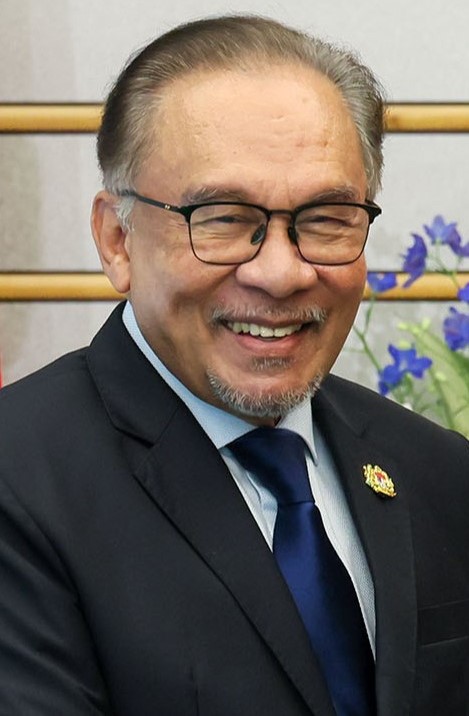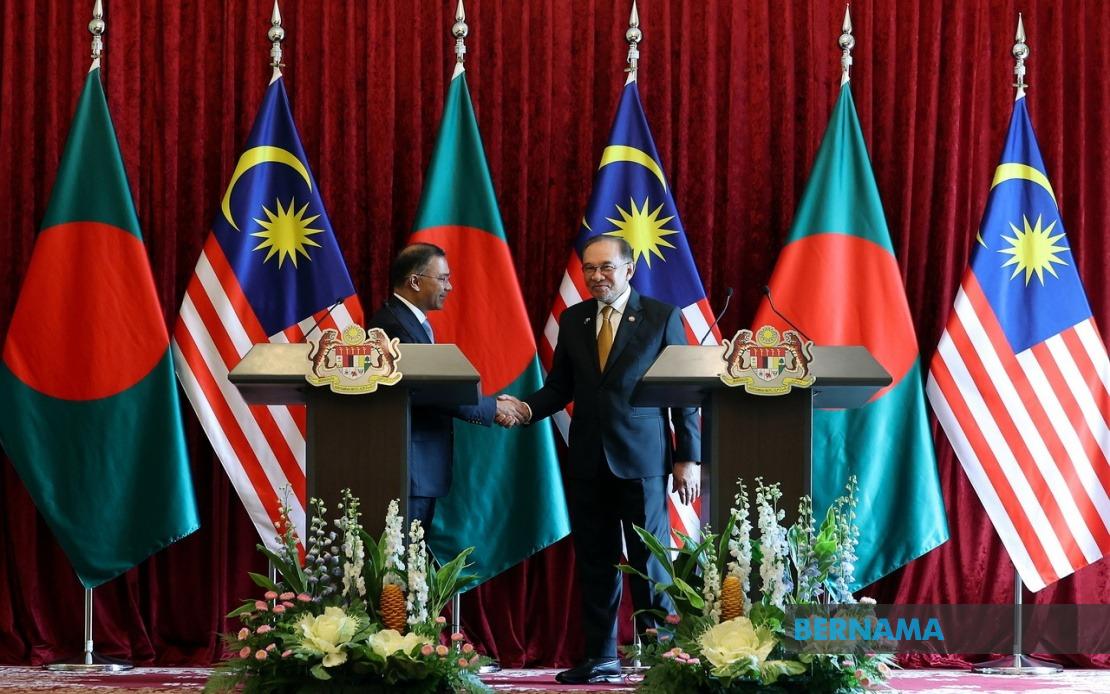
Malaysia and Bangladesh have reached a significant agreement on the urgent need to eliminate exploitation and mistreatment of migrant workers, marking a watershed moment in bilateral labour cooperation. Prime Minister Datuk Seri Anwar Ibrahim underscored this commitment during a joint press conference with visiting Bangladesh Prime Minister Tarique Rahman in Putrajaya on June 22, signalling that both nations recognise the gravity of humanitarian concerns that have long plagued their labour-exchange relationship.
The joint position reflects growing international pressure and regional awareness that Southeast Asia's reliance on migrant workforces must be balanced against fundamental protections for vulnerable foreign workers. Malaysia has historically depended on Bangladeshi workers to fill labour shortages across construction, manufacturing, agriculture, and domestic service sectors—making this bilateral accord particularly significant for the hundreds of thousands of Bangladeshis employed in Malaysian workplaces. Anwar's explicit acknowledgment that human resource cooperation has "invited lots of scandals and concern, particularly humanitarian issues" demonstrates a willingness to confront the systemic problems that have plagued the sector for decades.
At the heart of the agreement lies a commitment to establishing more transparent and equitable recruitment mechanisms. Both leaders recognised that the current system has created openings for exploitation, with workers often subjected to excessive recruitment fees, wage theft, contract manipulation, and unsafe working conditions. Anwar emphasised that Malaysia and Bangladesh must "take the lead in stopping the excesses," positioning the two nations as potential models for ethical labour migration within the region. This approach could carry substantial implications for other Southeast Asian countries grappling with similar challenges in their migrant worker frameworks.
Protecting the welfare of migrant workers extends beyond individual employment contracts—it encompasses safeguarding their families back home, who often depend entirely on remittances from abroad. Anwar's emphasis on family protection acknowledges that exploitation reverberates across borders, affecting not just workers themselves but entire households and communities in Bangladesh. This family-centred perspective represents a more holistic understanding of labour migration's social and economic impact, suggesting that future bilateral arrangements may incorporate mechanisms to monitor remittance flows and ensure workers can safely send money home.
Bangladesh's formal request to Malaysia to increase recruitment of its nationals and reopen the labour market reflects the economic importance of Malaysian employment to Bangladesh. With millions of Bangladeshi workers abroad, primarily in the Gulf states and Southeast Asia, Malaysia remains a crucial destination. However, the willingness to attach this expansion request to stronger protections suggests Bangladesh is adopting a quality-over-quantity approach to labour exports. This shift could influence how Bangladesh negotiates with other destination countries, potentially raising standards across the region.
The timing of this bilateral agreement coincides with broader international scrutiny of labour practices in Southeast Asia. The International Labour Organization, governments, and non-governmental organisations have increasingly highlighted the vulnerability of migrant workers to trafficking, forced labour, and wage exploitation. Malaysia's explicit commitment to transparency in recruitment systems signals responsiveness to these concerns and may help rehabilitate the country's international reputation on labour rights, which has faced criticism from various human rights bodies.
For Malaysian employers and industries dependent on foreign labour, this agreement likely portends stronger regulatory oversight and compliance requirements. Recruitment agencies, currently often acting as intermediaries that extract excessive fees from workers, may face tighter restrictions on their operations. Companies importing foreign workers will probably encounter enhanced verification processes and periodic audits to ensure contractual compliance. While this creates administrative burdens, it could ultimately stabilise the labour market by reducing disputes and improving workforce productivity.
The emphasis on bilateral standards-setting between Malaysia and Bangladesh could establish a template for other bilateral labour agreements within Southeast Asia. Unlike multilateral agreements, which can be slow to implement, bilateral accords allow for country-specific solutions tailored to each nation's labour market dynamics and regulatory frameworks. If Malaysia and Bangladesh successfully implement transparent recruitment systems and effective worker protection mechanisms, other nations may seek to replicate these models, gradually raising baseline standards across the region.
Implementation will be crucial to determining whether this agreement translates into meaningful change. Both countries must establish robust monitoring mechanisms, create accessible complaint channels for workers, and impose meaningful penalties on employers and recruiters who violate standards. Bangladesh, as the sending country, holds particular leverage in enforcement—it can temporarily or permanently ban recruitment by non-compliant Malaysian companies or agencies. Malaysia must reciprocate by strengthening domestic labour inspections and prosecution of violators.
The broader economic context underscores why this agreement matters. Malaysia's aging population and shrinking workforce necessitate continued reliance on foreign labour for decades to come. Bangladesh, with a younger demographic profile but limited domestic job creation, will continue exporting workers. Rather than allowing this necessity to drive a race to the bottom on standards, both nations have recognised that sustainable labour migration requires fundamental protections. This principle—that economic necessity and human dignity need not be mutually exclusive—represents the genuine progress emerging from this bilateral commitment.