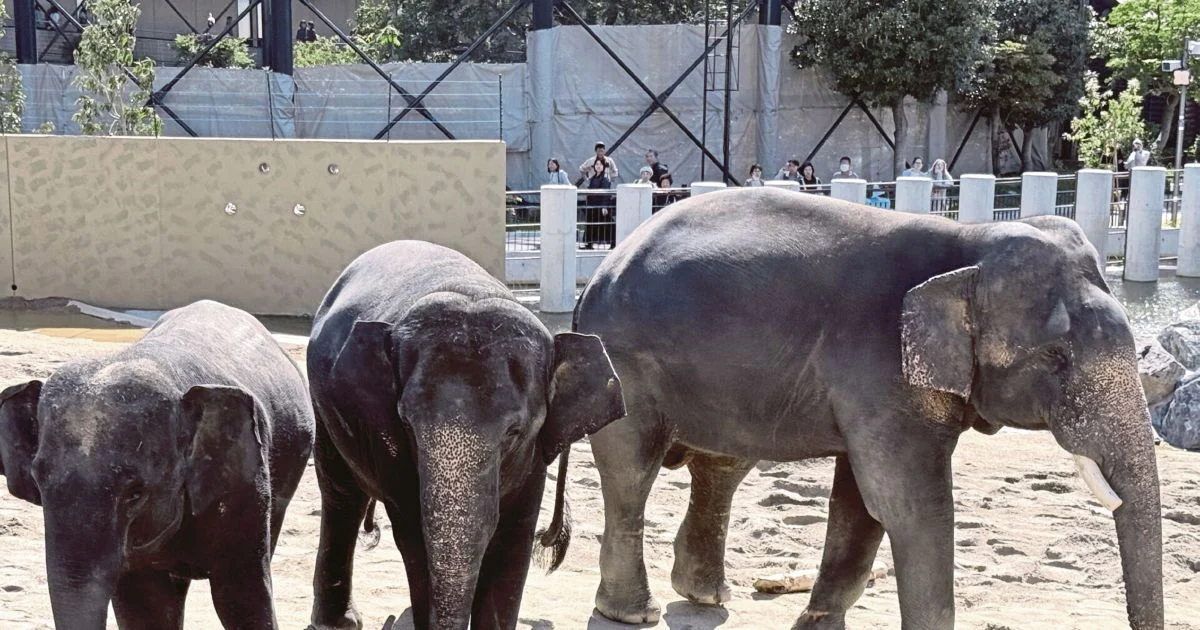
The Malaysian Anti-Corruption Commission has initiated a formal investigation into the transfer of three Asian elephants from Zoo Taiping to Tennoji Zoo in Osaka, Japan, marking a significant development in scrutinising international wildlife movements orchestrated by Malaysian public institutions.
The probe represents growing institutional attention to how national assets, including animal populations in government-managed facilities, are handled when it comes to cross-border arrangements. Zoo Taiping, situated in Perak and maintained by the state authority, has long been recognized as a custodian of significant wildlife collections. The relocation of such prominent animals to an overseas destination has prompted the anti-corruption body to examine the documentation, approvals, and decision-making processes involved in facilitating the arrangement.
Tennoji Zoo, located in Osaka and operating as a major zoological institution in Japan, has historically engaged in animal exchange programmes with facilities across Asia and beyond. Such transfers are typically justified on grounds of conservation breeding programmes, cultural exchange, or animal welfare considerations. However, the involvement of Malaysia's corruption watchdog suggests questions have emerged regarding whether proper protocols were followed and whether the transaction served the genuine interests of both the animals and the public institutions involved.
The three elephants represent substantial biological and financial resources held in public trust. Asian elephants are classified as endangered species under international conservation frameworks, making their movement a matter of both conservation significance and regulatory importance. The MACC's decision to investigate indicates that concerns may have arisen regarding compliance with wildlife protection legislation, financial propriety, or governance standards applicable to the transfer process.
For Malaysian readers, this development carries implications for how government wildlife facilities manage their collections and engage in international partnerships. Zoo Taiping draws visitors from across Malaysia and regionally, making decisions affecting its animal populations a matter of public interest. The investigation underscores the importance of transparency and accountability in such arrangements, particularly when rare and protected species are involved.
The investigation also reflects broader regional patterns regarding wildlife trafficking and animal welfare concerns. Southeast Asia has experienced documented challenges with illegal wildlife trade and the exploitation of captive animals. By examining this transfer, the MACC aims to verify that the movement of Zoo Taiping's elephants occurred through legitimate, properly documented channels with appropriate oversight.
International zoo transfers typically require coordination between multiple agencies, including wildlife authorities, transport specialists, and the receiving institution. Documentation must typically demonstrate compliance with the Convention on International Trade in Endangered Species (CITES) and domestic wildlife protection laws. The MACC investigation will likely examine whether all such requirements were systematically fulfilled and whether decisions were made through properly constituted committees with adequate representation and oversight.
Stakeholders including conservation advocates, government wildlife officials, and the general public have expressed varying perspectives on animal transfers. Some argue such arrangements facilitate breeding programmes that strengthen genetic diversity of endangered populations in captivity. Others contend that relocating animals away from their home institutions diminishes public access to these species and raises welfare questions about adaptation to unfamiliar environments and caretaking standards.
The timing of the investigation reflects heightened scrutiny of government operations following various corruption cases in Malaysia. Public institutions have increasingly faced questions about management practices, particularly regarding significant decisions affecting valuable assets. This investigation signals that wildlife facilities should expect similar standards of governance accountability that apply to other government entities.
For Zoo Taiping and Perak's state authorities, the investigation creates both challenges and an opportunity to demonstrate institutional integrity. Comprehensive documentation and transparent communication about the transfer rationale can help address public concerns. If procedures were properly followed, cooperative engagement with the anti-corruption commission can validate the decision-making process.
The broader implications for Southeast Asia's zoo community warrant consideration. Other regional facilities may similarly face questions about their animal transfer protocols. Establishing clear, standardised procedures for international wildlife movements could strengthen institutional credibility and enhance conservation outcomes across the region.
As the investigation proceeds, outcomes could reshape how Malaysian government wildlife institutions approach international partnerships. Greater emphasis on transparency, competitive bidding for such arrangements, and independent oversight would likely emerge from any findings of irregularities. Conversely, substantiation of proper procedures could provide reassurance that Malaysia's wildlife institutions operate according to international best practices and governance standards.

