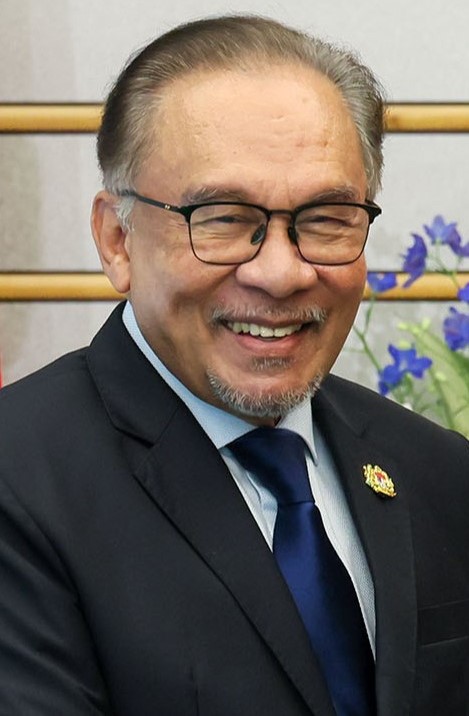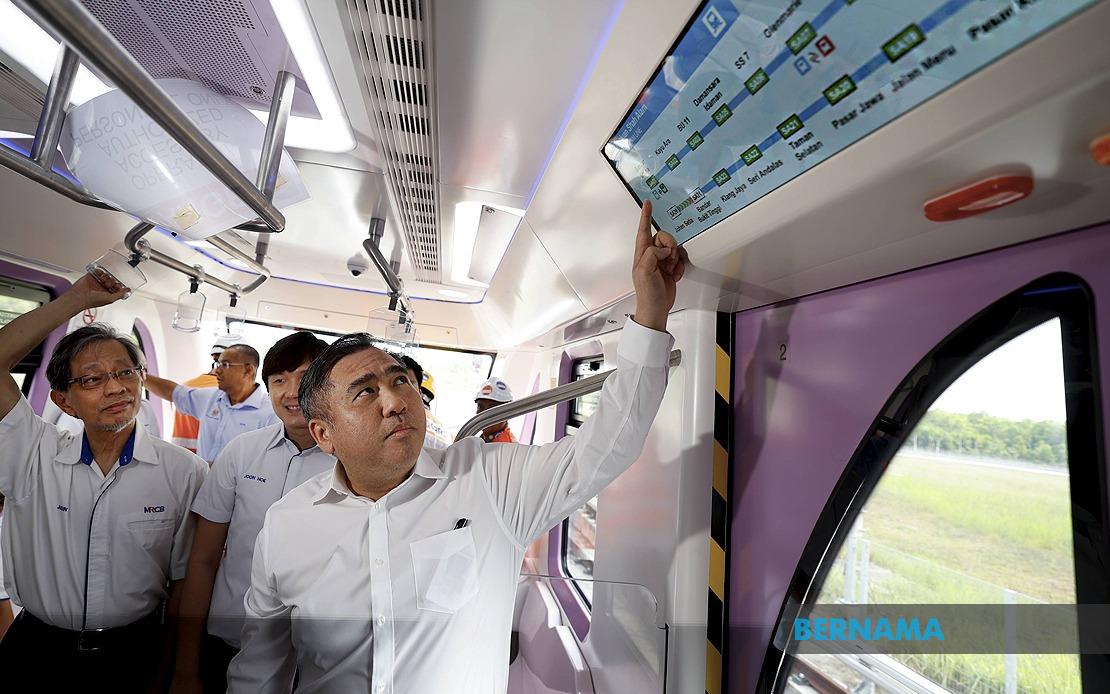
Malaysia's newest rail corridor will open to commuters on Monday, June 29, as the Light Rail Transit 3 line begins operations along the western Klang Valley. Transport Minister Anthony Loke confirmed the launch timeline during a media appearance at Terminal Bersepadu Selatan, noting that Prime Minister Datuk Seri Anwar Ibrahim will officiate the ceremonial opening scheduled for Sunday, June 28, followed by immediate commencement of regular services the next day.
The LRT3 project represents a significant infrastructure milestone for the nation's metropolitan regions, stretching across 37.8 kilometres from Bandar Utama in the northern section to Johan Setia in Selangor's southern reaches. This substantial distance translates into comprehensive rail coverage that bridges previously underserved communities and commercial hubs throughout the corridor. The route's strategic positioning along the western flank of the Klang Valley positions it as a vital transportation artery for one of Malaysia's most densely populated urban zones.
Official projections indicate the line will serve approximately two million residents across its service area, making it a major addition to the region's public transport capacity. This population figure underscores the demographic density of western Selangor and highlights the acute transportation demands that the new corridor aims to address. For comparison, existing rail lines in the Klang Valley have similarly substantial catchment areas, yet the concentration of two million potential users within one line's vicinity demonstrates the scale of urban development in this region.
The corridor has been engineered to enhance connectivity across critical zones that support Malaysia's economic activity. Residential areas along the route will gain direct rail access to employment centres, while commercial districts benefit from improved people movement that traditionally congests road networks during peak hours. Industrial facilities positioned throughout the corridor gain logistical advantages through enhanced worker accessibility, potentially boosting productivity and operational efficiency across multiple sectors.
Minister Loke's announcement at the newly opened Road Transport Department branch underscores the government's broader commitment to expanding multimodal transportation networks. The timing of these announcements reflects coordinated efforts to present unified transport infrastructure improvements to the public. The JPJ facility opening and LRT3 commencement both represent investments in public convenience and urban mobility management.
The LRT3 project's completion addresses longstanding connectivity gaps that have characterised western Klang Valley development patterns. Residential expansions in Shah Alam and surrounding municipalities have historically outpaced public transport provision, creating reliance on private vehicles and contributing to chronic traffic congestion. This new rail option introduces alternatives that could gradually shift commuting patterns and reduce vehicular pressure on increasingly saturated road networks throughout the region.
From an economic perspective, the rail line's opening coincides with Malaysia's broader urban development trajectory. Enhanced connectivity typically attracts business investment to previously peripheral areas, accelerating commercial development and property appreciation along service corridors. Real estate markets in Bandar Utama, Shah Alam, and Johan Setia have likely already begun pricing in the accessibility improvements that Monday's launch will deliver.
The environmental implications warrant consideration as well. Shifting commuters from private vehicle usage to rail transit generates measurable reductions in carbon emissions and air pollution across urban zones. The Klang Valley's persistent air quality challenges during peak seasons could benefit from sustained mode shifts toward public transport utilisation. Over extended periods, even modest percentages of commuters transitioning from cars to rail represents meaningful environmental improvement.
Integration with existing transport infrastructure will determine the LRT3's ultimate success in urban mobility solutions. Seamless transfers to other rail lines, bus networks, and feeder services enhance the corridor's utility for passengers. The routing between Bandar Utama and Johan Setia positions it to complement existing Light Rail Transit lines and the Klang Valley Integrated Transport System's broader network objectives.
For Malaysian commuters accustomed to congestion and extended travel times throughout western Klang Valley, the June 29 opening marks a tangible expansion of transport alternatives. The two million residents within the service zone represent diverse demographics with varying transportation needs, from daily commuters to occasional users. Initial weeks of operation will reveal actual demand patterns and capacity requirements.
The ceremonial dimension of Prime Minister Anwar Ibrahim's officiating role reflects the project's political significance within Malaysia's infrastructure narrative. Major transport inaugurations serve symbolic functions beyond their practical benefits, representing government commitment to development continuity and urban quality-of-life improvements. Such high-level participation signals confidence in the project's completion and anticipated performance.
Looking forward, the LRT3's operational phase will provide empirical data regarding ridership patterns, revenue generation, and broader transport ecosystem impacts. Stakeholders including businesses, property developers, and urban planners will monitor performance metrics closely. The line's success could influence future transport investment decisions across Malaysian metropolitan areas facing similar connectivity challenges.