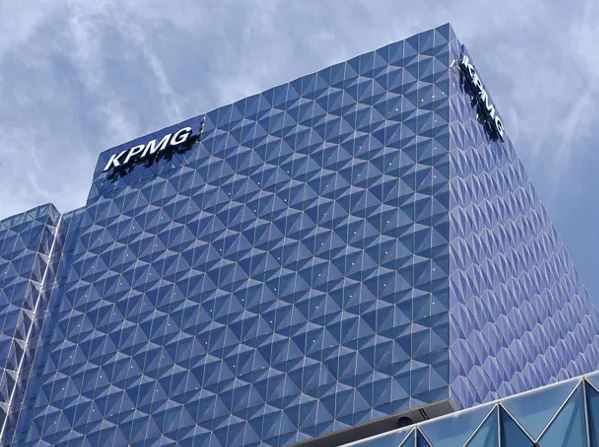
The management crisis at KPMG Australia deepened on Tuesday when the accounting giant announced that Chairman Martin Sheppard and two senior audit partners, Paul Rogers and Eileen Hoggett, have stepped down. The resignations represent the latest casualties from a widening scandal that has already claimed the firm's Chief Executive Officer and head of audit, signalling the gravity of the situation and potentially the scale of misconduct uncovered within the organisation.
The departures follow serious allegations that KPMG improperly exploited confidential information obtained from client real estate company Lendlease to gain competitive advantages in securing major audit contracts. Interim CEO Stan Stavros acknowledged the failures in a brief statement, saying the firm had fallen short of expected professional standards and recognising the damage caused to the whistleblower, staff, clients and the broader community. His remarks underscored an implicit admission that the firm's conduct violated both professional ethics and regulatory expectations.
According to allegations made public in March, the misconduct involved the improper handling of confidential board papers belonging to Lendlease. These sensitive documents were reportedly utilised to strengthen KPMG's proposals when bidding for lucrative audit assignments. The practice represents a fundamental breach of client confidentiality—a cornerstone principle in professional services where trust and discretion are paramount. For Malaysian readers and businesses across Southeast Asia, the scandal raises uncomfortable questions about due diligence when selecting audit partners and the safeguards necessary to protect sensitive corporate information.
The roles played by Rogers and Hoggett amplified the reputational damage. Both partners served as lead figures on the Lendlease audit team where the misconduct allegedly occurred, placing them at the centre of the controversy. This direct involvement likely accelerated both their resignations and investigations by Australia's corporate regulator. Their departures signal that senior leadership cannot shield themselves from accountability, even in complex organisational situations where multiple parties may share responsibility for failures.
The regulatory scrutiny has intensified considerably. Australia's corporate watchdog is currently investigating both Rogers and Hoggett, suggesting the regulator has sufficient grounds to examine their personal conduct and decision-making during the period in question. Such investigations often examine communication records, decision-making processes and the chain of authority that allowed misconduct to occur. The ongoing probe indicates this matter extends beyond internal disciplinary action and carries legal implications for individuals involved.
KPMG's response strategy now emphasises structural reform and governance improvements. The firm has committed to appointing an independent chair and expanding independent representation on its Australian board. These moves aim to restore confidence by introducing external oversight and reducing the concentration of decision-making among incumbents potentially compromised by prior knowledge or involvement in the scandal. However, observers note that governance restructuring, while necessary, represents a slower remedy than the immediate resignations themselves.
For multinational corporations and government entities across Malaysia and Southeast Asia that engage KPMG for audit services, the scandal presents practical considerations. It highlights the importance of establishing comprehensive data protection protocols within audit engagements and understanding how professional service firms safeguard sensitive information. Many organisations in the region conduct substantial audit work with international firms, making the ethical standards and controls at these firms directly relevant to local boardrooms.
The cumulative departures at KPMG Australia also reflect broader trends in corporate accountability. Pressure from whistleblowers, combined with regulatory enforcement and public disclosure requirements, has made it increasingly difficult for organisations to contain reputational damage through internal management alone. The cascading resignations suggest the scandal's severity demanded visible leadership consequences, with each successive departure intended to demonstrate the firm's commitment to accountability.
Industry analysts expect the Australian regulator's investigation will likely extend across KPMG's service offerings and governance frameworks more broadly. Such inquiries typically examine whether similar patterns of conduct occurred elsewhere or whether systemic weaknesses enabled the Lendlease situation. The outcomes could influence regulatory expectations across the profession in Australia and potentially influence regulatory approaches in neighbouring jurisdictions including Malaysia.
For KPMG, the path forward involves not only satisfying regulatory requirements but also rebuilding client confidence in a highly competitive market. The firm's ability to retain existing clients and secure new engagements will depend partly on whether the leadership changes and governance reforms are perceived as genuine responses to systemic failures rather than cosmetic adjustments. Clients will scrutinise both the independence of new board members and the substantive changes in how audit work is conducted and overseen.
The scandal also carries implications for professional standards across the region. Audit firms operating in Malaysia, Singapore and other Southeast Asian economies may face heightened scrutiny regarding their data governance practices and information barriers between teams. Regulatory bodies across the region could potentially tighten requirements for documenting how confidential information is handled, particularly in situations involving potential conflicts of interest or competitive audit processes.