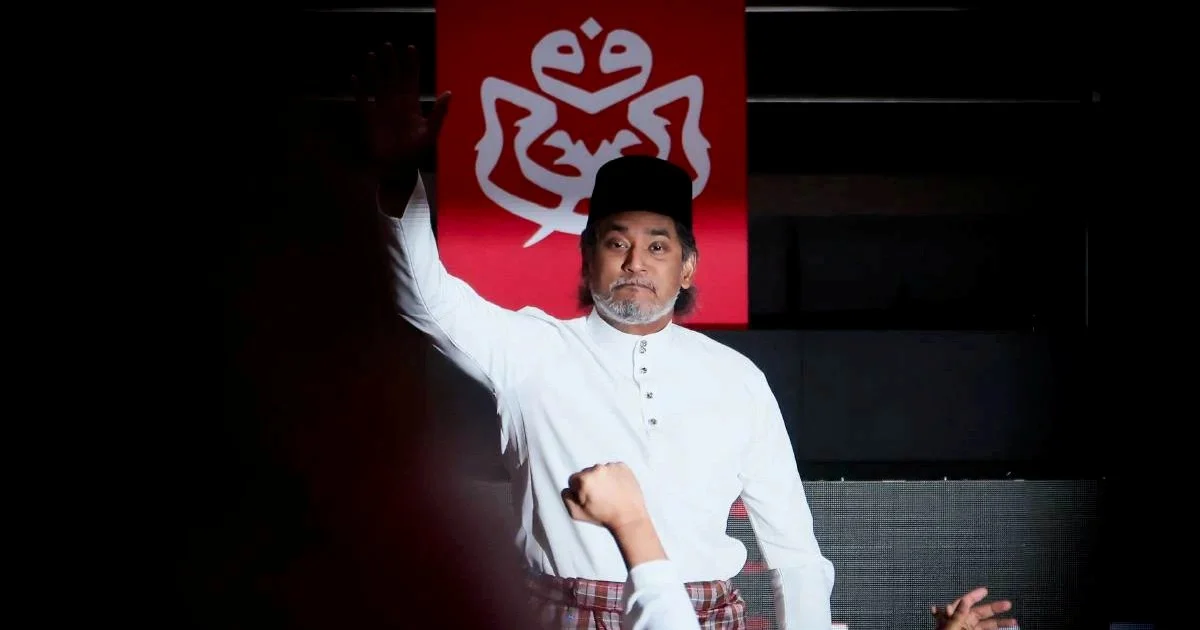
Khairy Jamaluddin, the former member of parliament for Rembau, has chosen to place the question of his candidacy in the upcoming Negri Sembilan state election squarely in the hands of Umno's top brass. The August 1 contest represents a pivotal moment for the coalition, and Khairy's willingness to defer to party hierarchy underscores the intricate political calculus that senior figures must navigate within Malaysia's largest Malay-Muslim political party. This move reflects a measured approach to candidate selection in a state where Umno's fortunes have fluctuated considerably in recent electoral cycles.
The decision to abstain from making an independent declaration about his electoral prospects demonstrates the importance that Khairy places on party unity and institutional process. Rather than publicly staking a claim to the candidacy or announcing a preference, he has instead emphasised that the party apparatus should guide this determination. This approach contrasts with the sometimes contentious candidate selection processes that have characterised recent Malaysian elections, where prominent figures have occasionally pursued nomination through media campaigns or public pressure.
Negri Sembilan has proven strategically significant for Umno and its coalition partners in recent years. The state election will test the Barisan Nasional's organisational strength and its ability to mobilise support at the state level, particularly given the competitive dynamics that have emerged across Malaysian politics since the watershed 2018 general election. Khairy's potential participation adds another variable to the coalition's planning for the contest, as his profile and political capital could prove valuable in several constituencies.
Khairy's career trajectory has made him a notable figure within Umno's contemporary landscape. His previous service as Rembau's representative and his roles in various ministerial and party positions have established him as an influential voice within the party's management structures. However, the decision to leave candidacy questions to the leadership suggests he is operating within established party protocols rather than pursuing an independent agenda on candidate selection matters.
The timing of this deference to party leadership comes as Umno continues to strengthen its position within the Barisan Nasional coalition. The party has undertaken significant internal reorganisation and repositioning in the wake of previous electoral challenges, and candidate selection for state-level contests represents a crucial element of this broader strategic effort. Senior leadership's role in determining who represents the party in key constituencies has become increasingly centralised as party officials seek to optimise electoral performance and ensure coherent coalition messaging.
Negri Sembilan's electoral dynamics warrant careful consideration from the coalition's perspective. The state has demonstrated shifting voter preferences in recent elections, with results reflecting broader national political trends. Umno's success in fielding competitive candidates who can appeal to the state's diverse electorate will significantly influence overall performance. Khairy's experience and connections could potentially strengthen the coalition's candidacy pool, depending on which constituencies the party identifies as priority areas.
The August 1 election date has focused attention on how well the Barisan Nasional can consolidate support at the state level. Unlike federal elections where national issues tend to dominate discourse, state contests often hinge on local concerns and community relationships. The coalition's candidate selections therefore carry particular weight in determining how effectively it can address constituent concerns and maintain competitive positioning against opposition parties that have themselves been refining their own electoral strategies.
Khairy's approach aligns with conventions within Umno that emphasise collective decision-making among senior party officials when determining candidacy for significant electoral contests. This institutional framework reflects both the party's historical structures and contemporary efforts to prevent the factionalism that has occasionally complicated candidate selection processes. By explicitly deferring to the party leadership, Khairy signals respect for these processes while maintaining flexibility regarding his own political future.
The decision also carries implications for how Umno manages competing ambitions among its senior figures. Malaysia's largest party encompasses numerous politicians with substantial political bases and aspirations, and careful management of candidacy decisions helps prevent internal discord that could undermine campaign effectiveness. By accepting party leadership's determination on this matter, Khairy demonstrates the kind of institutional commitment that party officials believe strengthens overall organisational cohesion.
As the August 1 contest approaches, Umno's final candidate selections across Negri Sembilan's constituencies will reveal the party's strategic priorities and assessment of which figures can best advance its electoral interests. Khairy's willingness to accept party leadership's guidance on his own candidacy may serve as a signal to other senior figures about the importance of supporting whatever candidate slate the party ultimately determines. This coordinated approach could prove significant in whether the Barisan Nasional can achieve its objectives in what promises to be a closely watched state election that carries broader implications for Malaysian political dynamics.