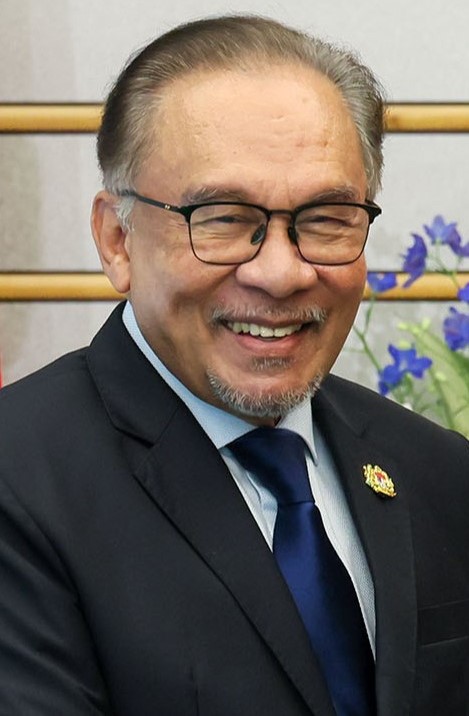
The Pakatan Harapan coalition has firmly rejected suggestions that Johor state has been sidelined by the federal administration, countering that development funding commitments to the southern state have substantially increased since Prime Minister Datuk Seri Anwar Ibrahim took office. This defence of the government's spending priorities reflects deeper political tensions surrounding resource distribution between Kuala Lumpur and Malaysia's states, particularly those with strong opposition representation.
The assertion that Johor has received heightened investment comes as various stakeholders question whether the federal government's allocation formula fairly distributes resources across all states. Within Malaysia's competitive political landscape, where state governments may be controlled by different coalitions than the federal administration, questions about equitable funding have become increasingly contentious. The emphasis on concrete figures signals an effort to counter narratives that might resonate with voters in a state where political competition remains fierce.
Johor's economic importance extends beyond its southeastern location. The state serves as Malaysia's second-largest economy, hosting significant manufacturing, tourism, and port operations. Its proximity to Singapore further amplifies its strategic value in regional trade and investment flows. Any perception of federal neglect could potentially undermine economic development initiatives and investor confidence in the state's growth trajectory. The coalition's push to highlight spending commitments therefore addresses not merely a political accusation but also potential economic consequences.
The RM14.6 billion allocation figure represents a substantial commitment if sustained across multiple fiscal years. However, context matters considerably when evaluating such figures. The baseline years for comparison, the timeline across which allocations were distributed, and the nature of projects funded all shape whether this represents genuine prioritisation or merely standard development expenditure. Malaysian readers familiar with budget announcements will recognise that declared allocations sometimes exceed actual disbursement rates, making the distinction between pledged and delivered funds operationally significant.
Packatan Harapan's defence suggests that opposition voices, likely from Barisan Nasional or other coalitions with stronger representation in Johor, have successfully amplified claims of unfair treatment. Political opponents may selectively highlight particular regions or sectors receiving less attention while omitting others where investment has accelerated. This selective narrative-building represents standard political opposition strategy but can effectively shape public perception if left uncontested. The coalition's response indicates it recognises the stakes involved in allowing such narratives to dominate public discourse.
For Southeast Asian observers, Johor's situation reflects broader patterns affecting federal systems across the region. Thailand, Indonesia, and the Philippines all grapple with tensions between central governments and peripheral regions regarding resource allocation. Malaysia's experience offers instructive parallels about how political competition interacts with fiscal federalism, particularly when state and federal authorities answer to different political masters. These dynamics ultimately influence investment patterns, infrastructure development, and economic opportunity distribution.
The allocation announcement also carries implications for Malaysia's ongoing political realignment. Since the 2022 election that brought Anwar Ibrahim to power, state-level political configurations have continued evolving. Johor remains a critical battleground where the ruling coalition competes intensely for electoral support. Federal spending decisions, whether perceived as generous or miserly, directly affect voter sentiment and campaign narratives. Political parties understand that infrastructure projects, employment opportunities, and service delivery improvements connected to federal funding carry electoral consequences.
From an economic development perspective, the adequacy of RM14.6 billion requires assessment against Johor's population size, geographic area, and development needs. The state encompasses approximately 4.1 million residents spread across substantial territory, necessitating considerable investment in transportation networks, utilities, educational facilities, and healthcare infrastructure. Whether this allocation sufficiently addresses these requirements, compared to other states receiving different per-capita funding levels, requires detailed analysis beyond headline figures. Malaysian analysts will likely scrutinise the breakdown across sectors and districts to evaluate equitable distribution within the state itself.
These spending disputes frequently reflect disagreement about development priorities rather than simple resource scarcity. Johor state authorities may favour particular infrastructure projects—perhaps port expansion, high-speed rail connections, or industrial zones—while federal allocations target different priorities. Such misalignments between state-level aspirations and federal distribution mechanisms create genuine friction regardless of total funding quantum. Reconciling these different visions requires political negotiation extending beyond budget statements.
The timing of Pakatan Harapan's financial claims deserves consideration as well. Released during periods approaching state elections or significant political debates, such assertions serve multiple purposes simultaneously: demonstrating federal competence, rebutting opposition criticism, and potentially influencing voter preferences. Malaysian political observers recognise these tactical dimensions of resource announcements, understanding that facts and figures, while important, operate within broader strategic communications frameworks.
Moving forward, the substantive question persists regarding whether federal mechanisms for allocating development resources adequately reflect each state's needs and economic contributions. Federal-state fiscal relationships in Malaysia continue evolving, with ongoing discussions about revenue sharing formulas, special allocations, and infrastructure prioritisation. Johor's experience illustrates how these technical questions become politically charged, affecting both policy outcomes and electoral competition across Southeast Asia's established democracies.
Ultimately, Pakatan Harapan's defence of federal spending toward Johor represents more than a response to criticism. It reflects the coalition's understanding that perceptions of fairness and development progress shape electoral fortunes in strategically important states. Whether voters ultimately credit or dismiss these financial claims will depend on whether promised allocations translate into visible improvements in employment, services, and infrastructure quality within their communities.