Iran's chief negotiator Mohammad Bagher Qalibaf, who also serves as Parliament Speaker, touched down in Oman on Monday to conduct high-level discussions aimed at reshaping how the strategic Strait of Hormuz is managed and governed. The visit underscores Tehran's diplomatic push to establish fresh arrangements for one of the world's most critical maritime chokepoints. Accompanying Qalibaf was Abbas Araghchi, Iran's senior diplomat, signalling the significance Teheran places on these consultations. Upon arrival, the Iranian delegation received a formal welcome from Omani Foreign Minister Badr Albusaidi, reflecting the importance both nations attach to the dialogue.
The timing of this mission proves particularly significant given the broader regional context. Qalibaf and Araghchi had just concluded an intensive 18-hour negotiating session with American representatives in Switzerland mere hours earlier, operating under the mediation framework provided by Pakistan and Qatar. That session focused on operationalising a recently inked memorandum of understanding between Tehran and Washington, marking a notable diplomatic thaw between two historically adversarial powers. The decision to pivot immediately toward Oman suggests Iran views securing agreement with the sultanate as an integral component of a wider regional de-escalation strategy.
Oman's historical role as a neutral diplomatic interlocutor in the Persian Gulf makes it the natural choice for brokering these discussions. For decades, Muscat has cultivated relationships across the region's ideological and geopolitical divides, positioning itself as an honest broker capable of facilitating dialogue when other channels remain frozen. The sultanate's geographic positioning at the mouth of the Strait of Hormuz, combined with its demonstrated commitment to maritime security and freedom of navigation, renders it an essential stakeholder in any framework governing the waterway's future operations and safety protocols.
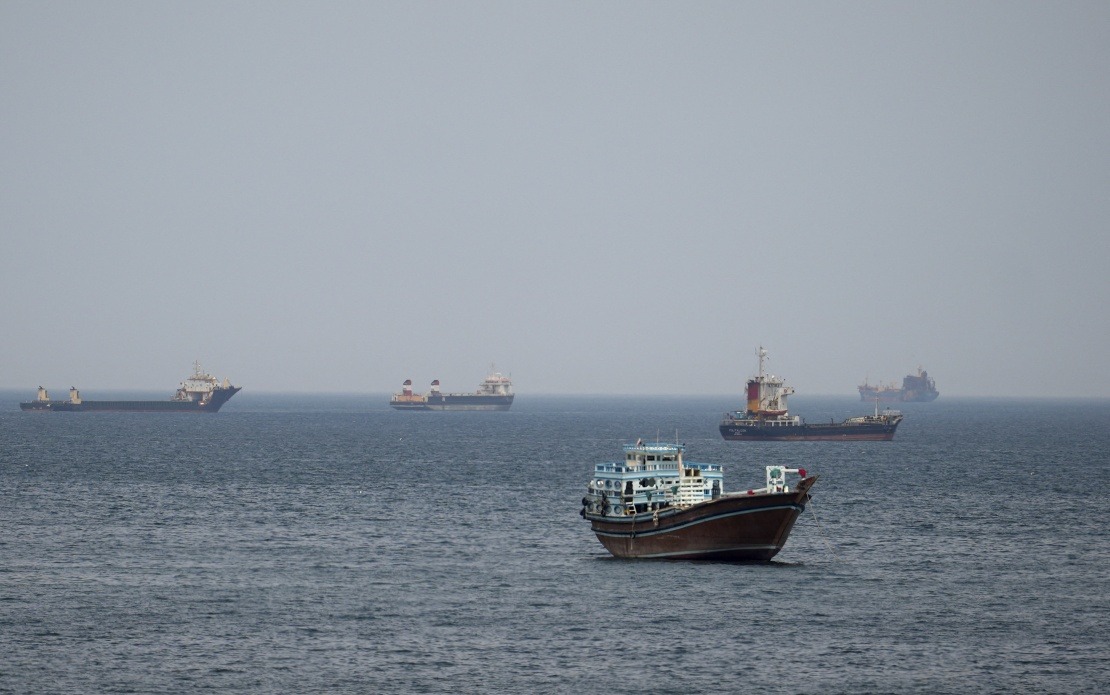
The substance of negotiations between Tehran and Muscat revolves around establishing mechanisms that would enhance stability within one of global commerce's most vital arteries. Approximately one-third of all seaborne petroleum trade transits through the Strait of Hormuz, making its security implications far-reaching for energy markets and economies worldwide. Malaysia, as a major trading nation and energy consumer, maintains substantial strategic interests in ensuring unimpeded passage and the prevention of any maritime disruptions that could reverberate through global supply chains and crude oil pricing structures.
In a joint statement, both Iranian and Omani authorities emphasised their commitment to leveraging the present diplomatic opening to advance peace initiatives across the region. Officials from both capitals stressed the paramount importance of utilising this moment of relative engagement to consolidate de-escalation efforts and reinforce stability mechanisms. The statement made explicit reference to anchoring these arrangements within international law frameworks and the principle of neighbourly conduct—language that suggests both parties recognise the necessity of embedding any new accord within broader legal and diplomatic norms.
Further, the two governments highlighted the imperative of safeguarding regional security architecture while simultaneously guaranteeing that maritime traffic through the Strait of Hormuz and adjacent international waterways remains protected from disruption. This dual emphasis reveals the delicate balance negotiators must strike: demonstrating respect for each nation's security concerns while simultaneously assuring the international community that commercial shipping will encounter no impediments to free passage. For regional economies dependent on energy imports and international commerce, this commitment carries substantial weight.
The Iranian delegation's itinerary included a scheduled audience with Omani Sultan Haitham bin Tariq, reflecting protocol expectations and the elevation of these discussions beyond technical maritime matters. The audience provided an opportunity to address bilateral cooperation between Tehran and Muscat, as well as broader questions of regional coordination and security architecture. Such leadership-level engagement signals that both governments view these conversations as transcending narrow maritime governance to encompass larger strategic questions affecting Gulf stability.
Qalibaf's multi-stop diplomatic tour demonstrates Iran's recognition that sustainable progress on any memorandum between Tehran and Washington requires parallel alignment with Gulf neighbours. The sequence of his movements—from Switzerland to Oman to consultation with Sultan Haitham—reveals a carefully choreographed diplomatic calendar designed to build consensus and prevent any single agreement from destabilising relationships elsewhere in the region. This approach reflects lessons learned from past crises when bilateral understandings between major powers produced unintended consequences for smaller Gulf states lacking direct input into negotiations.
For Southeast Asian nations like Malaysia, the successful conclusion of these talks carries tangible implications. A more stable Strait of Hormuz, governed by transparent frameworks that both Iran and its neighbours accept, would reduce the risk premium currently embedded in global energy prices and maritime insurance premiums. The reduction of uncertainty around one of the world's most strategically sensitive waterways would benefit resource-importing economies throughout the region by promoting more predictable energy costs and reducing geopolitical risk assessments affecting investment decisions and trade flows.
The broader geopolitical context shaping these negotiations involves a discernible shift in Washington's approach to regional engagement under evolving political circumstances. Rather than pursuing confrontational strategies, the current diplomatic overture suggests recognition that engagement, even in limited and mediated formats, may produce more durable outcomes than alternative approaches. Oman's willingness to facilitate these conversations, paired with Pakistan and Qatar's roles as mediators in the Swiss negotiations, demonstrates the network of relationships that underpins functional diplomacy in the contemporary Middle East.
Observers will closely track whether these initial consultations between Tehran and Muscat yield concrete proposals for new governance mechanisms. The success of such frameworks depends largely on whether participating parties can construct arrangements that satisfy divergent security requirements while adhering to established international maritime law. Any agreement emerging from these talks would represent a significant development in regional stability architecture, with reverberations extending well beyond the Persian Gulf into the calculus of maritime-dependent economies throughout Asia.