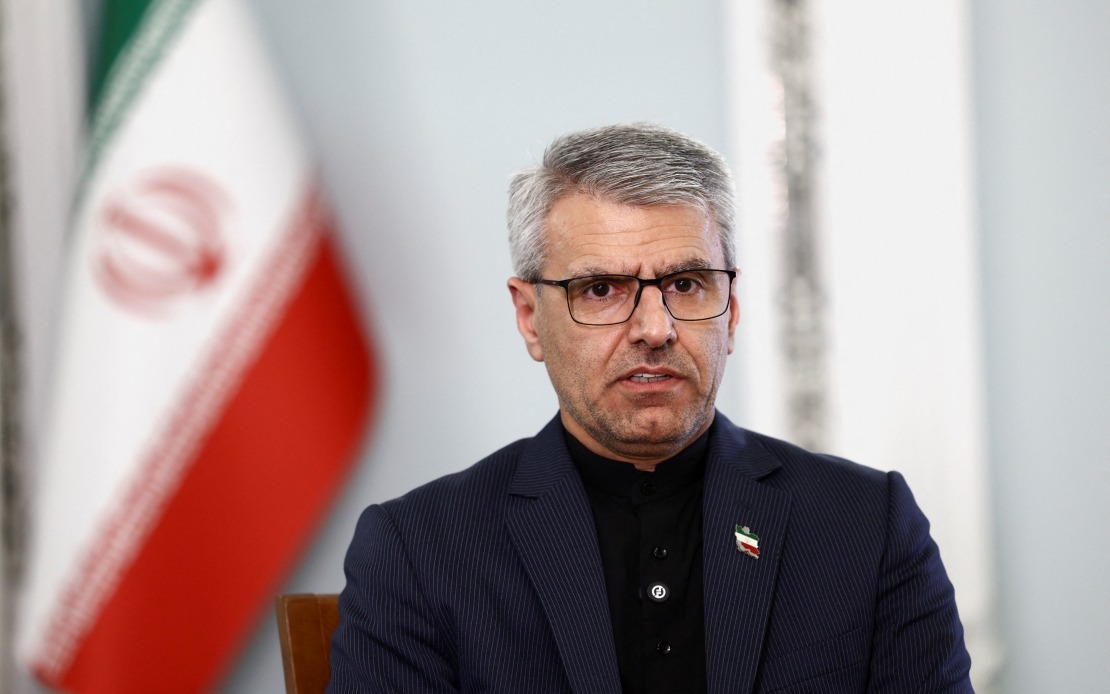
Diplomatic developments in Switzerland have raised fresh optimism for resolving long-standing tensions between Iran and the United States, following high-level negotiations at Burgenstock that concluded with Iran announcing concrete achievements. Foreign Ministry spokesman Esmaeil Baghaei characterised the discussions as having established "important steps" that would create conditions for substantive negotiations on a comprehensive final agreement, signalling that preliminary procedural obstacles may have been cleared.
The four-party talks, which included key regional mediators, represented a significant diplomatic moment in efforts to resurrect the framework governing Iran's nuclear programme and broader bilateral relations. Baghaei's emphasis on verifying American commitment proved telling—his remark that "we hope that in implementation, we will witness seriousness from the other side" underscored Tehran's historical wariness about whether Washington would honour any understanding. This cautious optimism reflects the fraught history of previous negotiations and multiple failed attempts to resolve the nuclear dispute.
Among the negotiated outcomes, both delegations reached consensus on establishing what officials termed a "deconfliction cell," a novel monitoring mechanism that would involve neutral mediators overseeing the maintenance of ceasefires and the halting of hostile actions, with particular attention to instability in Lebanon. This innovation addresses a persistent anxiety in regional diplomacy—the need for institutionalised channels through which the two countries and their respective allies can manage flashpoints and prevent miscalculation from triggering wider conflict.
Progressively, the discussions moved toward practical economic matters that have long poisoned bilateral relations. Officials reported meaningful advancement on two fronts: securing regulatory approvals permitting Iranian oil exports and retrieving Iran's frozen or sequestered financial assets held abroad. These issues rank among Tehran's core demands, as sanctions-driven restrictions on oil revenues and asset access have devastated Iran's economy for years. Their inclusion in negotiations signals that both parties recognise economic normalisation as integral to any durable settlement.
The Strait of Hormuz, one of the world's most strategically vital maritime passages through which roughly one-third of global sea-borne traded oil transits, also featured prominently in the agenda. The parties committed to devising a coordinated mechanism designed to guarantee freedom of navigation and maritime stability in these contested waters, reflecting shared interest in preventing disruptions that would roil global energy markets and regional economies from Singapore to the Gulf.
Baghaei indicated that implementation of these agreements would proceed through technical working groups that would continue deliberating on the matters outlined as well as other technical questions required to effectuate what he described as a "memorandum of understanding." This layered approach—combining high-level political agreement with detailed technical implementation—has become standard practice in complex multilateral negotiations, though it also creates multiple junctures where complications can emerge.
In a complementary announcement, Qatar and Pakistan, both serving as mediators, issued a joint statement characterising the conclusion of the initial phase of elevated talks at the Lake Lucerne Summit as having generated "significant progress." The mediators proposed a structured timeline of 60 days for the negotiating parties to arrive at a final peace settlement, presumably encompassing both nuclear matters and broader security architecture in the region.
The reference to a memorandum signed the preceding week relating to termination of the US-Israeli military campaign dating from February 28 indicates that these discussions are embedded within a broader struggle to recalibrate Middle Eastern geopolitics. For Southeast Asian observers, the implications are noteworthy—resolution of Iran-US tensions could reshape energy market dynamics, maritime security protocols, and the strategic calculations of regional powers from the Indian subcontinent through to the Strait of Malacca.
Malaysia and other ASEAN nations maintain economic interests in sustaining open commerce through these critical waterways and managing energy supply chains that depend on unimpeded access to Persian Gulf petroleum. Any escalation in Iran-US hostilities threatens these interests directly through potential disruptions to shipping and volatility in crude oil pricing. Conversely, diplomatic progress offers the prospect of greater stability and predictability in global energy markets that feed regional economies.
The 60-day timeline proposed by Qatar and Pakistan represents an ambitious but achievable target, though historical experience with Iran nuclear negotiations suggests that deadlines often slip as technical complications and political sensitivities complicate final compromises. The agreement to establish monitoring cells and maritime security mechanisms, however, demonstrates that negotiators are thinking seriously about implementation architecture rather than merely drafting abstract principles.
For the broader Middle East and interconnected global system, these developments signal that diplomatic channels remain functional even amid profound mistrust and conflicting strategic objectives. Whether this momentum translates into a durable final agreement or fragments when parties confront zero-sum issues surrounding uranium enrichment limits, sanctions relief, and regional proxy activities remains uncertain. Nevertheless, the concrete agreements on procedural mechanisms and economic pathways suggest that both Washington and Tehran judge negotiation as preferable to the alternative of continued confrontation, a calculation that carries implications extending far beyond their bilateral relationship.