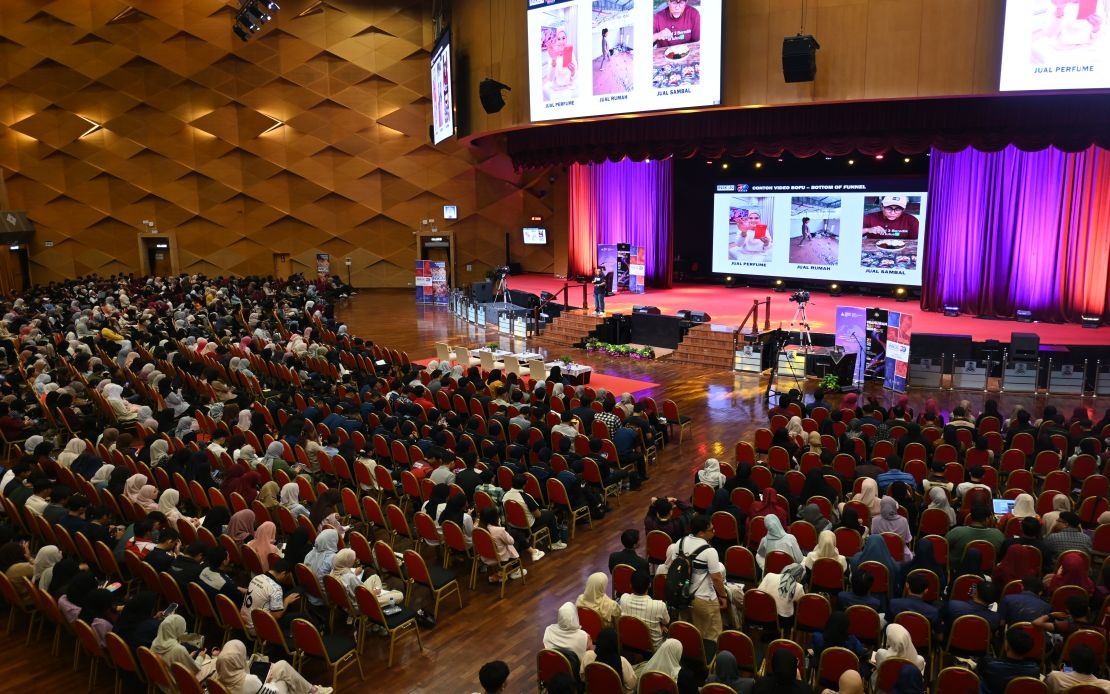
The National Entrepreneurship Institute (INSKEN) and Universiti Teknologi MARA (UiTM) have achieved a significant milestone by hosting the Usahawan MADANI Mega (SUM MEGA) 2026 entrepreneurship seminar on June 23, which attracted 6,877 participants across physical and online platforms. The event has been officially recognised by the Malaysia Book of Records as the largest student participation in an entrepreneurship seminar, reflecting the surging appetite among Malaysian youth for business-building knowledge and guidance.
Organised in partnership with the Malaysian Academy of SME and Entrepreneurship Development (MASMED), the seminar served as a comprehensive platform for UiTM students from institutions nationwide to engage in knowledge-sharing sessions, capacity-building workshops, and strategic networking opportunities centred on entrepreneurship. The scale of participation underscores a notable shift in how younger Malaysians perceive business ownership—no longer as a distant aspiration but as an achievable and desirable career trajectory aligned with their post-graduation goals.
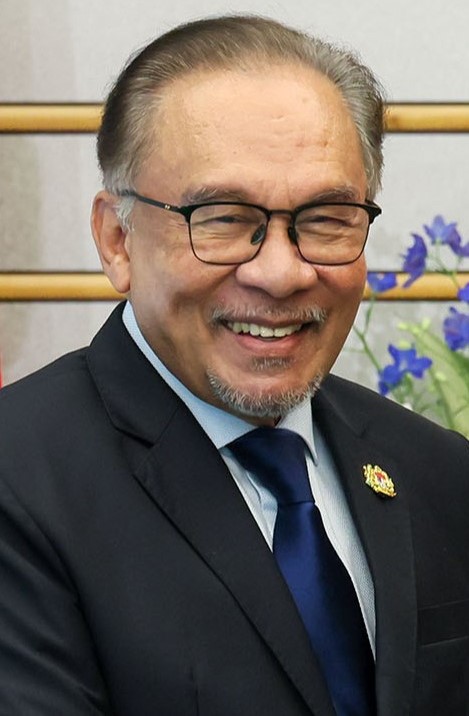
Datuk Mohamad Alamin, deputy minister for Entrepreneur and Cooperatives Development, highlighted the gathering as evidence of growing youth interest in entrepreneurship as a serious professional pathway. He emphasised that the shift towards entrepreneurial thinking reflects a broader understanding that business creation extends well beyond personal financial gain; it represents a fundamental economic strategy for national development. In Malaysia's increasingly competitive regional marketplace, where traditional employment pathways have become less predictable, entrepreneurship has emerged as a stabilising force capable of absorbing talent, retaining skills domestically, and channelling innovation into productive economic activity.
The MADANI government's commitment to fostering entrepreneurship was articulated through a multi-faceted approach encompassing capacity building, access to financing, market linkages, digital transformation, and comprehensive business development support. Speaking at Dewan Agung Tuanku Canseler, UiTM Shah Alam, Mohamad Alamin stressed that entrepreneurs function as critical economic agents who generate employment, stabilise local supply chains, catalyse innovation, and ultimately contribute to sustained prosperity. This framing positions entrepreneurship development not as a peripheral policy interest but as central to Malaysia's economic resilience and competitiveness in an era of rapid technological change and shifting consumer behaviour.
Datuk Mustaffa Kamil Ayub, chairman of the INSKEN Board of Trustees and UiTM board member, interpreted the record-breaking attendance as validation that entrepreneurial culture is taking root among Malaysians, particularly the younger demographic who will shape the economy over the coming decades. He advocated for a fundamental reorientation of how entrepreneurship is conceptualised—shifting from a narrow understanding of it as merely a career option to viewing it as a comprehensive mindset, cultural orientation, and social movement with the potential to reshape economic dynamics and drive national growth. This perspective aligns with international best practice, where countries with robust entrepreneurial ecosystems consistently outperform those where business creation remains marginalised or stigmatised.
The seminar's curriculum emphasised the MOFA approach, a framework that dissects entrepreneurial success into four interconnected dimensions: marketing, operations, finance, and business administration. By breaking down the complexity of business operation into these discrete yet interdependent areas, participants gained practical insight into the multifaceted demands of entrepreneurship. Rather than treating business as a monolithic challenge, the MOFA methodology enables aspiring entrepreneurs to identify skill gaps, prioritise development areas, and build systematic competence across domains essential for enterprise resilience and competitive positioning.
SUM MEGA 2026 functions as a strategic initiative designed to cultivate entrepreneurial thinking specifically among university-educated Malaysians—a cohort positioned to launch technology-driven ventures, scalable businesses, and innovative solutions addressing contemporary market needs. By targeting students and recent graduates, INSKEN and partner institutions aim to convert academic credentials into entrepreneurial outcomes, thereby creating a pipeline of informed, educated business founders who can compete internationally and contribute meaningfully to sectoral development across the economy.
Beyond the seminar itself, INSKEN operates a portfolio of sustained entrepreneurial development programmes including the INSKEN Masterclass, BANGKIT, and PROTÉGÉ initiatives, each designed to provide specialised mentorship, skill development, and ongoing support beyond initial exposure. This layered approach recognises that a single event, however well-attended, cannot transform entrepreneurial capability without follow-on mechanisms for application, refinement, and scaling of business concepts. The comprehensive ecosystem INSKEN has constructed therefore creates multiple entry and progression points for aspiring entrepreneurs at different stages of business development.
The broader significance of SUM MEGA 2026 extends beyond record participation numbers to encompass institutional collaboration and alignment with the National Entrepreneurship Policy 2030. The seminar functioned as a convening mechanism bringing together government agencies, universities, industry practitioners, financial institutions, enterprise development organisations, and private sector representatives in a unified effort to strengthen the entrepreneurial pipeline. This whole-of-system approach acknowledges that no single actor—whether government, academia, or business—can independently build a robust entrepreneurial ecosystem; success requires sustained coordination, resource alignment, and shared commitment to developmental outcomes.
For Southeast Asian observers, particularly those in neighbouring countries grappling with youth employment challenges and economic restructuring imperatives, Malaysia's investment in youth entrepreneurship offers instructive lessons. By channelling substantial institutional resources and political attention toward entrepreneurship education and support systems, Malaysia is attempting to address structural economic transitions through business creation rather than through labour market adjustment alone. The success of initiatives like SUM MEGA 2026 may therefore influence regional approaches to skills development and economic participation among younger cohorts facing disrupted employment landscapes and heightened competition for traditional positions.
The record-breaking scale of the seminar also signals market readiness—demonstrated appetite among young Malaysians for entrepreneurship guidance that extends beyond textbook theory to practical, immediately applicable business knowledge. This demand signal should inform investment decisions by both public and private stakeholders contemplating expanded support for startup ecosystems, venture capital mobilisation, and business development infrastructure. As Malaysia seeks to transition toward a higher-income economy powered by innovation and entrepreneurial dynamism rather than resource extraction or low-cost manufacturing, cultivating this entrepreneurial generation through mechanisms like SUM MEGA 2026 becomes not merely programmatic but strategically essential to long-term economic sustainability and competitiveness.