JAKARTA: Indonesia's Attorney General's Office (AGO) has widened its corruption probe into the free nutritious meals programme with the arrest of two additional suspects, building on charges already filed against three former officials at the National Nutrition Agency (BGN).
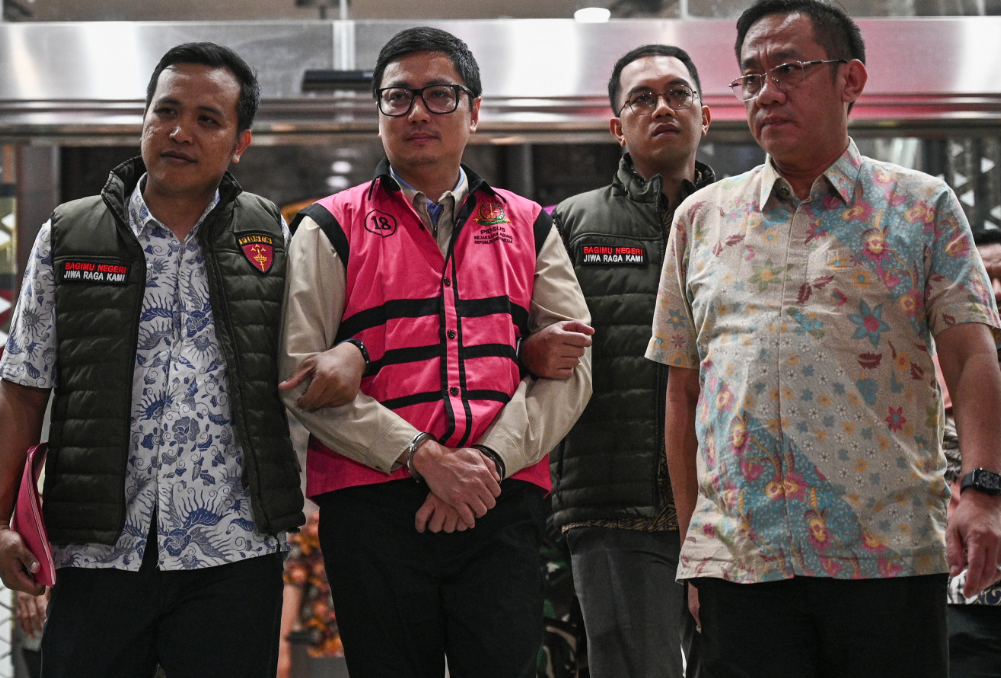
On Friday, June 12, investigators detained Andri Mulyono, a commissioner at logistics company PT Yasa Artha Trimanunggal, after accusing him of inflating costs on approximately 21,000 electric motorcycles destined for programme kitchens across the nation. The alleged scheme allowed expenditure to reach the BGN's budget ceiling of Rp 1.03 trillion (US$58.2 million). According to Syarief Sulaeman Nahdi, investigation director at the Office of Assistant Attorney General for Special Crimes, Andri profited through the manipulated purchasing process.
A second businessman, Asep Yusuf Somantri, was detained earlier in the week on allegations that he leveraged connections with former BGN deputy Sony Sonjaya to circumvent verification procedures for prospective programme partners. Investigators claim Asep exploited this access to sway kitchen registration decisions and push through applications beyond the official registration deadline.
The investigation has now encompassed five suspects total, including Sony and fellow ex-BGN deputy Lodewyk Pusung, both arrested on June 3 alongside former BGN head Dadan Hindayana hours after President Prabowo Subianto dismissed them from office. The AGO intends to question Sony again regarding his bid for justice collaborator status, which could implicate over 20 additional figures in the scandal.
The initiative, intended to address malnutrition by serving more than 80 million schoolchildren and pregnant women nationwide since its January 2025 launch, has been shadowed by operational failures and at least 33,000 documented food-poisoning incidents. A student-led demonstration on Friday, branded #MenujuIndonesiaBangkrut, demanded the programme's suspension, citing fiscal mismanagement. Government Communications Agency chief Muhammad Qodari countered on Saturday that the programme would persist, stating that implementation challenges were unavoidable and that discontinuation was not the remedy.