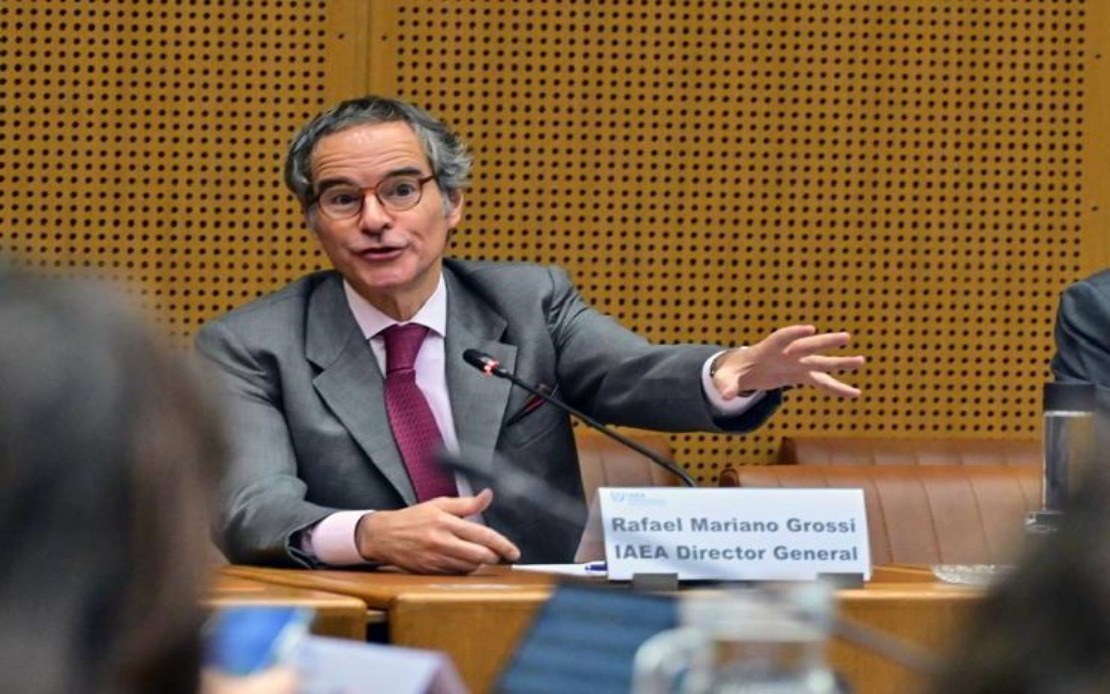
With tensions simmering over Iran's nuclear programme, the International Atomic Energy Agency's Director General Rafael Mariano Grossi has called for maximum diplomatic effort as United States and Iranian delegations prepare for direct talks scheduled for Sunday in the Swiss resort town of Burgenstock. Speaking from Istanbul, Grossi underscored that this critical juncture demands sustained commitment to negotiated solutions rather than confrontational posturing.
The talks represent a significant development in a long-running dispute that has periodically threatened regional stability and drawn international concern. The momentum toward dialogue crystallized after US President Donald Trump and Iranian President Masoud Pezeshkian reached an understanding outlined in what has been described as the Islamabad Memorandum of Understanding, establishing a foundation for these direct bilateral discussions. Switzerland's role as a neutral venue reflects the delicate diplomatic choreography required to bring the two parties to the negotiating table.
Grossi's emphasis on diplomacy carries particular weight given the IAEA's mandate to verify compliance with nuclear non-proliferation obligations. His recent meeting with Swiss Foreign Minister Ignazio Cassis in Burgenstock indicates close coordination between international institutions and the host government to facilitate productive negotiations. The IAEA chief highlighted Switzerland's historical contribution to multilateral diplomacy and its support for the watchdog's inspectorate work, positioning the country as a trusted intermediary in this sensitive matter.
For Malaysian policymakers and observers in Southeast Asia, the unfolding developments carry several implications. Any breakthrough in US-Iran nuclear diplomacy could reshape regional security dynamics, particularly given ongoing energy security concerns and maritime safety in waters vital to regional commerce. The talks also underscore how international diplomatic institutions like the IAEA can serve stabilizing functions when tensions escalate between major powers.
The Swiss Foreign Minister's separate engagement with Iranian Foreign Minister Abbas Araghchi ahead of the main bilateral discussions demonstrates the preparatory groundwork essential for meaningful negotiations. Such preliminary consultations allow parties to clarify positions, identify potential areas of agreement, and establish procedural frameworks that increase the likelihood of substantive progress. The involvement of multiple state actors in setting the stage suggests recognition that successful outcomes require careful diplomatic architecture.
Grossi's intervention on social media platforms reflects modern diplomatic practice where international officials leverage digital channels to shape narratives and reinforce messaging to global audiences. His statement carries implicit acknowledgment that nuclear negotiations require sustained international attention and support to withstand domestic political pressures that might otherwise derail progress. The IAEA director's role as neutral technical expert lends credibility to calls for persistence in diplomatic efforts.
The Islamabad agreement, though spare in public details, apparently contains sufficient mutual commitments to justify convening these direct talks. This suggests both Washington and Tehran have calculated that engagement serves their respective interests better than continued deadlock. Understanding the specific triggers that prompted this shift requires examining both sides' domestic political contexts and how each leadership framed the decision to the public back home.
For regional observers, particularly in Southeast Asia where strategic hedging between major powers remains common practice, the US-Iran talks offer lessons about how dialogue channels can be preserved and reactivated even after extended periods of tension. Malaysia and other regional states have long advocated for diplomatic solutions to regional disputes, and the current engagement between Washington and Tehran could provide a template worth studying for other contentious relationships.
The Burgenstock location carries symbolic importance as Switzerland has historically hosted sensitive negotiations including the Iran nuclear deal discussions that preceded the 2015 Joint Comprehensive Plan of Action. Switzerland's track record in hosting such talks, combined with its demonstrated commitment to multilateral institutions and nuclear non-proliferation frameworks, makes it a natural choice for high-stakes diplomacy. The selection of this venue suggests both parties wish to draw on institutional memory and proven processes from previous negotiations.
Grossi's call for diplomacy to be given every opportunity to succeed reflects awareness that nuclear negotiations involve multiple interconnected issues requiring patient, sustained engagement. Questions regarding uranium enrichment levels, stockpiles, inspection protocols, and sanctions relief rarely yield to quick agreements but instead demand technical expertise and political will sustained across multiple negotiating rounds. The IAEA's presence in this process ensures that any agreements reached incorporate robust verification mechanisms that protect all parties' interests.
Looking ahead, the success or failure of these talks will likely reverberate across multiple policy domains. Energy markets remain sensitive to developments affecting Iran's petroleum exports, which indirectly impact global crude prices. Additionally, Middle Eastern security dynamics, weapons proliferation concerns, and the broader question of how international institutions navigate great power competition all intersect with the outcome of these negotiations. Southeast Asian states, dependent on stable energy supplies and committed to rules-based international order, have vested interests in seeing these diplomatic efforts bear fruit.
The broader context reveals diplomacy requires not just the principals at the table but also supporting institutions like the IAEA, neutral host governments like Switzerland, and broader international consensus that negotiated solutions serve everyone's long-term interests. Grossi's public statements help maintain this consensus and remind stakeholders that technical expertise and institutional frameworks remain essential even when political relations are strained.
%22%2F%3E%3C%2Fpattern%3E%3C%2Fdefs%3E%3Crect%20width%3D%22100%25%22%20height%3D%22100%25%22%20fill%3D%22url(%23ph15hisg)%22%2F%3E%3Crect%20width%3D%22100%25%22%20height%3D%22100%25%22%20fill%3D%22url(%23ph15hisp)%22%2F%3E%3Ctext%20x%3D%2250%25%22%20y%3D%2250%25%22%20text-anchor%3D%22middle%22%20dominant-baseline%3D%22central%22%20fill%3D%22rgba(255%2C255%2C255%2C0.95)%22%20font-family%3D%22Georgia%2C%20'Times%20New%20Roman'%2C%20serif%22%20font-weight%3D%22700%22%20font-size%3D%22226%22%20letter-spacing%3D%22-0.02em%22%3EHamzah%3C%2Ftext%3E%3C%2Fsvg%3E)
%22%2F%3E%3C%2Fpattern%3E%3C%2Fdefs%3E%3Crect%20width%3D%22100%25%22%20height%3D%22100%25%22%20fill%3D%22url(%23ph3s8t0g)%22%2F%3E%3Crect%20width%3D%22100%25%22%20height%3D%22100%25%22%20fill%3D%22url(%23ph3s8t0p)%22%2F%3E%3Ctext%20x%3D%2250%25%22%20y%3D%2250%25%22%20text-anchor%3D%22middle%22%20dominant-baseline%3D%22central%22%20fill%3D%22rgba(255%2C255%2C255%2C0.95)%22%20font-family%3D%22Georgia%2C%20'Times%20New%20Roman'%2C%20serif%22%20font-weight%3D%22700%22%20font-size%3D%22170%22%20letter-spacing%3D%22-0.02em%22%3ETambirat%3C%2Ftext%3E%3C%2Fsvg%3E)
%22%2F%3E%3C%2Fpattern%3E%3C%2Fdefs%3E%3Crect%20width%3D%22100%25%22%20height%3D%22100%25%22%20fill%3D%22url(%23phl8txg)%22%2F%3E%3Crect%20width%3D%22100%25%22%20height%3D%22100%25%22%20fill%3D%22url(%23phl8txp)%22%2F%3E%3Ctext%20x%3D%2250%25%22%20y%3D%2250%25%22%20text-anchor%3D%22middle%22%20dominant-baseline%3D%22central%22%20fill%3D%22rgba(255%2C255%2C255%2C0.95)%22%20font-family%3D%22Georgia%2C%20'Times%20New%20Roman'%2C%20serif%22%20font-weight%3D%22700%22%20font-size%3D%22194%22%20letter-spacing%3D%22-0.02em%22%3EBintulu%3C%2Ftext%3E%3C%2Fsvg%3E)