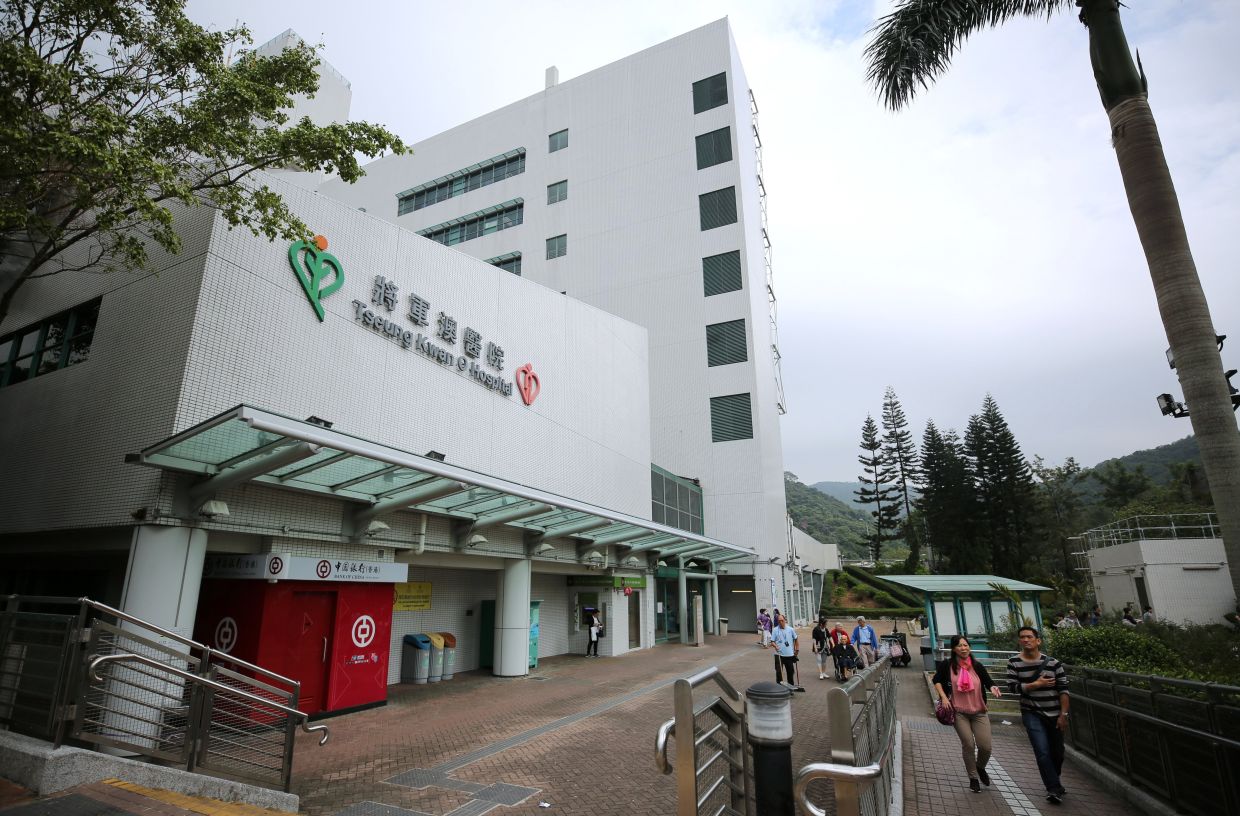
An internal investigation by Tseung Kwan O Hospital in Hong Kong has concluded that a surgeon's cognitive error—rather than lack of technical skill—caused him to perform surgery on the wrong organ, resulting in the death of an 85-year-old woman in March. The probe identified "confirmation bias" as the root cause, a psychological phenomenon where individuals seek evidence that confirms their initial assumptions while dismissing contradictory information. For medical professionals in operating theatres, such lapses can prove catastrophic, raising uncomfortable questions about how systems designed to prevent errors can still fail so dramatically.
The woman had arrived at the public hospital suffering from obstructive sigmoid colon cancer, a condition causing intestinal blockage that required urgent surgical intervention. The planned procedure was a transverse colostomy—a standard operation that creates a surgical opening, or stoma, in the abdominal wall to allow waste to bypass the blocked section of the colon. On the surface, this is a relatively routine intervention that surgeons perform regularly across the region. What should have been a straightforward procedure on February 7 became a cautionary tale about the dangers of institutional complacency and inadequate safety protocols.
Immediately after surgery, clinical staff noticed something troubling: the patient's stoma output was abnormally high. Rather than treating this warning sign as evidence that something had gone wrong, the medical team appears to have rationalised the anomaly. The patient's vital signs initially remained stable, which may have created a false sense of security. In hindsight, this unusual output should have triggered immediate reassessment. Yet it took until early March—nearly a month later—for the true nature of the catastrophe to emerge. Only when the patient developed severe complications including hypotension and tachycardia was she transferred back to Tseung Kwan O Hospital, where a CT scan finally revealed the devastating truth: the surgeon had created the stoma in the stomach, not the colon.
The implications of this error extended far beyond the initial surgery. By the time the mistake was discovered, the patient's condition had deteriorated irreversibly. She died on March 3, just days after the correct diagnosis was made, following a family decision to pursue a do-not-attempt-resuscitation order. The hospital later disclosed the incident only after media inquiries forced its hand, a detail that underscores how such mishaps might otherwise remain concealed within institutional hierarchies. The subsequent referral to the Coroner's Court and the hospital's launch of a formal investigation represented grudging acknowledgment of an institutional failure.
The investigation's findings painted a picture of systemic dysfunction rather than isolated human error. Beyond the surgeon's confirmation bias—whereby he apparently convinced himself he was operating on the correct anatomical structure—the hospital identified multiple compounding failures. The medical team monitoring the stoma failed to escalate the concerning signs of excessive output as a red flag requiring urgent intervention. Staff lacked sufficient experience in recognising abnormal post-operative presentations. Most critically, communication between the surgical team and the rehabilitation facility where the patient was initially transferred broke down entirely, preventing timely reassessment and allowing a correctable error to become fatal.
The findings have drawn sharp criticism from Michael Tien Puk-sun, a former Hong Kong lawmaker, who has called for the surgeon's dismissal or demotion. Tien's remarks highlight a broader frustration about accountability in healthcare systems. He noted that the surgeon in question has a history of previous errors, suggesting this was not an isolated lapse in an otherwise exemplary career. His comment that this represented "a rookie mistake" despite the surgeon's experience level points to deeper questions about whether the operating surgeon's qualifications and training were genuinely suited to the role. More provocatively, Tien invoked Hong Kong's international standing, warning that such incidents damage the territory's reputation as a regional medical hub at a time when patients increasingly shop across borders for healthcare.
Tseung Kwan O Hospital's response included both structural recommendations and organisational changes. The investigation panel urged the hospital to overhaul clinical governance within the surgery department, a euphemism for tightening oversight and decision-making processes. It recommended ensuring that surgical teams remain involved in patient care even after transfers to rehabilitation facilities, closing the communication gap that contributed to delayed diagnosis. The panel also called for stoma and wound care specialists to conduct formal post-operative assessments with proper documentation and timely escalation protocols.
The hospital has announced it has already begun implementing these recommendations, restructuring its surgery department under a "cluster-based governance model." While such bureaucratic reorganisation may sound reassuring, observers in the region are right to question whether structural reshuffling truly addresses the underlying culture of healthcare delivery. The hospital also indicated it would follow established human resources procedures with the doctors involved and might refer the matter to the Medical Council, language that leaves considerable ambiguity about whether genuine accountability will follow.
For Malaysian healthcare professionals and administrators, this case offers several lessons. First, confirmation bias is not unique to Hong Kong surgeons; it represents a universal cognitive vulnerability that affects practitioners everywhere. Second, post-operative monitoring protocols must empower nursing and junior staff to challenge unexpected findings rather than rationalise them away. Third, handover procedures between facilities are critical junctures where errors can be either caught or missed, depending on communication quality. Finally, institutional transparency and early disclosure of serious incidents serve the public interest better than the defensive silence that characterised the initial response. As healthcare systems across Southeast Asia continue to grow more complex and interconnected, learning from Hong Kong's experience becomes essential to protecting patient safety.

%22%2F%3E%3C%2Fpattern%3E%3C%2Fdefs%3E%3Crect%20width%3D%22100%25%22%20height%3D%22100%25%22%20fill%3D%22url(%23ph4hk2dg)%22%2F%3E%3Crect%20width%3D%22100%25%22%20height%3D%22100%25%22%20fill%3D%22url(%23ph4hk2dp)%22%2F%3E%3Ctext%20x%3D%2250%25%22%20y%3D%2250%25%22%20text-anchor%3D%22middle%22%20dominant-baseline%3D%22central%22%20fill%3D%22rgba(255%2C255%2C255%2C0.95)%22%20font-family%3D%22Georgia%2C%20'Times%20New%20Roman'%2C%20serif%22%20font-weight%3D%22700%22%20font-size%3D%22320%22%20letter-spacing%3D%22-0.02em%22%3EMOH%3C%2Ftext%3E%3C%2Fsvg%3E)