Hong Kong's independent committee probing last year's devastating Wang Fuk Court blaze has decided against seeking statutory commission status, a decision that has prompted alarm among survivors and observers about the investigation's investigative reach. The panel, chaired by Justice David Lok Kai-hong, resumed proceedings on Monday after a six-week hiatus, but will not request the city's chief executive to convert it into a statutory commission of inquiry despite the ongoing nature of its work.
The distinction between an independent committee and a statutory commission carries significant practical implications. While both bodies can investigate incidents, statutory commissions possess broader powers to compel testimony, subpoena documents, and enforce compliance with information requests. An independent committee, by contrast, operates with more limited authority and relies heavily on voluntary cooperation from witnesses and relevant organisations. For a complex incident like the Wang Fuk Court fire—which resulted in significant loss of life and raised serious questions about building safety and emergency response protocols—these limitations could prove consequential.
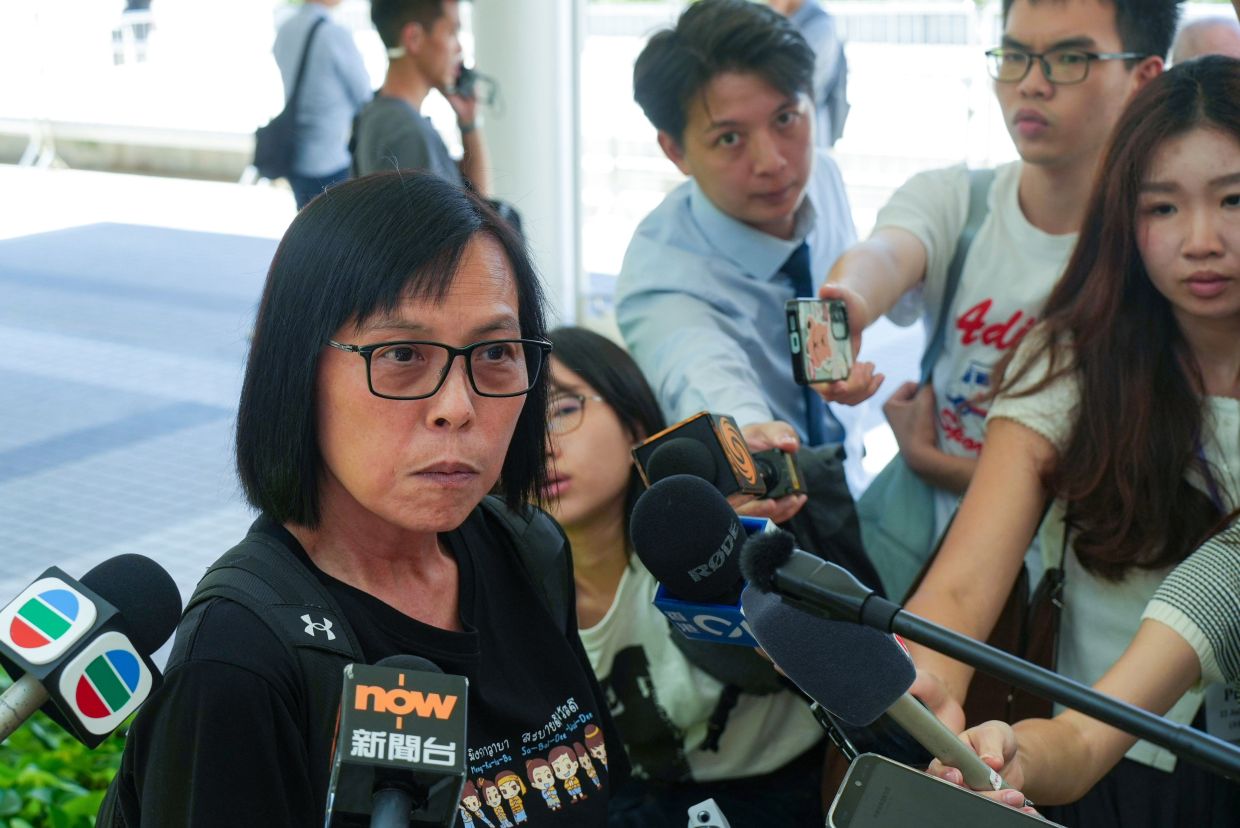
Survivors and their families have expressed concern that the committee's chosen structure may handicap its ability to fully examine all contributing factors to the fire. Without statutory powers, investigators cannot force reluctant witnesses to testify or compel government agencies and private entities to produce potentially sensitive internal communications, safety assessments, or decision-making records. The voluntary nature of participation means that some individuals or organisations might decline to cooperate fully, leaving evidentiary gaps that could compromise the investigation's comprehensiveness.
The Wang Fuk Court incident represents one of Hong Kong's most serious residential fires in recent memory, claiming multiple lives and leaving survivors with traumatic experiences and ongoing concerns about accountability. The fire raised critical questions about building maintenance standards, fire safety compliance, emergency evacuation procedures, and the adequacy of safety regulations for older residential complexes. Families of victims and survivors naturally seek a thorough, unobstructed investigation that can definitively establish what went wrong and identify systemic failures that might be addressed through legislative or regulatory reform.
Justice Lok's decision to maintain the committee's non-statutory status reflects practical and procedural considerations. Converting to a statutory commission requires formal governmental action and potentially legislative involvement, which could delay the investigation further or introduce political dimensions to what the government prefers to frame as an independent technical inquiry. The current arrangement allows the committee greater operational flexibility and may be viewed as less politically contentious, though this efficiency gain comes at the expense of investigative power.
Regional observers note that Hong Kong's approach contrasts with how other jurisdictions handle major incident investigations. Singapore, for instance, has established statutory commissions of inquiry for significant public incidents, explicitly granting these bodies enhanced powers precisely because policymakers recognised that thorough investigations require authority to compel evidence. Malaysia's approach to serious incident investigations similarly often involves statutory frameworks that provide investigators with enforceable powers. Hong Kong's preference for non-statutory committees may reflect distinct governance traditions, but it raises questions about whether those traditions adequately serve contemporary transparency and accountability expectations.
The investigation's resumption comes after extended delays that have already frustrated survivors awaiting answers. The six-week pause, while ostensibly procedural, highlighted how independent committees can face scheduling and coordination challenges that statutory bodies might navigate more efficiently through their formal authority structures. Each prolonged break extends the investigative timeline and potentially risks fading institutional memory among witnesses whose recollections become less precise with the passage of time.
For Southeast Asian readers following this development, Hong Kong's experience offers instructive lessons about institutional design and investigation quality. As the region experiences its own urban development challenges and increased residential density, the question of how to effectively investigate building-related incidents becomes increasingly relevant. Malaysia, Singapore, and other countries in the region must consider whether their current investigative frameworks for major incidents contain sufficient statutory authority to compel full disclosure and testimony when public safety issues demand comprehensive accountability.
The committee's decision also reflects broader tensions in Hong Kong's governance environment. Civil society groups have increasingly advocated for more robust accountability mechanisms and transparency in government investigations. The choice to decline statutory status may be perceived as prioritising governmental convenience over investigative comprehensiveness, potentially reinforcing perceptions that official inquiries lack sufficient independence or power to challenge established narratives or institutional interests.
Survivors have begun organising to advocate for enhanced investigative scope and have indicated willingness to present evidence directly to the committee. However, voluntary participation, while potentially productive, cannot replicate the enforceable mechanisms that statutory authority provides. Without the power to compel testimony or sanction non-cooperation, investigators remain dependent on goodwill cooperation, which may prove uneven across different parties with varying incentives regarding what information emerges.
Looking forward, the committee's proceedings will test whether non-statutory status proves sufficient for establishing a credible, comprehensive account of the fire's causes and contributing factors. The investigation's outcome will likely influence how Hong Kong and other regional jurisdictions approach similar major incident inquiries. If survivors and the public perceive significant gaps or unanswered questions attributable to the committee's limited statutory powers, pressure for reformed investigation frameworks may intensify across the region.