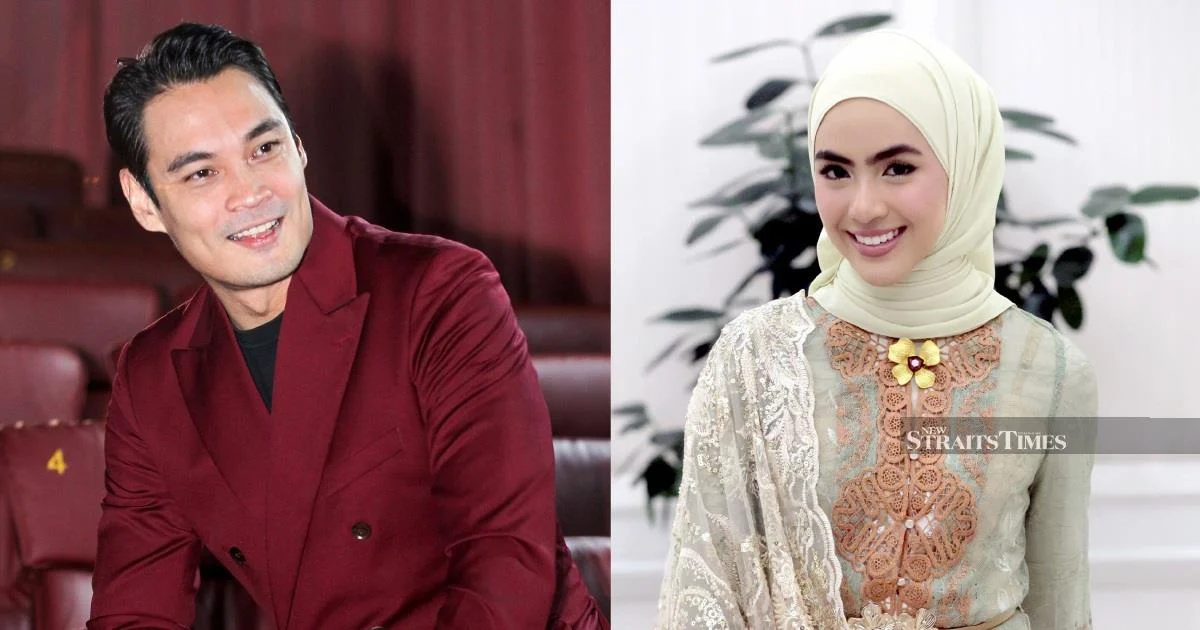
Malaysian actor Hisyam Hamid has moved to firmly rebut unsubstantiated claims that have recently circulated across social media, specifically denying allegations that he visited the residence of fellow actress Erysha Emyra. The rumour gained traction on the Threads platform, spreading across the digital landscape with considerable speed, prompting the actor to publicly address what he characterizes as baseless gossip lacking any factual foundation.
The emergence of such rumours reflects a broader pattern within Malaysia's entertainment ecosystem, where social media platforms have become primary channels for celebrity gossip and speculation. Threads, Meta's text-based alternative to X, has proven particularly susceptible to rapid dissemination of unverified claims, with entertainment-focused discussions frequently trending without proper fact-checking mechanisms in place. For established figures in the industry, this digital terrain presents persistent challenges in maintaining reputational control, as viral narratives can spread exponentially before verification occurs.
Hisyam Hamid's decision to publicly address the allegations underscores the tangible impact such rumours carry within Malaysia's competitive entertainment sector. The actor's swift and direct rebuttal indicates his commitment to safeguarding his professional standing and public image, both critical assets for continued career viability. The timing and nature of such allegations suggest a pattern that observers of Malaysian showbiz have noted with increasing frequency—the targeting of prominent personalities with unverified claims designed to generate online engagement.
The spread of unverified celebrity gossip through social media channels has become a significant concern for Malaysian public figures and industry stakeholders alike. Unlike traditional media outlets bound by journalistic standards and legal accountability, social platforms enable users to propagate claims without editorial oversight or consequence. This democratization of information distribution, while theoretically empowering, has simultaneously created environments where rumour and innuendo flourish unchecked, often damaging reputations based purely on speculation rather than evidence.
For Malaysian audiences, the proliferation of such content raises important questions about media literacy and the responsibility of users engaging with unverified claims. The tendency to share, amplify, and validate gossip through likes and reposts creates algorithmic incentives that reward sensational content regardless of accuracy. Hisyam Hamid's public statement serves as a reminder of the real consequences these digital spaces generate for actual individuals whose careers and relationships become subject matter for online speculation and entertainment.
The involvement of a fellow actress in the rumour adds another dimension to understanding its likely origin and spread patterns. Whether the claim emerged from deliberate misinformation efforts, casual speculation that snowballed, or misinterpretation of innocent professional interaction remains unclear. What is evident is that Malaysian entertainment figures increasingly must prepare for their private lives to become public discourse fodder, particularly when any social interaction with colleagues becomes potential material for gossip narratives.
Industry observers have noted that such allegations, regardless of their veracity, can affect professional relationships and future collaboration prospects. The entertainment industry operates on reputation and public perception, making even completely false rumours potentially harmful to career trajectories. This environment has prompted some Malaysian celebrities to adopt more cautious public personas and limit their social interactions with colleagues, effectively surrendering aspects of their professional freedom to counter potential rumour-mongering.
Hisyam Hamid's frustration is understandable within this context. His disappointment reflects not merely personal annoyance but a broader exasperation with the mechanisms through which modern celebrity culture operates in Malaysia. The actor's statement demands accountability from those spreading unverified claims, though enforcement mechanisms remain limited in the absence of defamatory intent sufficient for legal action.
Moving forward, the incident highlights the need for more robust digital literacy campaigns and responsible content-sharing practices among Malaysian social media users. Entertainment industry bodies and platforms themselves bear responsibility for creating environments where misinformation carries consequences and verification becomes standard practice rather than exception. For now, figures like Hisyam Hamid must continue addressing unfounded rumours reactively, expending time and effort to counter narratives that perhaps should never have gained traction in the first place.