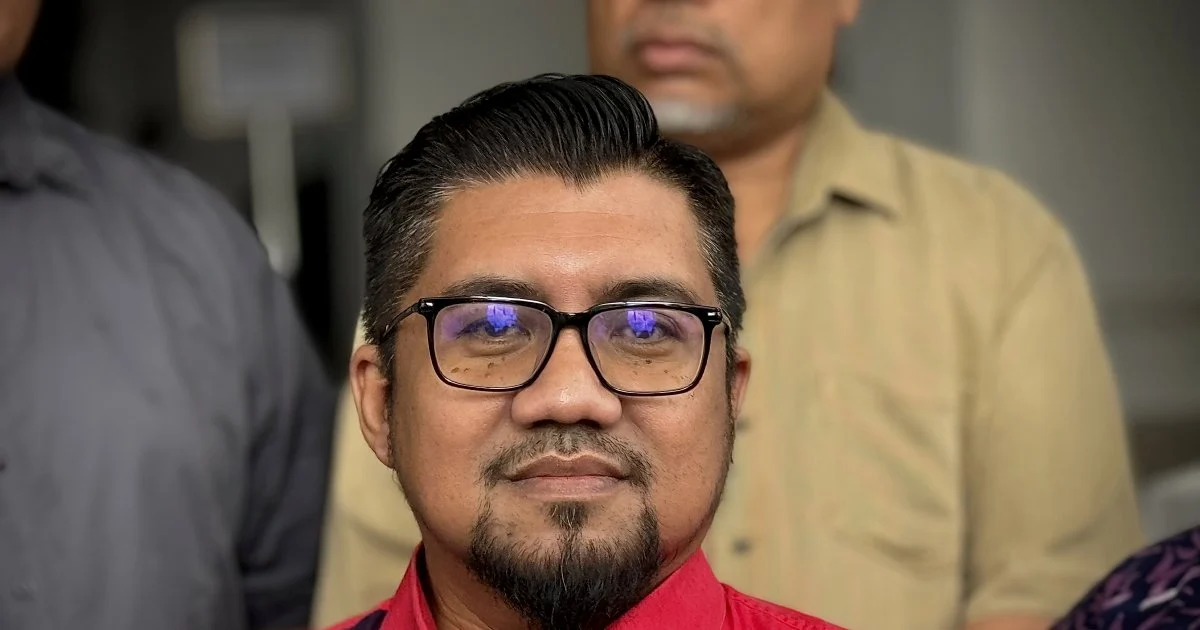
A High Court decision in Kuala Lumpur has dramatically altered the course of proceedings against prominent political activist Badrul Hisham Shaharin, commonly known as Che'gu Bard, after the court reversed an earlier acquittal and directed him to mount a full defence against charges of defaming His Majesty Sultan Ibrahim, the King of Malaysia. The reversal represents a significant development in a case that has drawn considerable attention within activist circles and civil liberties communities, centring on controversial public statements the activist made regarding an alleged meeting involving senior political figures.
The original acquittal, which had been delivered at a lower court level, appeared to have concluded the matter in favour of the defendant. However, the High Court's intervention through this reversal means the case will now proceed to the defence stage, where Badrul Hisham must present his arguments and evidence to counter the defamation allegations. This procedural development underscores the complexity and contested nature of defamation cases involving public figures, particularly when questions of royal dignity intersect with questions of political discourse and the boundaries of free speech.
At the heart of the dispute lies a statement or series of statements that Badrul Hisham made approximately two years before the current court proceedings. According to the charge, these statements concerned what he characterised as an audience or meeting between himself and various political leaders and potentially members of the royal establishment. The specifics of what was claimed during this purported audience, and what he subsequently stated about it in public, form the crux of the defamation complaint.
Defamation cases involving members of the royal family in Malaysia operate within a particularly sensitive legal and cultural framework. The monarchy holds deep constitutional significance within the Malaysian system of government, and laws protecting royal dignity carry substantial penalties. Courts have historically taken such cases with considerable gravity, and the threshold for mounting a successful defence can be considerably higher than in defamation cases involving ordinary public figures. This context makes the High Court's decision to order the defendant to enter his defence a crucial juncture, as it signals the court's preliminary assessment that the case merits full examination rather than dismissal.
For Badrul Hisham, who has established himself as a vocal commentator on Malaysian politics and governance issues, this development presents both legal and reputational challenges. Activist figures in Malaysia operate within constraints shaped by various laws, including sedition legislation, defamation statutes, and provisions protecting royal institutions. The outcome of this case may have implications for how political activists navigate commentary on the monarchy and high-level political interactions, particularly regarding claims about private audiences or meetings with state figures.
The reversal of the lower court's acquittal also raises questions about the appellate process and the interpretation of evidence in defamation cases. The High Court's decision to overturn the acquittal suggests the appellate judges reached a different conclusion about either the sufficiency of evidence or the legal principles applicable to the case. This disagreement between judicial levels highlights the interpretative challenges that arise when balancing protections for royal dignity against principles of free expression and the right to political commentary.
From a broader perspective, the case reflects ongoing tensions within Malaysian society regarding the scope of permissible political discourse. Over recent years, Malaysia has witnessed increased activism and critical commentary on governance matters, yet legal mechanisms designed to protect institutions remain robust and actively employed. How courts navigate cases where political speech intersects with laws protecting the monarchy has significant implications for the landscape of public debate and civic participation.
The next phase will see Badrul Hisham present his defence before the court. This stage typically involves the defendant presenting evidence, testimony, and legal arguments to rebut the defamation claim. In defamation cases, defendants may argue that statements were substantially true, constitute fair comment on matters of public interest, or fall within other recognised legal defences. The strength of whatever defence the activist can mount will significantly influence the ultimate outcome.
The case also carries implications for media and civil society organisations in Malaysia that engage with political commentary and investigative reporting. Decisions in high-profile defamation cases, particularly those involving royal figures, often influence editorial decision-making and the risk calculus for publishing critical commentary. Media lawyers and advocacy groups will likely monitor this case closely, as its outcome may establish or clarify precedents affecting their work.
Legal experts and observers of Malaysia's judicial system have noted that defamation cases involving public figures and institutions have become increasingly complex, particularly as society grapples with questions about free expression, institutional accountability, and the balance between protecting reputational interests and enabling legitimate public discourse. The High Court's decision to order Badrul Hisham to enter his defence ensures that these questions will receive thorough examination throughout the remainder of the proceedings.
The case underscores the multifaceted challenges facing political activists and commentators in Malaysia, who must exercise their right to free expression within a legal framework that includes several protective statutes. As the case progresses to the defence stage, it will likely continue to attract attention from civil liberties advocates, legal scholars, and those interested in how Malaysian courts approach the intersection of royal protection laws and democratic discourse.